Category: Healthy & Safety

Your child’s health and safety is every parent’s top priority. From common illnesses to baby-proofing tips, find everything you need to keep them safe and well.

  • Postpartum Care Guide: Simple Tips for New Mothers’ Recovery & Well-being

    Postpartum Care Guide: Simple Tips for New Mothers’ Recovery & Well-being

    Bringing a baby home is a joyful milestone, but the ‘fourth trimester’ is also a period of intense physical and emotional change. While your focus is on your newborn, your body needs a structured plan to heal, rest, and replenish its energy. Recovery is a journey that shouldn’t be rushed.

    This guide provides simple, actionable tips to help you navigate postpartum life. From physical healing and nutrition to mental wellness, we’ll cover how to support your recovery so you can feel your best while caring for your new arrival.

    How Long Does Postpartum Recovery Typically Take?

    Full recovery is a marathon, not a sprint. While the initial healing phase occurs in the first 24 hours, most women need at least 6 weeks for their uterus to return to its pre-pregnancy size and for surgical incisions or vaginal tears to heal. Some mothers may require 8–10 weeks or longer, especially after a C-section or a difficult birth.

    What to Expect During Postpartum Physical Recovery

    Physical healing varies depending on your delivery method, but the goal remains the same: managing inflammation and supporting tissue repair.

    • Vaginal Delivery Healing: Use a peri-bottle with lukewarm water after every bathroom visit to prevent infection. Incorporate witch hazel pads and “padsicles” (chilled sanitary pads) to reduce perineal swelling.
    • C-Section Incision Care: Keep the incision site dry and clean. Avoid lifting anything heavier than your baby for the first 4–6 weeks to prevent dehiscence (opening of the wound).
    • Managing Afterpains: Your uterus continues to contract to its pre-pregnancy size. These “afterpains” are often stronger during breastfeeding; heat packs and ibuprofen (if cleared by your doctor) are effective remedies.

    How to Balance Postpartum Nutrition for Healing and Energy

    Your body is in a high-metabolic state of repair. Whether you are breastfeeding or formula feeding, nutrition is the fuel for your recovery.

    • Focus on Protein and Iron: Lean meats, eggs, beans, and leafy greens assist in rebuilding tissues and replenishing blood lost during delivery.
    • Hydration for Recovery: Aim for 8–10 glasses of water daily. Hydration is essential for preventing postpartum constipation and maintaining milk supply.
    • Anti-Inflammatory Foods: Incorporate “warm” foods like bone broths, stews, and ginger-infused teas, which are easier on the digestive system and promote internal healing.

    Postpartum Mental Health: Baby Blues vs. Postpartum Depression

    Hormonal shifts occur rapidly after birth. Understanding the difference between temporary mood swings and clinical conditions is vital.

    • The Baby Blues: Affecting up to 80% of mothers, this typically involves irritability and crying spells that resolve within two weeks.
    • Postpartum Depression (PPD) and Anxiety: If feelings of hopelessness, severe anxiety, or a lack of interest in the baby persist beyond two weeks, professional intervention is necessary.
    • Support Systems: Early screening and therapy are highly effective. There is no shame in seeking help; it is a medical necessity, not a personal failing.

    When Can You Safely Start Postpartum Exercise?

    While ‘six weeks’ is the standard clinical milestone, movement should be a gradual progression rather than a sudden start.

    • Early Movement (Weeks 1-3): Focus on diaphragmatic breathing and gentle walking around the house to promote circulation and prevent blood clots.
    • Pelvic Floor Health: Avoid high-impact exercises (running, jumping) until you have been cleared. Heaviness in the pelvic region is a sign to scale back.
    • Core Connection: Work on gentle transverse abdominal engagement rather than traditional crunches, which can worsen conditions like Diastasis Recti (abdominal separation).

    What Are the Most Important Postpartum Warning Signs?

    Knowing when to seek medical attention is the most critical part of postpartum safety. Contact a healthcare provider immediately if you experience:

    • Heavy Bleeding: Soaking through a menstrual pad in less than one hour.
    • Postpartum Preeclampsia: Severe headaches, vision changes, or sudden swelling in the hands and face.
    • Infection Signs: A fever over 100.4°F (38°C) or foul-smelling discharge.
    • Blood Clot Indicators: Persistent pain, redness, or swelling in a single leg (symptoms of Deep Vein Thrombosis).

    Effective Tips for Getting More Sleep as a New Mother

    Sleep deprivation is the primary driver of postpartum fatigue and mood disorders. While sleeping when the baby sleeps is common advice, these practical strategies are more sustainable:

    • The 4-Hour Shift: Aim for at least one four-hour block of uninterrupted sleep. This can be achieved by having a partner or support person handle one bottle feed or diaper change cycle.
    • Limit Blue Light: Avoid scrolling on your phone during late-night feeds. Blue light disrupts melatonin production, making it harder for you to fall back asleep once the baby is settled.
    • Delegate Non-Essential Tasks: Your priority is rest and recovery. Delegate laundry, cleaning, and meal prep to friends, family, or hired help.

    The postpartum period is a marathon of healing. By focusing on nutrition, monitoring physical red flags, and prioritizing mental health, you set a strong foundation for motherhood. Remember: taking care of yourself is the most important part of taking care of your baby. 

    Frequently Asked Questions

    How long does the postpartum recovery process actually take?
    While the ‘initial’ recovery phase is the first 6 weeks, full healing including hormonal stabilization and muscle restoration can take 6 months to a year. Your body spent nine months growing a human; be patient as it recalibrates.

    2. When is it safe to exercise again?
    Wait for your 6-week checkup before resuming high-impact workouts or heavy lifting. You can usually start gentle walking and pelvic floor exercises (Kegels) within the first week if you have no complications.

    3. Is it ‘Baby Blues’ or Postpartum Depression?
    The ‘Baby Blues’ usually fade within 14 days. If feelings of sadness, anxiety, or a lack of interest in the baby last longer than two weeks, it may be Postpartum Depression (PPD). Seek professional support early it is highly treatable.

    4. Do I need extra calories while recovering?
    If breastfeeding, aim for an extra 450–500 calories daily. Regardless of feeding choice, prioritize protein for tissue repair and drink 8–10 glasses of water to prevent fatigue and constipation.
  • Baby Heat Rash: How to Prevent, Treat & Protect Your Baby’s Skin This Summer

    Baby Heat Rash: How to Prevent, Treat & Protect Your Baby’s Skin This Summer

    With the rising temperatures and humidity, summers can be tough on a baby’s delicate skin.  It’s common for them to develop heat rashes, redness or irritation especially in the areas like neck, back and folds of the skin. The tricky part? Babies can’t tell you what’s bothering them. What may look like a small rash can quickly turn into discomfort, making them fussy and restless. The good news is that most heat-related skin issues are preventable with a few simple changes in daily care. 

    From choosing the right clothes to keeping your baby cool and dry, small steps can make a big difference. In this guide, we’ll walk you through what causes heat rashes, how to prevent them, and what actually works to keep your baby comfortable all summer long.

    What Causes Heat Rashes in Babies?

    Heat rash, also known as prickly heat, happens when sweat gets trapped under the skin. Since a baby’s sweat glands are still developing, they can get blocked more easily leading to tiny red bumps, irritation, and itching. There can be common triggers causing summer heat rash in babies.

    • Excessive sweating: Hot weather or overdressing can cause babies to sweat more than usual.
    • Tight or non-breathable clothing: Synthetic fabrics trap heat and moisture.
    • Skin folds trapping moisture: Neck, thighs, and underarms are most prone.
    • Limited airflow: Poor ventilation worsens sweating and irritation.

    Baby skin rashes can usually look like small red of pink bumps with mild swelling or irritation. These are quite common on neck, chest, back and diaper area. Baby diaper rash or heat rash is common in summer as babies cannot regulate body temperature efficiently, making them more sensitive to heat and humidity.

    Choosing the Right Skincare for Summer

    Your baby’s skincare routine should adapt with the season. Summer calls for lighter, breathable, and non-irritating products. Here are some things you need to look for while buying the skincare for your babies in summer.

    • Water-based formulations that don’t clog pores
    • Fragrance-free products to avoid irritation
    • Dermatologically tested for sensitive skin
    • Non-comedogenic creams that allow skin to breathe

    Few things to avoid:

    • Heavy oils and thick creams
    • Products with alcohol or artificial fragrances
    • Over-layering multiple products

    Products That Help Soothe Baby Heat Rashes

    When baby skin rash appears, focus on cooling, calming, and protecting the skin barrier. Few effective options include:

    • Calamine-based lotions: Help reduce redness and itching
    • Aloe vera gels (baby-safe): Provide instant cooling
    • Lightweight baby powders: Absorb excess moisture (use sparingly)
    • Zinc oxide creams: Create a protective barrier

    Lukewarm baths and soft cotton cloth compress are natural remedies that usually help. Avoid experimenting with too many home remedies, especially on sensitive skin.

    Best Fabrics for Summer

    Light, breathable fabrics can make a big difference in keeping your baby comfortable during summer. The right material helps absorb sweat, improves airflow, and reduces the chances of heat rashes.

    Ideal fabrics:

    • Cotton: Breathable, soft, and absorbs sweat
    • Muslin: Lightweight and airy
    • Bamboo fabric: Naturally cooling and gentle

    What to avoid:

    • Polyester and synthetic blends
    • Tight-fitting clothes
    • Layering unnecessarily

    Simple Tips to Prevent Heat Rashes

    Prevention is always easier than treatment. A few small changes in your baby’s daily routine can go a long way in keeping their skin cool, dry, and irritation-free.

    Keep your baby cool: Make sure your baby stays in a well-ventilated environment throughout the day. Use fans or air conditioning to maintain a comfortable temperature, especially during peak summer afternoons. Try to avoid stepping out between 11 AM and 4 PM when the heat is at its strongest.

    Maintain good hygiene: Daily lukewarm baths help remove sweat, dirt, and bacteria that can clog pores. After bathing, gently pat your baby’s skin dry instead of rubbing it, paying extra attention to areas like the neck, underarms, and skin folds where moisture tends to collect.

    Keep the skin dry: Damp skin can quickly lead to irritation. Change your baby’s clothes frequently if they get sweaty, and ensure the diaper area is kept clean and dry. Using lightweight, breathable diapers and giving some diaper-free time can also help prevent rashes.

    Ensure proper hydration: Keeping your baby well-hydrated helps regulate body temperature. For younger babies, regular breastfeeding or formula feeding is usually enough. Older babies can be given small sips of water (as recommended by your pediatrician) to stay cool and comfortable.

    Limit direct sun exposure: Try to keep your baby in shaded or covered areas when outdoors. Use caps, lightweight covers, or stroller shades to protect them from harsh sunlight. Even short periods of direct exposure can make babies uncomfortable in hot weather.

    Use gentle sun protection when needed: For babies older than 6 months, applying a gentle, mineral-based sunscreen on exposed areas like the face, arms, and legs can help protect their sensitive skin. Look for ingredients like zinc oxide or titanium dioxide, which form a protective barrier without causing irritation.

    Keeping your baby’s skin healthy during summer comes down to simple, consistent care. By choosing breathable clothing, maintaining good hygiene, and using gentle, baby-safe products, you can effectively prevent heat rashes and irritation. Stay mindful of your baby’s comfort, and with a few small steps, you can ensure they stay cool, happy, and rash-free all season.

    Frequently Asked Questions

    1. How to reduce heat rash in babies?

    Keep your baby cool, dry, and dressed in breathable fabrics. Use lightweight soothing products like calamine lotion if needed.

    2. What helps heat rash quickly?

    Cooling the skin is key. Lukewarm baths, loose clothing, and applying soothing lotions can provide quick relief.

    3. Is coconut oil good for baby heat rash?

    Not always. While it’s natural, coconut oil can be heavy and may trap heat. It’s better to use lightweight, non-comedogenic products.

    4. What kind of clothing should prevent heat rash?

    Loose-fitting, breathable fabrics like cotton and muslin are ideal. Avoid synthetic materials and tight clothing.

    Summer doesn’t have to mean constant discomfort for your baby. With the right mix of breathable clothing, minimal skincare, and a cool environment, most heat rashes can be prevented entirely.

    The key is to stay simple, stay observant, and respond early. Small changes in daily routines can go a long way in keeping your baby happy, comfortable, and rash-free all summer long.

    Explore everything you need for your baby’s summer care on the Ozi app—delivered right when you need it.

  • Baby Swaddling in Summer:Dos, Don’ts & Safety Tips

    Baby Swaddling in Summer:Dos, Don’ts & Safety Tips

    Swadding, often recommended as one of the best ways to calm a newborn and improve their sleep quality, but when summer arrives, many parents start to question it. Is baby swaddling in summer safe for babies, or can it lead to overheating?

    And the concern is completely valid. Newborns are more sensitive to temperature changes and cannot regulate heat as effectively as adults. In warmer weather, the risk of overheating makes many parents unsure about whether they should continue swaddling their baby.

    The good news is that swaddling can still be safe during warmer months, as long as it is done correctly. Understanding when to swaddle, what materials to use and how to avoid overheating makes all the difference.

    This blog answers all the questions around swaddling. Is it safe in summer, the benefits, risks and practical tips. Keep reading to know all about it. But before we begin finding out if it’s good for summer or not. Let’s understand what swaddling actually is. 

    H2: What is Swaddling and Why You Should Do it? 

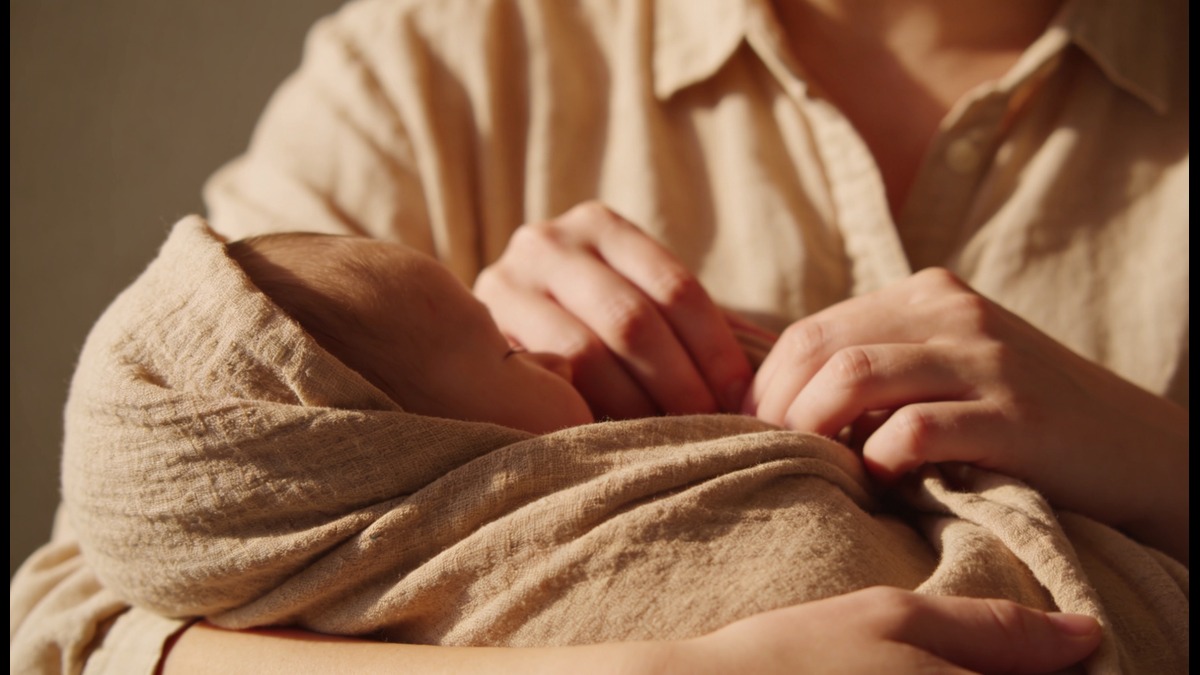
    Swaddling is the practice of wrapping a newborn snugly in a soft cloth or blanket to recreate the secure feeling of the womb. For babies who are adjusting to a completely new environment, this sense of comfort can make a significant difference in their sleep and overall mood.

    Newborns are born with a natural startle reflex (also known as the Moro reflex), which can wake them up suddenly. Swaddling helps reduce these involuntary movements, allowing babies to sleep more peacefully and for longer durations.

    Apart from improving sleep, swaddling also:

    • Provides a sense of safety and comfort
    • Reduces fussiness and crying
    • Helps babies settle faster
    • Supports better sleep routines for parents

    For new parents navigating the early days, swaddling can be one of the simplest yet most effective techniques to soothe a newborn.

    H2: Different Types of Swaddling 

    There isn’t just one way to swaddle a baby. Depending on your baby’s comfort and the weather, you can choose from different styles:

    1. Traditional Swaddle
    This involves wrapping your baby snugly with a cloth blanket, securing the arms while allowing slight leg movement. It’s the most common method.

    2. Arms-Up Swaddle
    Some babies prefer having their hands near their face. This style allows natural movement while still offering comfort.

    3. Sleep Sacks or Swaddle Bags
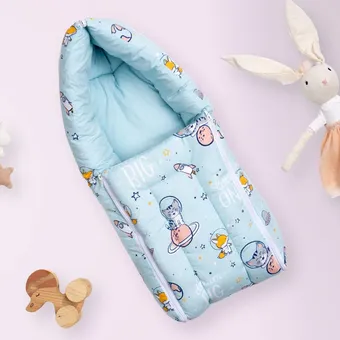
    These are wearable blankets designed for convenience. They are especially useful for parents who want an easy and consistent swaddling method.

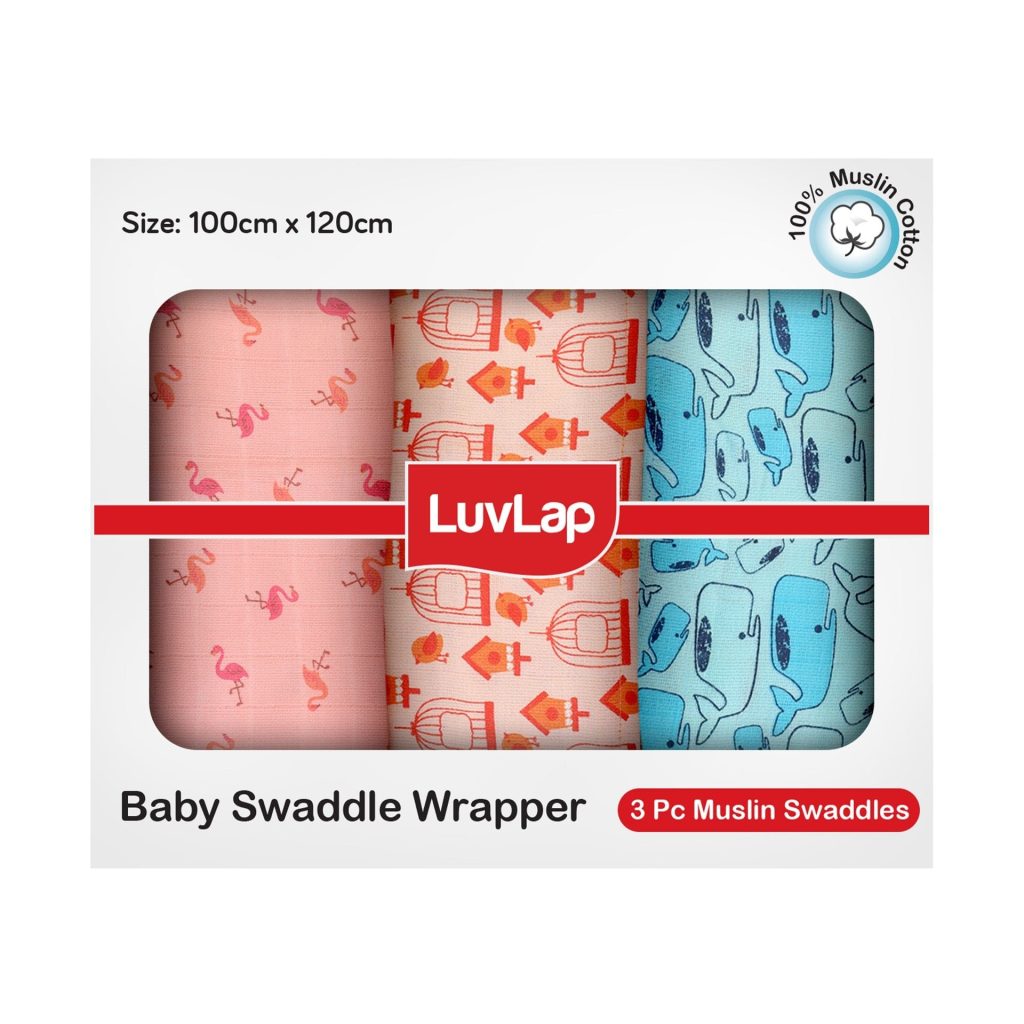
    4. Lightweight Muslin Swaddle
    Perfect for warmer weather, muslin swaddles are breathable and reduce the risk of overheating.

    Choosing the right type depends on your baby’s preference and the surrounding temperature, especially important during summer.

    H2: Is Swaddling Safe in Summer?

    Swaddling in summer is safe,  but only when done carefully. The biggest concern during hot weather is overheating. Babies cannot regulate their body temperature as effectively as adults, which makes them more vulnerable to heat.

    However, swaddling doesn’t need to be avoided entirely in summer. With the right approach such as using breathable fabrics, dressing your baby lightly, and maintaining a comfortable room temperature it can still be a safe and soothing practice.

    The key is balance; comfort without trapping heat.

    H2: Benefits of Swaddling in Summer 

    1. Promotes Better Sleep: Swaddling mimics the snug feeling of the womb, helping babies sleep more soundly even in warmer months when minor discomforts can disrupt rest.

    2. Reduces the Startle Reflex: Babies have a natural Moro (startle) reflex that can wake them suddenly. Swaddling suppresses this, allowing longer, uninterrupted sleep regardless of the season.

    3. Soothes Fussiness & Colic: The gentle pressure of a swaddle can calm an overstimulated or colicky baby, which is especially helpful in summer when heat and new environments may increase irritability.

    4. Regulating Comfort: (Not Just Temperature) Using a lightweight, breathable fabric like muslin or bamboo allows swaddling in summer without overheating, while still providing the emotional security and comfort babies need.

    5. Supports Safe Sleep: Positioning Swaddling keeps a baby’s arms tucked safely, reducing the chance of rolling or repositioning during sleep — an important safety benefit that applies year-round.

    Summer Tip: Always use thin, breathable fabrics, keep the room at 24–26°C, and ensure the baby’s head remains uncovered to prevent overheating.

    H2: How to Swaddle a Baby in Summer (Step-by-Step)

    Learning how to swaddle a newborn correctly is especially important during summer to avoid overheating. Follow these simple steps:

    Step 1: Choose the Right Fabric:  Use a lightweight, breathable cloth like cotton or muslin.

    Step 2: Lay the Swaddle Flat: Spread the cloth in a diamond shape and fold the top corner down slightly.

    Step 3: Position Your Baby: Place your baby on their back with shoulders just below the folded edge.

    Step 4: Wrap One Side: Gently bring one side of the cloth across your baby’s body and tuck it under.

    Step 5: Fold the Bottom Loosely: Bring the bottom up but ensure there is enough room for leg movement.

    Step 6: Wrap the Other Side: Wrap the remaining side across and tuck it securely.

    Important Tip: Keep the swaddle snug around the arms but loose around the hips to allow natural movement and airflow.

    H2: Do’s & Don’ts for Swaddling in Summer 

    Do’s

    1. Use Lightweight, Breathable Fabric Opt for muslin, cotton, or bamboo wraps that allow airflow and prevent heat build-up around the baby.

    2. Keep the Room Cool Maintain room temperature between 24–26°C and use a fan or air conditioning to ensure a comfortable sleep environment.

    3. Dress Baby Minimally Underneath A light onesie or just a diaper under the swaddle is enough. Avoid layering heavy clothing beneath the wrap.

    4. Check for Overheating Regularly Feel the baby’s neck or chest (not hands/feet) to gauge body temperature. Warm, sweaty skin or flushed cheeks are warning signs.

    5. Swaddle Snugly but Not Too Tight Wrap firmly enough to feel secure, but ensure there’s room for the hips and legs to move freely to prevent hip dysplasia.

    6. Always Place Baby on Their Back: Swaddled babies should always be laid on their back to reduce the risk of SIDS.

    Don’ts

    1. Don’t Use Thick or Fleece Blankets Heavy fabrics trap heat and significantly raise the risk of overheating in summer.

    2. Don’t Cover the Baby’s Head The head is a key area for heat release — always keep it uncovered while swaddling.

    3. Don’t Swaddle Once Baby Can Roll Over As soon as a baby shows signs of rolling (usually around 2–3 months), swaddling becomes a safety risk.

    4. Don’t Swaddle Too Loosely A loose swaddle can unravel and become a suffocation hazard during sleep.

    5. Don’t Ignore Signs of Discomfort Excessive crying, rapid breathing, or a very red face may signal the baby is too hot unwrap immediately and cool them down.

    6. Don’t Swaddle for Extended Periods During the Day Give the baby regular breaks from swaddling during daytime to allow free movement and natural development.

    H2: Tips to Swaddle Your Baby in Summer 

    To make swaddling safer and more comfortable during warmer months, keep these practical tips in mind:

    1. Choose the Right Time to Swaddle
    Swaddle your baby mainly during sleep rather than throughout the day.

    2. Use Minimal Layers
    If the weather is very hot, you can skip inner clothing and use just a light swaddle.

    3. Keep the Sleeping Area Cool
    Ensure proper ventilation and avoid direct sunlight in the baby’s room.

    4. Watch for Baby’s Signals
    Every baby is different if your baby seems uncomfortable, adjust accordingly.

    5. Consider Alternatives When Needed
    If temperatures are extremely high, opt for lightweight sleep sacks or breathable babywear instead of traditional swaddling.

    6. Stay Flexible
    Swaddling isn’t mandatory. If your baby sleeps comfortably without it during summer, that’s completely fine.

    Frequently Asked Questions

    1. How to swaddle babies in summer?

    Use a single layer of lightweight muslin fabric and keep the legs loose. Always ensure the neck and face are uncovered and check the back of the neck for overheating.

    1. Which fabric is best for swaddling in summer?

    Muslin cotton is the best choice, breathable, lightweight, and gentle on baby’s skin. Bamboo fabric is a good alternative for babies with sensitive skin. 

    1. When should I stop swaddling my baby?

    Stop swaddling as soon as your baby shows signs of rolling over, typically between 2 and 4 months. Continuing after this point is a safety risk.

    1. Can I use a fan or air conditioner in my baby’s room?

    Yes, both are safe as long as the airflow is not directed at your baby. Keep the room temperature between 24–26°C and dress your baby in a single light layer.

    1. What are some easy swaddling techniques for summer?

    The diamond swaddle and arms-out swaddle are the easiest for summer,  both use minimal fabric and keep your baby cool. The arms-out technique works especially well once your baby starts rolling.