Category: New Borns

The first 3 months are magical and overwhelming,  often both at once. Find trusted guidance on feeding, sleep, and caring for your newborn with confidence.

  • The Ultimate Newborn Essentials Checklist for First-Time Parents

    The Ultimate Newborn Essentials Checklist for First-Time Parents

    Preparing for a newborn can feel exciting, overwhelming, and sometimes downright confusing, especially for first-time parents. With endless baby product recommendations online, it’s easy to wonder: What do you actually need for a newborn?

    The truth is, babies need surprisingly simple things in the beginning: comfort, feeding, sleep, hygiene, and lots of care. Instead of buying everything at once, having a practical newborn essentials checklist can help you focus on what truly matters.

    This guide covers all the things you need for a newborn, organized into easy categories to simplify shopping and preparation. We’ll also explain how your baby’s needs evolve during rapid developmental phases in the first six months so you can plan smarter instead of overbuying.

    Why You Need a Newborn Essentials Checklist

    Newborns grow quickly, and their needs change fast. The goal isn’t to buy everything, it’s to buy the right things. A well-planned newborn essentials list helps parents:

    • Avoid unnecessary purchases
    • Stay organized before delivery
    • Prepare for feeding, diapering, sleep, and hygiene
    • Save money by buying only what’s useful
    • Feel more confident during the first few weeks

    The Ultimate Newborn Essentials Checklist

    From feeding to diaper and clothing essentials this list covers everything you might need as a first time parent. Here’s a complete baby checklist for first-time parents.

    1. Feeding Essentials

    Whether breastfeeding, formula feeding, or doing both, feeding supplies quickly become everyday necessities.

    Must-Have Feeding Essentials

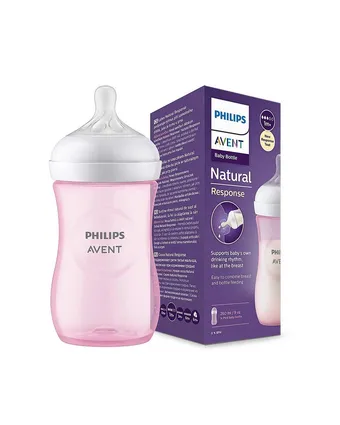
    • Baby bottles (4–6 to start)
    • Bottle cleaning brush
    • Sterilizer or sterilizing solution
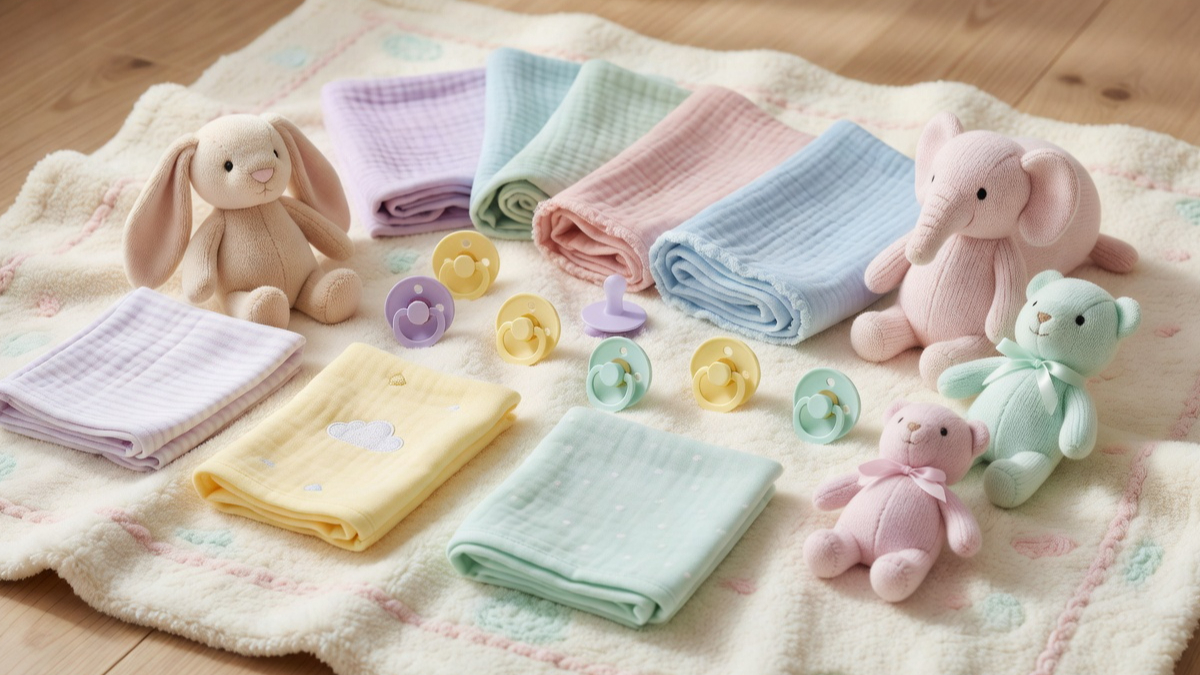
    • Burp cloths
    • Bibs
    • Nursing pillow (if breastfeeding)
    • Breast pump (optional)
    • Milk storage bags
    • Formula (if recommended)

    Pro tip: Start small. Babies often develop preferences for bottle nipples or feeding styles.

    2. Diapering Essentials

    Diapers are one thing you’ll use a lot of in the first few months. 

    Must-Have Diapering Items

    • Newborn diapers (avoid overstocking newborn size)
    • Baby wipes
    • Diaper rash cream
    • Changing mat or changing station
    • Diaper disposal bags
    • Soft washcloths

    Pro tip: Babies outgrow newborn diapers surprisingly quickly, so buy moderate quantities initially.

    3. Clothing Essentials

    Babies need comfortable, breathable clothing that’s easy to change. Choose soft cotton fabrics and prioritize comfort over style.
    Things you need for a newborn wardrobe

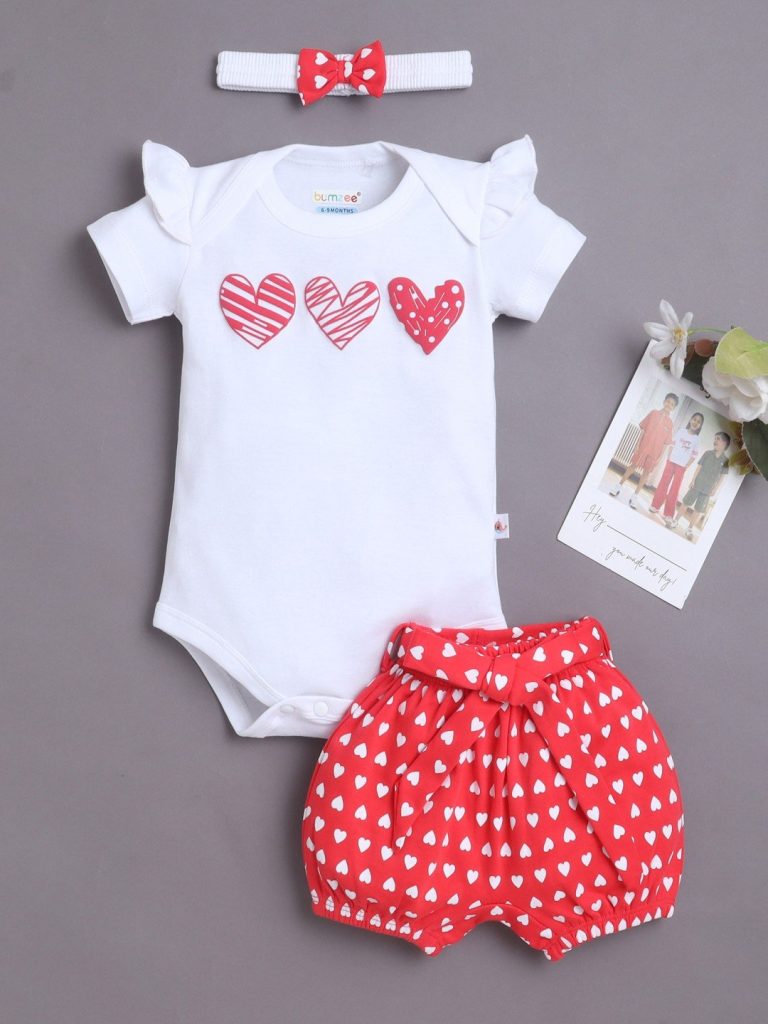
    • Cotton bodysuits/onesies (6–8)
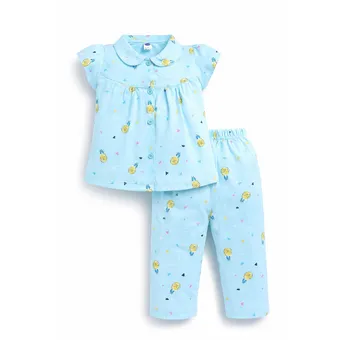
    • Sleep suits or rompers 
    • Mittens and socks
    • Caps or hats
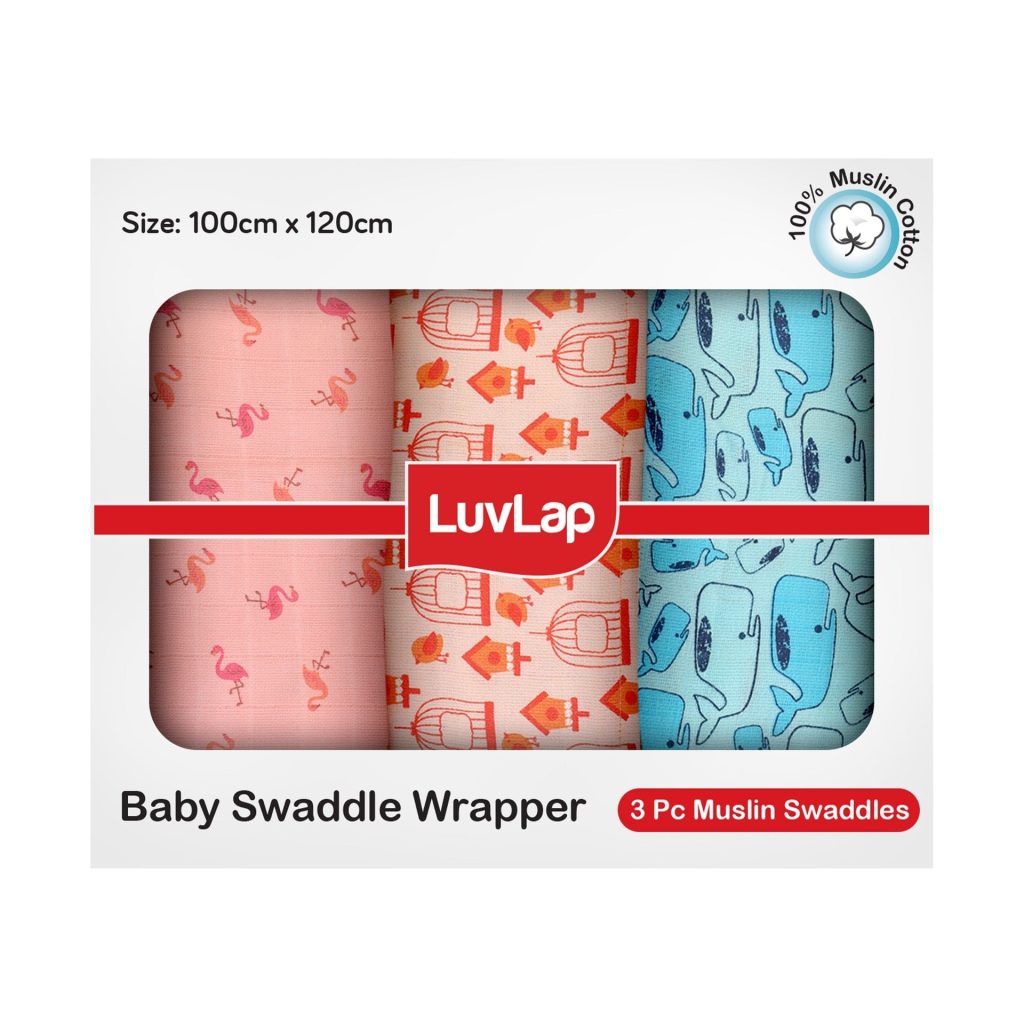
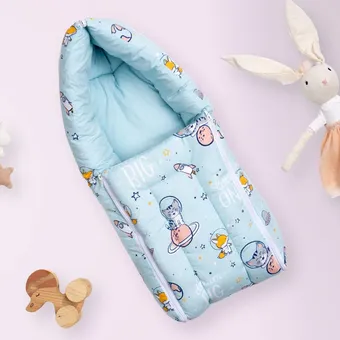
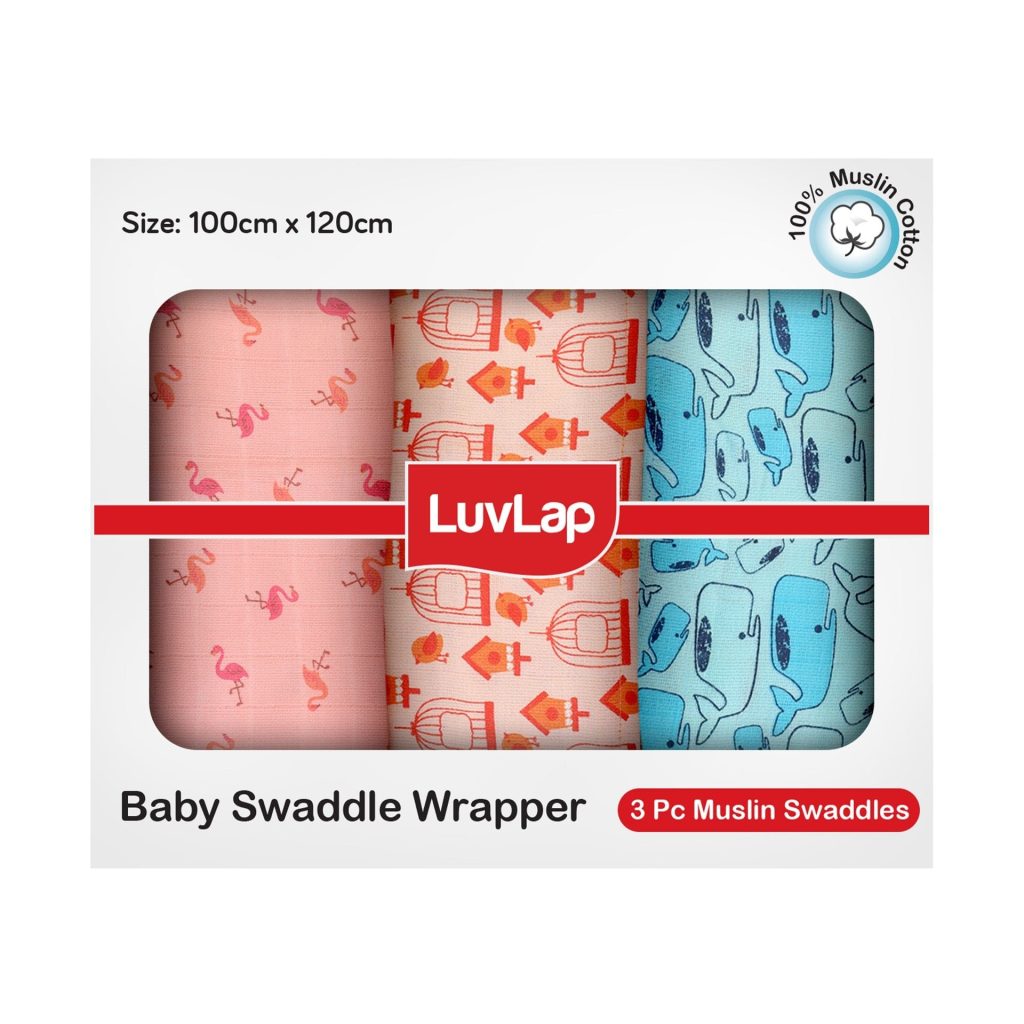
    • Swaddles
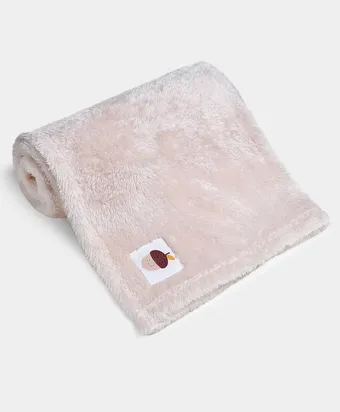
    • Soft blankets
    • Seasonal outerwear if needed

    4. Sleep Essential

    Safe sleep is one of the biggest priorities for newborn care.
    Newborn Sleep Checklist

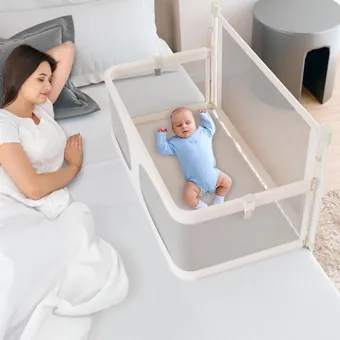
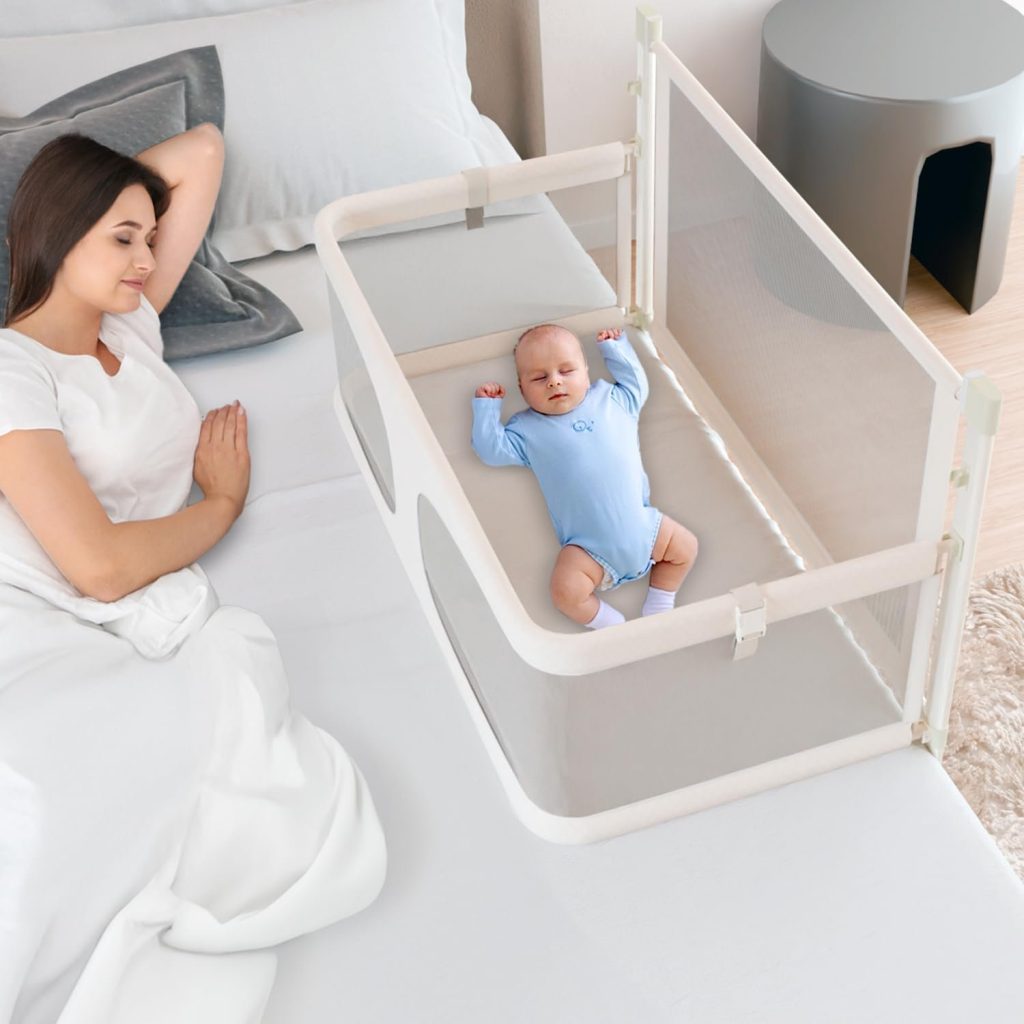
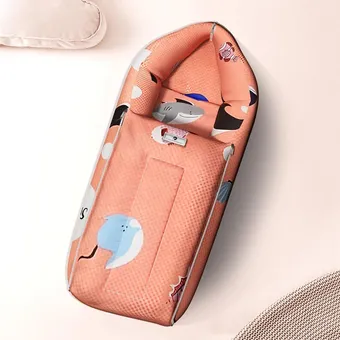
    • Crib, bassinet, or co-sleeper
    • Firm newborn mattress
    • Fitted crib sheets
    • Lightweight swaddles
    • White noise machine (optional)
    • Baby monitor (optional)

    Important: Avoid pillows, heavy blankets, or stuffed toys inside the sleeping space.

    5. Bath & Hygiene Essentials

    Newborn skin is delicate, so simple and gentle products work best. Stick to fragrance-free products whenever possible.
    Baby Hygiene Checklist

    • Baby bathtub
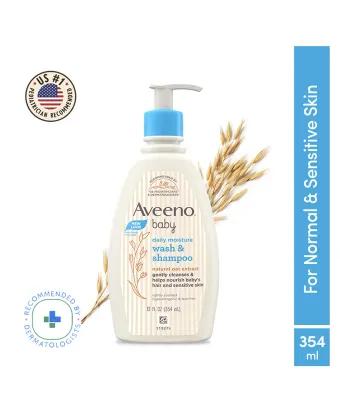
    • Mild baby body wash
    • Gentle shampoo
    • Soft towels with hood
    • Cotton towels or washcloths
    • Baby nail clipper
    • Baby lotion (if needed)

    6. Health & Safety Essentials

    A few practical items can make unexpected situations easier to manage.
    Baby Safety Checklist

    • Digital thermometer
    • Infant medicine dropper
    • Nasal aspirator
    • First-aid basics
    • Baby-safe laundry detergent

    Having these ready before birth can reduce stress later.

    7. Travel Essentials

    Even short trips become easier with the right gear.
    On-the-Go Essentials

    • Diaper bag
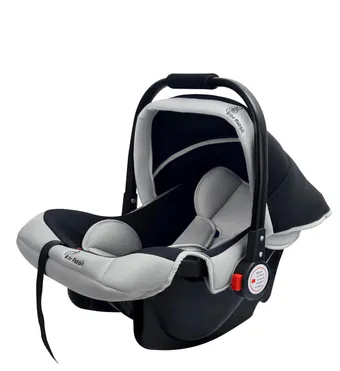
    • Car seat
    • Baby carrier
    • Lightweight stroller
    • Portable changing pad

    8. Optional But Helpful Newborn Essentials

    These aren’t mandatory, but many parents find them useful:

    • Bottle warmer
    • Pacifiers
    • Rocking chair
    • Baby swing
    • Play mat
    • Storage organizers

    Remember: every baby is different. What feels essential for one family may not matter for another.

    Understanding Baby Growth: Why Needs Change Fast

    One thing many first-time parents don’t realize is that infant development happens in rapid phases. Your baby’s needs during the first few months can change quickly, which is why it’s helpful to avoid overbuying newborn-only products.

    0–3 Months: The Newborn Phase

    In the first three months, babies mostly sleep, feed, and gradually adjust to the outside world.

    Key Developmental Changes

    • Frequent feeding every few hours
    • Longer sleep cycles begin forming
    • Gentle sensory awareness develops
    • Increased diaper use
    • Rapid physical growth

    Essentials You’ll Use Most

    • Diapers and wipes
    • Feeding supplies
    • Swaddles and sleepwear
    • Burp cloths
    • Soft clothing

    This stage is all about comfort, sleep, feeding, and routine.

    3–6 Months: Growing and Exploring

    By three months, babies become more active, curious, and physically engaged.

    Key Developmental Changes

    • Better head and neck control
    • Increased movement and kicking
    • Longer wake windows
    • More sensory stimulation
    • Beginning tummy time

    New Essentials You May Need

    • Activity mats
    • Teething toys
    • Slightly larger clothing sizes
    • Developmental toys
    • More structured sleep accessories.

    Common Mistakes First-Time Parents Make

    • Buying Too Many Newborn Clothes
    • Babies outgrow newborn sizes quickly.
    • Overstocking One Diaper Brand
    • Different babies respond differently to diapers.
    • Buying Every “Must-Have” Gadget
    • Not every trending baby product is necessary.

    Preparing for a baby doesn’t mean buying everything, it means buying smart. A practical newborn essentials checklist helps first-time parents feel more prepared while avoiding unnecessary spending.

    As your baby grows through rapid milestones from 0–3 months to 3–6 months, their needs will naturally evolve. Starting with the basics and adjusting as you go can make parenting feel much less overwhelming.

    At OZi, we understand that parenting comes with enough surprises already. That’s why we offer a wide range of baby care products, diapers, wipes, feeding essentials, household needs, and everyday essentials, all delivered in minutes, right when you need them. Shop smart, stay prepared, and make parenting a little easier. 

    Frequently Asked Questions

    What are the most important newborn essentials?

    Diapers, wipes, feeding supplies, clothing, sleep essentials, baby bath products, and health basics are among the most important newborn essentials.

    How many clothes does a newborn need?

    Around 6–8 onesies, a few sleepwear sets, socks, mittens, caps, and swaddles are usually enough to start.

    What things do you need for a newborn immediately?

    Feeding supplies, diapers, wipes, clothing, a safe sleep space, and bath essentials are needed immediately after birth.

    Should I buy newborn or 0–3 month sizes?

    A mix of both is ideal because babies grow quickly and may outgrow newborn sizes sooner than expected.

    When should I start buying newborn essentials?

    Many parents begin preparing their newborn essentials list during the second trimester to avoid last-minute stress.

  • Safe Baby Sleep Guide: TOG Ratings, Swaddles & Sleep Sacks Explained

    Safe Baby Sleep Guide: TOG Ratings, Swaddles & Sleep Sacks Explained

    Welcoming a new baby comes with countless questions especially around sleep. From understanding TOG ratings to choosing between swaddles for newborns and baby sleep sacks, many parents find themselves wondering what’s actually safest and most comfortable for their baby.

    Should your baby wear a sleep sack in summer? What’s the right room temperature? Is swaddling always safe? And how do you know if your baby is too hot or too cold at night?

    This safe baby sleep guide breaks it all down in simple terms. We’ll explain what a TOG rating is, how to dress your baby for sleep, the difference between swaddles and sleep sacks, and the safest baby sleep practices to follow during those important early months. The good news? Safe baby sleep doesn’t have to be complicated. With the right sleepwear, room temperature, and setup, bedtime can feel much more manageable.

    What is a TOG Rating?

    If you’ve been shopping for baby sleepwear, you’ve probably seen terms like 1.0 TOG or 2.5 TOG and wondered what they mean. TOG (Thermal Overall Grade) is a measurement used to show how warm a fabric or baby sleep product is. Simply put, the higher the TOG number, the warmer the material.

    Understanding TOG ratings explained can help parents choose appropriate sleepwear without over-layering or overheating their baby.

    Instead of piling on blankets, which are not recommended for infants, many parents use TOG-rated swaddles or sleep sacks to maintain a safe and comfortable sleep temperature.

    Here’s a simple guide to common TOG ratings:

    • 0.2–0.5 TOG: Best for hot summer nights and warm rooms, helping keep babies cool and comfortable.
    • 1.0 TOG: Ideal for mild or moderate temperatures, making it a versatile everyday option.
    • 2.5 TOG: Suitable for cooler rooms and winter evenings, offering extra warmth and comfort.
    • 3.5 TOG: Designed for very cold conditions, providing maximum warmth during colder months.

    Remember: room temperature matters more than the season outside. A rainy evening may feel warm indoors, while air-conditioned rooms in summer may still require warmer sleepwear.

    Baby Sleep Temperature Guide: What’s the Ideal Room Temperature?

    One of the biggest concerns parents have is making sure their baby is neither too hot nor too cold. Most sleep experts recommend keeping a baby’s room between 16–20°C for safe and comfortable sleep. A useful rule of thumb is: Dress your baby in one light layer more than what an adult would comfortably wear in the same room.

    If your baby seems sweaty around the neck or chest, has flushed cheeks, or damp hair, they may be too warm. On the other hand, cold hands and feet are often completely normal and don’t always indicate discomfort. This baby sleep temperature guide can help:

    Warm Rooms (24°C+)

    • Lightweight cotton onesie
    • 0.2–0.5 TOG sleepwear

    Moderate Temperatures (20–24°C)

    • Cotton sleepsuit
    • 1.0 TOG sleep sack or swaddle

    Cooler Rooms (16–20°C)

    • Long-sleeve bodysuit
    • 2.5 TOG sleep sack

    Very Cold Conditions

    • Layered sleepwear with 3.5 TOG products if needed
    • Avoid heavy blankets in the crib

    Keeping your baby comfortable without overheating is one of the key parts of safe sleep for babies.

    Swaddles for Newborns: Why Babies Love Them

    Swaddling has been used for generations because many newborns naturally feel calmer when wrapped snugly. A swaddle recreates the cozy, secure feeling of the womb and helps reduce the startle reflex (Moro reflex) that can wake babies suddenly during sleep.For many families, swaddles for newborns can help babies settle faster and sleep for slightly longer stretches especially during the first few months.

    Benefits of Swaddling

    • Helps calm the startle reflex
    • Creates a cozy, womb-like feeling
    • May help newborns settle faster
    • Can improve short sleep stretches

    However, safe swaddling matters.The swaddle should feel snug around the chest but remain loose around the hips and legs to allow healthy movement. Breathable fabrics such as cotton or muslin are usually preferred because they help regulate body temperature.

    Most importantly, swaddling is only meant for the newborn phase. Once babies begin showing signs of rolling over, often between 2 to 4 months parents should stop swaddling immediately. Sleep recommendations can vary depending on a baby’s age and health needs, so it’s always a good idea to consult your pediatrician if you’re unsure.

    Baby Sleep Sacks: A Safer Alternative to Blankets

    As babies grow more active, baby sleep sacks often become the next step after swaddling. A sleep sack is essentially a wearable blanket that stays securely on your baby throughout the night. Unlike loose bedding, which can bunch up or move around, sleep sacks stay in place and are often considered a safer sleep option.

    Benefits of Baby Sleep Sacks

    • Reduce the need for loose blankets
    • Help maintain a comfortable temperature
    • Allow arm movement for growing babies
    • Support safer sleep habits
    • Stay securely on during the night

    Many parents continue using sleep sacks beyond infancy because they help maintain sleep routines and prevent babies from kicking blankets away.
    When choosing a sleep sack, look for:

    • The correct TOG rating
    • Breathable fabric
    • A snug but comfortable neck and arm fit
    • Proper sizing for your baby’s age

    A well-fitted sleep sack should never ride up over a baby’s face.

    Swaddle vs Sleep Sack: What’s the Difference?

    Many new parents wonder about swaddle vs sleep sack, and the answer usually depends on your baby’s age and development stage.

    Swaddle

    Best for: Newborns (0–3 months)

    • Restricts arm movement gently
    • Helps calm newborn reflexes
    • Creates a womb-like feeling
    • Ideal during the earliest months

    Sleep Sack

    Best for: Babies who can roll or move more freely

    • Allows natural arm movement
    • Supports safer mobility during sleep
    • Keeps babies warm without blankets
    • Suitable for longer-term use

    A simple rule: swaddles for newborns, sleep sacks for growing babies.

    Safest Baby Sleep Practices Every Parent Should Follow

    Following a few simple habits can make a big difference when it comes to safe sleep for babies.

    Safest Baby Sleep Practices

    • Always place babies on their back to sleep
    • Use a firm mattress with a fitted sheet
    • Avoid pillows, cushions, and loose blankets
    • Keep soft toys out of the crib
    • Maintain a comfortable room temperature
    • Stop swaddling once rolling begins
    • Use breathable sleepwear suitable for the season

    The safest crib setup is usually the simplest one.

    1. Common Baby Sleep Mistakes Parents Should Avoid

    Even loving, careful parents sometimes make sleep mistakes without realizing it.

    1. Overdressing Babies

    Babies don’t regulate body temperature as efficiently as adults. Too many layers can quickly cause overheating.

    1. Using Loose Blankets

    Blankets may feel cozy, but they are not recommended for infant sleep because they can shift during the night.

    1. Continuing to Swaddle Too Long

    Once babies begin attempting to roll, it’s time to transition to arm-free sleepwear.

    1. Dressing for Weather Instead of Room Temperature

    Indoor conditions matter far more than outdoor weather. Air conditioning, heaters, and fans can all change how warm your baby feels.

    How to Choose the Right Baby Sleepwear

    Choosing the right baby sleepwear guide often comes down to three things:

    1. Your Baby’s Age: Newborns may benefit from swaddles, while older babies are often safer in sleep sacks.

    2. Room Temperature: Use TOG ratings to match indoor conditions.

    3. Comfort & Breathability: Look for lightweight, soft fabrics like cotton or muslin that support airflow.

    Creating a safe sleep setup for your baby doesn’t have to feel overwhelming. Understanding TOG ratings, knowing the difference between swaddles for newborns and baby sleep sacks, and following simple sleep safety practices can help make bedtime easier for both babies and parents.

    Every baby develops differently, and what works during the newborn stage may change quickly over the next few months. Staying flexible and paying attention to your baby’s comfort can go a long way.

    At OZi, we offer a wide range of baby essentials, sleepwear, newborn care products, and everyday parenting must-haves, all delivered to your doorstep in minutes, whenever you need them.

    Frequently Asked Questions 

    What does TOG mean in baby sleepwear?

    TOG stands for Thermal Overall Grade, which measures how warm a fabric or sleep product is. Higher TOG ratings provide more warmth.

    Are sleep sacks safer than blankets?

    Yes. Baby sleep sacks are generally considered safer because they stay securely on the baby and reduce risks associated with loose blankets.

    When should parents stop swaddling?

    Parents should stop swaddling as soon as babies begin attempting to roll over, usually between 2–4 months.

    What room temperature is safest for baby sleep?

    Most experts recommend keeping a baby’s room between 16–20°C for comfortable sleep.

  • When Do Babies Crawl? Milestones, Readiness Signs & Easy Tips

    When Do Babies Crawl? Milestones, Readiness Signs & Easy Tips

    Babies grow and change so quickly that every milestone feels exciting, and crawling is one of the biggest. It marks the beginning of your baby’s journey toward independence, helping strengthen muscles, coordination, and confidence. But one question many parents ask is, when do babies crawl?

    The answer is, every baby develops at their own pace. Some babies begin crawling as early as 6 months, while others may take until 10 months or even skip crawling entirely and move straight to walking. While timelines vary, understanding the signs baby is ready to crawl and knowing how to support the process can make this stage smoother and more fun for both parent and baby.

    In this blog, we’ll explore baby crawling milestones, readiness signs, practical ways to encourage crawling, and how the right toys can motivate movement and exploration.

    When Do Babies Crawl?

    Most babies start crawling between 6 and 10 months of age, though there’s a wide range of what’s considered normal. Before crawling begins, babies typically go through smaller developmental stages that prepare them for movement.

    Here’s a rough milestone timeline:

    • 0–3 months: Builds neck and upper body strength during tummy time
    • 4–6 months: Starts rolling over and pushing up on arms
    • 6–8 months: Rocks back and forth on hands and knees
    • 7–10 months: Begins crawling, scooting, or creeping

    Some babies crawl traditionally on hands and knees, while others invent unique methods like:

    • Army crawling: Pulling themselves forward on their tummy
    • Bottom shuffling: Scooting while sitting
    • Rolling: Using rolling motions to move around
    • Bear crawling: Crawling with straight arms and legs

    Remember, there’s no ‘perfect’ way to crawl. What matters most is steady progress in mobility and strength.

    Signs Baby is Ready to Crawl

    Wondering if your little one is getting close to crawling? Babies often show physical and behavioral clues before taking off. Here are the most common signs baby is ready to crawl:

    1. Stronger Neck and Head Control

    Your baby can comfortably hold their head up during tummy time and look around with ease. This upper-body strength is essential for supporting crawling movements.

    2. Rolling Over Frequently

    If your baby is rolling from tummy to back or back to tummy regularly, it means they’re developing the coordination needed for mobility.

    3. Pushing Up During Tummy Time

    Babies preparing to crawl often push up on their hands or forearms, almost like a mini push-up. This strengthens shoulder and arm muscles.

    4. Rocking on Hands and Knees

    One of the biggest signs is when your baby starts getting into a crawling position and rocking back and forth. It may look funny, but this movement helps them practice balance.

    5. Increased Curiosity

    Does your baby suddenly seem determined to reach toys, pets, or people? Curiosity is often a major motivator for crawling.

    6. Scooting or Moving Backward

    Many babies accidentally move backward before they figure out how to move forward. It’s completely normal and often part of the learning process.

    7. Pulling Toward Objects

    If your baby stretches, reaches, or tries hard to grab objects just out of reach, they may be preparing for crawling.

    What if Your Baby isn’t Crawling Yet?

    Parents naturally compare milestones, but development rarely follows a strict schedule. If your baby isn’t crawling by 8 or 9 months, it doesn’t automatically mean something is wrong. Some babies simply take longer, while others skip crawling entirely and move straight to standing or walking.

    However, consider speaking with your pediatrician if your baby:

    • Shows little interest in movement by 9–10 months
    • Seems very stiff or very floppy
    • Uses one side of the body significantly more than the other
    • Isn’t rolling, sitting, or bearing weight on arms

    In most cases, patience and practice are enough.

    How to Encourage Your Baby to Crawl

    Once your baby starts showing readiness signs, there are simple ways to support their development naturally.

    1. Prioritize Tummy Time

    Tummy time is one of the best activities for preparing babies to crawl. When babies spend time on their stomach, they strengthen important muscles in the:

    • Neck
    • Shoulders
    • Arms
    • Back
    • Core

    These muscles are essential for lifting the body and moving forward.
    Tips for better tummy time:

    • Start with a few minutes daily and gradually increase
    • Use colorful mats or mirrors for engagement
    • Lie on the floor with your baby to make it interactive
    • Choose times when your baby is alert and happy

    Even short tummy time sessions can make a big difference.

    2. Place Toys Just Out of Reach

    A simple but effective trick, motivate movement through curiosity. Place a favorite toy slightly beyond your baby’s reach so they have to stretch, scoot, or move toward it. The goal isn’t frustration, it’s gentle encouragement.

    Try placing:

    • Soft rattles
    • Musical toys
    • Light-up sensory toys
    • Plush toys with textures

    As babies become more interested in reaching objects, they naturally begin experimenting with movement.

    3. Create Safe Floor Space

    Babies need room to practice. Instead of spending too much time on swings, bouncers, or carriers, allow supervised floor play where your baby can explore freely. A baby-safe space with soft mats can encourage more movement and experimentation.

    4. Use Mirrors for Motivation

    Babies love faces, including their own. A baby-safe mirror placed during tummy time often encourages babies to lift their heads, push up, and move closer.

    5. Crawl With Your Baby

    Yes, really. Getting on the floor and demonstrating crawling movements can encourage imitation. Babies learn by watching caregivers, and your excitement may motivate them too.

    6. Celebrate Effort, Not Perfection

    Every wiggle, scoot, and reach counts. Even if progress feels slow, positive encouragement helps build confidence.

    Toys Play a Huge Role in Motivating Babies to Crawl

    One of the easiest ways to inspire movement is through toys to encourage crawling. Babies are naturally curious. When something lights up, moves, plays music, or feels interesting, they’re often motivated to go after it. The right milestone-specific toys can turn crawling practice into playtime.

    Best Toys to Encourage Crawling

    1. Rolling Balls: Soft sensory balls that move slightly when touched encourage babies to chase and reach.
    2. Musical Toys: Toys that play sounds or music when activated can motivate babies to move closer.
    3. Activity Rollers: Rollers designed for tummy time often spin or make sounds, encouraging pushing and movement.
    4. Interactive Crawling Toys: Some toys move slowly across the floor or light up, giving babies a fun reason to follow.
    5. Soft Building Blocks: Stacking and knocking down blocks can encourage reaching, pivoting, and movement.

    The key is choosing age-appropriate, milestone-specific toys that match your baby’s developmental stage.

    For busy parents, finding the right developmental toys quickly can feel overwhelming. Platforms like OZi make it easier to shop for baby essentials and milestone-specific toys, with convenient delivery in as little as 60 minutes, perfect when your little one suddenly enters a new developmental phase.

    Safety Tips Once Crawling Begins

    The moment babies become mobile, curiosity skyrockets. Before crawling officially starts, take time to baby-proof your space, because crawling babies move faster than most parents expect.

    • Cover electrical outlets
    • Secure furniture edges
    • Remove choking hazards from floors
    • Install safety gates near stairs
    • Keep cleaning products locked away
    • Anchor unstable furniture

    So, when do babies crawl? Most little ones begin between 6 and 10 months, but every baby develops differently. Watching for signs that the baby is ready to crawl, like rocking, reaching, and stronger tummy-time skills can help you know when this exciting milestone is approaching.

    The best way to support your baby is through plenty of tummy time, safe floor exploration, gentle encouragement, and engaging toys to encourage crawling. Small changes like placing toys just out of reach can make a big impact.

    And when your baby is ready for their next milestone, having the right developmental toys on hand matters. You can conveniently explore baby essentials and milestone-specific toys on OZi and get them delivered in 60 minutes, helping you stay one step ahead of your growing little explorer.

    Frequently Asked Questions

    1. When do babies crawl on average?

    Most babies start crawling between 6 and 10 months, though some may begin earlier or later.

    2. What are the first signs baby is ready to crawl?

    Common signs include rocking on hands and knees, pushing up during tummy time, rolling over frequently, and trying to reach objects.

    3. Can babies skip crawling?

    Yes. Some babies skip crawling and move directly to pulling up, cruising, or walking.

    4. What toys encourage babies to crawl?

    Rolling balls, musical toys, sensory toys, activity rollers, and interactive moving toys can motivate babies to move.

    5. Does tummy time help babies crawl?

    Absolutely. Tummy time strengthens muscles needed for crawling, including the neck, shoulders, arms, and core.

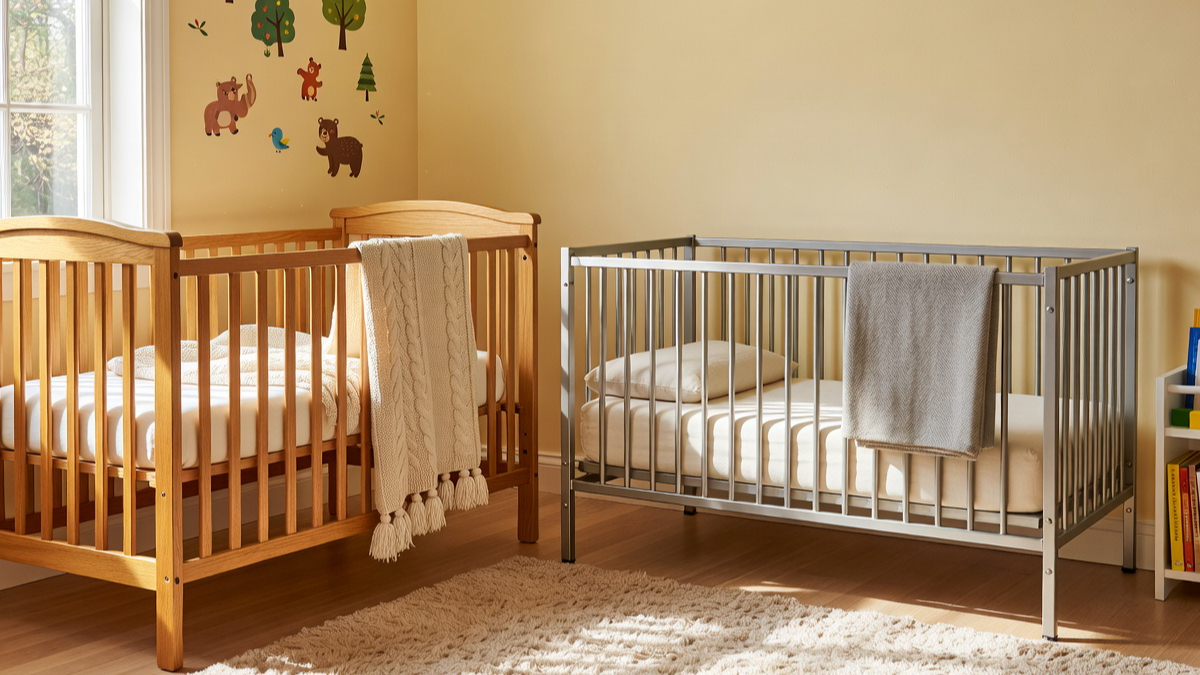
  • Crib vs. Cot: What’s the Difference & Which is Best for Your Baby?

    Crib vs. Cot: What’s the Difference & Which is Best for Your Baby?

    Preparing a safe and comfortable sleeping space is one of the biggest decisions new parents make. But once you begin shopping, one question often comes up: crib vs cot which one is actually better for your baby?

    At first glance, they may seem like the same thing. Both are designed to give babies a secure place to sleep, and the terms are often used interchangeably in different countries. However, there are some important differences in size, design, longevity, and functionality. If you’re wondering about the difference between crib and cot, this guide breaks it all down, so you can confidently choose the right sleeping option for your baby and your home.

    Crib vs Cot: What’s the Main Difference?

    The biggest distinction in the crib vs cot comparison often comes down to design, size, and regional terminology. In many countries, especially the UK, Australia, and India, a cot is the standard baby bed with enclosed sides designed for infants and toddlers.

    In the United States, however, the word crib is more commonly used for essentially the same product. That said, there are still practical differences parents may notice while shopping.

    A Baby Crib Typically:

    • Has a slightly smaller, compact design
    • May come with adjustable mattress heights
    • Often converts into toddler beds in modern designs
    • Is commonly marketed in North America

    A Baby Cot Usually:

    • May be slightly larger or more spacious
    • Often has sturdier wooden designs
    • Can last longer into toddler years
    • Is commonly used terminology in India, the UK, and Australia

    For many parents, the decision between a crib or cot for a baby comes down to room space, budget, and how long they plan to use it.

    What is a Crib?

    A crib for a baby is a specially designed enclosed sleep space made to keep infants safe during sleep. Many modern cribs also convert into toddler beds, making them a longer-term investment.

    Cribs usually feature:

    • High protective rails
    • A firm baby mattress
    • Adjustable mattress levels
    • Compact nursery-friendly dimensions

    Benefits of a Baby Crib

    • Space-saving for smaller nurseries
    • Adjustable mattress height for easier access
    • Safer enclosed sleeping space
    • Convertible options available

    Cribs are often ideal for parents living in apartments or homes where nursery space is limited.

    What is a Cot?

    A cot for a newborn or infant is also a dedicated sleeping bed with enclosed sides, but it may be slightly larger and more versatile depending on the design. Many parents prefer cots because they feel more spacious and can often accommodate growing babies for a longer period.

    Benefits of a Baby Cot

    • More room for movement
    • Often durable and long-lasting
    • Comfortable for extended use
    • Suitable for larger nurseries

    Some cots can transition into toddler beds or day beds, offering added functionality.

    Crib vs Cot Comparison

    If you’re still confused about baby crib vs cot, here’s an easy comparison:

    Size

    Crib: Usually more compact and space-efficient.
    Cot: Often slightly larger and roomier.

    Longevity

    Crib: May last into toddlerhood if convertible.
    Cot: Often suitable for extended use due to larger size.

    Room Space

    Crib: Better for smaller rooms or apartments.
    Cot: Better for spacious nurseries.

    Design

    Crib: Modern, compact, and minimalist.
    Cot: Traditional and often sturdier-looking.

    Price

    Crib: Can vary widely depending on convertible features.
    Cot: May cost more due to size and materials.

    At the end of the day, both are safe sleep solutions when chosen correctly.

    Which is Best for a Newborn?

    If your baby is still in the newborn stage, either option can work safely, as long as it follows sleep safety guidelines. The best sleeping option for baby should include:

    • A firm mattress
    • Proper mattress fit without gaps
    • Breathable bedding
    • Sturdy construction
    • Safety-certified materials

    Whether you choose a crib or cot, avoid:

    • Loose blankets
    • Pillows
    • Cushions
    • Stuffed toys in the sleep area

    A safe sleep setup matters far more than the label attached to the furniture.

    Factors to Consider Before Choosing a Crib or Cot

    Before choosing between a crib and a cot, think about your space, budget, and how long you plan to use it.

    1. Room Size

    If you have a small nursery, a crib may be a better choice since it usually takes up less space. For larger rooms, a cot can offer more comfort and room for your baby to grow.

    2. Budget

    A convertible crib or cot may cost more initially but can save money in the long run by adapting to your child’s growing needs.

    3. Baby’s Growth

    Some babies outgrow compact sleep spaces quickly. If you want a longer-term option, a larger cot may be more practical.

    4. Portability

    Some cribs are easier to move around, making them convenient for parents who want flexibility during the newborn stage.

    Ultimately, the best choice depends on your nursery size, lifestyle, and what feels most practical for your family.

    Nursery Sleep Essentials to Pair with a Crib or Cot

    Choosing the right baby sleep furniture is only one part of creating a safe nursery. Here are a few nursery sleep essentials worth considering:

    Safe Sleep Basics

    • Firm mattress
    • Waterproof mattress protector
    • Fitted sheets
    • Breathable sleepwear
    • Baby monitor (optional)

    Keep the sleep setup simple and clutter-free for safer rest.

    Safety Tips for Baby Sleep Furniture

    Regardless of whether you choose a crib or cot, safety should always come first.

    Safest Baby Sleep Practices

    • Always place babies on their back to sleep
    • Use a firm mattress with fitted sheets only
    • Avoid soft bedding and pillows
    • Check rail spacing and sturdiness
    • Ensure there are no sharp edges or loose screws

    A safe sleep environment helps babies sleep better, and gives parents greater peace of mind.

    Common Mistakes Parents Make When Buying Baby Beds

    1. Choosing Style Over Safety

    Aesthetic nursery furniture is great, but safety certification matters more.

    1. Buying Too Large for Small Rooms

    Oversized cots may make nurseries feel cramped.

    1. Ignoring Longevity

    Some parents buy temporary solutions only to replace them months later.

    1. Forgetting Mattress Compatibility

    A poorly fitting mattress can create unsafe gaps.

    Choosing between a crib vs cot doesn’t have to feel overwhelming. Both options can provide a safe and comfortable sleep environment when selected thoughtfully.

    The best choice often depends on your nursery space, budget, lifestyle, and how long you want the furniture to last. Whether you choose a compact crib or a spacious cot, prioritizing safety and comfort matters most.

    At OZi, we offer a wide range of baby care essentials, nursery products, and parenting must-haves, all delivered to your doorstep in minutes, so you can spend less time worrying and more time preparing for your little one.

    Frequently Asked Questions 

    Is a crib the same as a cot?

    In many countries, yes. The terms are often used interchangeably, though size and design differences may vary by region.

    Which is better: crib or cot for baby?

    The answer depends on your space, budget, and preferences. Smaller spaces often benefit from cribs, while cots may offer more room and longer use.

    Is a cot safe for newborns?

    Yes, as long as it meets safety standards and includes a firm mattress with no loose bedding.

    Can babies sleep in a crib from birth?

    Yes. A crib designed for infant sleep can safely be used from birth.

    How long can babies use a cot or crib?

    Many babies use them until around 2–3 years old, depending on size and developmental needs.

  • Why Sensory Toys Are the Secret to Your Baby’s Brain Growth

    Why Sensory Toys Are the Secret to Your Baby’s Brain Growth

    Every time a baby reaches for a colorful hanging mobile or crinkles a fabric book, something extraordinary happens. Millions of neurons in their brain fire, creating new pathways that form the foundation for all future learning.

    This isn’t just playtime, it’s sensory integration. In the first year of life, babies process the world almost entirely through their senses. Sensory toys for babies are the essential tools that help them make sense of the noise, light, and textures of their new environment.

    What Exactly Are Sensory Toys?

    Sensory toys are designed to engage one or more of the five basic senses; sight, sound, touch, smell, and taste as well as the ‘hidden’ senses like vestibular (balance) and proprioception (body awareness).

    While a traditional toy might just be for entertainment, a sensory toy has a job: to challenge the brain to interpret a physical stimulus.

    4 Benefits of Sensory Play for Infants

    1. Rapid Brain Development

    Babies are born with billions of brain cells, but they lack the ‘wiring’ to connect them. Sensory play acts as the electricity for that wiring. Every new sensation, the coldness of a teething ring or the ‘clack’ of wooden blocks strengthens the neural connections responsible for thought, memory, and language.

    2. Refining Fine and Gross Motor Skills

    Sensory toys encourage babies to use their bodies in new ways.

    • Fine Motor: Grabbing a small tag on a plush toy or poking a soft button.
    • Gross Motor: Reaching for a high-contrast toy during tummy time or crawling toward a rolling ball.

    3. Emotional Regulation and Calming

    Ever wonder why ‘fidget’ toys or soft blankets work so well? Sensory input can be incredibly grounding. Soft textures and gentle, rhythmic sounds (like a rainmaker) can lower a baby’s cortisol levels, helping them transition from a state of fussiness to calm focus.

    4. Language and Cognitive Skills

    Before a baby can say the word ‘rough,’ they must experience the sensation. Sensory play provides the physical context for vocabulary. When caregivers narrate the play, ‘Look at the bright red ball’ the baby begins to link sensory data with verbal labels.

    Choosing the Right Sensory Toy by Age

    0–3 Months: High Contrast and Soft Sounds

    At this stage, vision is blurry and limited to about 8–12 inches.

    • Visual: Black-and-white high-contrast cards and mirrors.
    • Auditory: Soft, lightweight rattles and musical mobiles.
    • Goal: Focus, tracking, and early auditory recognition.

    3–6 Months: Grabbing and Mouthing

    As babies gain hand control, they begin to explore with their mouths.

    • Tactile: Multi-textured teething rings and ‘crinkle’ books.
    • Proprioception: Play mats with dangling toys that encourage reaching and pulling.
    • Goal: Hand-eye coordination and oral exploration.

    6–12 Months: Cause and Effect

    Older infants begin to understand that their actions have results.

    • Cognitive: Busy boxes with buttons, ‘pop-up’ toys, and stacking cups.
    • Gross Motor: Textured sensory balls that roll away, encouraging crawling.
    • Goal: Problem-solving and spatial awareness.

    Safety Checklist for Sensory Toys

    Since sensory toys often involve diverse materials, safety is the top priority:

    1. Non-Toxic Materials: Ensure all plastics are BPA-free and paints are lead-free (especially for teething toys).
    2. Size Matters: Use the “toilet paper roll” test; if a toy can fit inside the roll, it is a choking hazard.
    3. Durability: Check that small parts like squeakers or “beans” inside plush toys are securely sewn in.

    Frequently Asked Questions

    At what age should sensory play begin?

    Sensory play can begin from birth. For newborns, this includes skin-to-skin contact, singing, and showing high-contrast images. As they grow, more physical toys like rattles and textured balls can be introduced.

    How do sensory toys help with teething?

    Many sensory toys feature varied textures like nubs, ridges, and soft silicone. These provide counter-pressure to sore gums, which distracts the brain from pain while also helping the baby “map” the inside of their mouth.

    Why does a baby put sensory toys in their mouth?

    This is called mouthing. The mouth has more nerve endings than the fingers, making it a baby’s most effective tool for “feeling” whether an object is hard, soft, cold, or textured. It is a vital part of cognitive development.

    What are the best types of sensory toys for newborns?

    For newborns, sensory engagement focuses on high-contrast visual stimuli and gentle auditory input. Black-and-white art cards, unbreakable floor mirrors, and soft-fleece rattles are ideal choices, as they cater to a newborn’s developing eyesight and sensitive hearing without causing overstimulation. 

  • Newborn Sleep Schedule: A Practical Guide to the First 3 Months

    Newborn Sleep Schedule: A Practical Guide to the First 3 Months

    Bringing a newborn home is a whirlwind of joy, laundry, and most notably exhaustion. If you feel like your life currently revolves around a tiny human who thinks 2:00 AM is the perfect time for a party, you aren’t alone.

    In the first 12 weeks, ‘schedule’ is a loose term. However, understanding the science of infant sleep can help you find a rhythm amidst the chaos. This guide breaks down all you need to know about newborn sleep schedule what is biologically normal and how to set the foundation for healthy sleep habits.

    The Reality of Newborn Sleep Patterns

    Newborns typically sleep between 14 and 17 hours within a 24-hour period. However, this sleep is rarely consolidated into long blocks.

    • Frequent Waking: Most infants wake every 2 to 3 hours to feed.
    • Stomach Capacity: At birth, a baby’s stomach is roughly the size of a marble, meaning they require frequent caloric intake to support rapid growth.
    • Sleep Cycles: Unlike adults, newborns spend about 50% of their sleep in REM (active) sleep, which leads to more frequent stirring.

    Why Newborns Lack a Circadian Rhythm

    A schedule is difficult to maintain in the early weeks because newborns are not born with a functioning circadian rhythm (the internal biological clock).

    • Melatonin Production: Infants do not produce their own melatonin, the hormone responsible for sleep regulation until they are 8 to 12 weeks old.
    • Biological Drivers: Until the internal clock matures, sleep is driven entirely by physical needs, specifically hunger, digestion, and exhaustion.
    • Day-Night Confusion: Because the internal clock is absent, many babies experience day-night confusion, where they sleep soundly during the day and become alert during late-night hours.

    Month-by-Month Sleep Breakdown

    Month 1: The Adjustment Phase

    During the first four weeks, the infant is in the “fourth trimester.” Sleep is disorganized and occurs in short bursts around the clock.

    • Total Sleep: 16–18 hours.
    • Wake Windows: 35–60 minutes.
    • Key Challenge: Day-Night Confusion. Many newborns sleep deeply during the bright hours and become highly active at night.
    • The Strategy: Focus on feeding and safe sleep. Keep daytime environments bright and filled with natural household noise, while keeping nighttime dark, quiet, and boring.

    Month 2: Finding a Rhythm

    By week six, many infants begin to show slightly longer stretches of sleep at night, occasionally reaching 3–4 hours at a time.

    • Total Sleep: 14–16 hours.
    • Wake Windows: 60–90 minutes.
    • Key Development: Increased alertness and the appearance of social smiles.
    • The Strategy: Start a simple bedtime routine. A consistent sequence like a bath, pajamas, and a feeding signals to the brain that the long sleep stretch is approaching.

    Month 3: The Turning Point

    At 12 weeks, melatonin production increases. Many babies begin to consolidate sleep into one long stretch at night anywhere from 5 to 7 hours.

    • Total Sleep: 14–15 hours.
    • Wake Windows: 75–120 minutes.
    • Key Development: The 4-month sleep regression may begin early as sleep cycles transition to a more permanent structure.
    • The Strategy: Practice “Drowsy but Awake.” Placing the baby down while calm but not yet fully asleep encourages the early development of self-soothing.

    Understanding Wake Windows

    A wake window is the duration an infant is awake between naps. Missing this window leads to “overtiredness,” which triggers a cortisol spike. This makes it significantly harder for the baby to fall and stay asleep.

    Typical Wake Windows:

    • 0–4 Weeks: 35–60 minutes
    • 4–8 Weeks: 60–90 minutes
    • 8–12 Weeks: 90–120 minutes

    How to Tell if Baby is Tired: Common Sleep Cues

    Don’t wait for your baby to cry to put them down. Crying is a late sign of hunger or tiredness. Look for these early cues:

    • Level 1 (Early): Staring into space, turning away from lights/sounds.
    • Level 2 (Mid): Pulling at ears, rubbing eyes, or yawning.
    • Level 3 (Late): Arching their back, clenching fists, or hysterical crying.

    Important Safety and Strategy Tips
    To ensure your baby sleeps safely and effectively, keep these competitor-proven strategies in mind:

    1. Follow the ABCs of Safe Sleep: Alone, on their Back, in a Crib or bassinet.
    2. Cap Daytime Naps: Most experts recommend not letting a single daytime nap exceed 2 hours. This ensures they get enough calories during the day to sleep longer at night.
    3. The ‘Le Pause’ Method: When your baby whimpers in their sleep, wait 30 seconds before picking them up. Newborns are noisy sleepers and often go through “active sleep” where they move and grunt without actually being awake.
    4. Swaddling: This mimics the womb and prevents the Moro reflex (startle reflex) from waking them up. Note: Stop swaddling as soon as the baby shows signs of rolling.

    Frequently Asked Questions

    When is it appropriate to start sleep training?
    Most pediatricians recommend waiting until the infant is between 4 and 6 months old. Before this age, babies lack the developmental maturity to self-soothe and typically require nighttime feedings for proper growth.

    Why is there so much movement and grunting during newborn sleep?
    This is known as Active Sleep. Newborns spend roughly 50% of their sleep time in REM (Rapid Eye Movement) sleep. It is common for them to twitch, smile, or cry out briefly while remaining technically asleep.

    How is day-night confusion corrected?
    Exposing the infant to natural sunlight for 15 minutes each morning helps set the internal clock. Maintaining a ‘business-only’ approach to nighttime feedings using dim lights and minimal interaction further reinforces that night is for resting.

    How many naps does a 3-month-old typically need?
    At three months, most infants take between 3 and 5 naps per day. The frequency depends on the length of each nap, with the goal of keeping total daytime sleep around 4 to 5 hours.

  • Baby Swaddling in Summer:Dos, Don’ts & Safety Tips

    Baby Swaddling in Summer:Dos, Don’ts & Safety Tips

    Swadding, often recommended as one of the best ways to calm a newborn and improve their sleep quality, but when summer arrives, many parents start to question it. Is baby swaddling in summer safe for babies, or can it lead to overheating?

    And the concern is completely valid. Newborns are more sensitive to temperature changes and cannot regulate heat as effectively as adults. In warmer weather, the risk of overheating makes many parents unsure about whether they should continue swaddling their baby.

    The good news is that swaddling can still be safe during warmer months, as long as it is done correctly. Understanding when to swaddle, what materials to use and how to avoid overheating makes all the difference.

    This blog answers all the questions around swaddling. Is it safe in summer, the benefits, risks and practical tips. Keep reading to know all about it. But before we begin finding out if it’s good for summer or not. Let’s understand what swaddling actually is. 

    H2: What is Swaddling and Why You Should Do it? 

    Swaddling is the practice of wrapping a newborn snugly in a soft cloth or blanket to recreate the secure feeling of the womb. For babies who are adjusting to a completely new environment, this sense of comfort can make a significant difference in their sleep and overall mood.

    Newborns are born with a natural startle reflex (also known as the Moro reflex), which can wake them up suddenly. Swaddling helps reduce these involuntary movements, allowing babies to sleep more peacefully and for longer durations.

    Apart from improving sleep, swaddling also:

    • Provides a sense of safety and comfort
    • Reduces fussiness and crying
    • Helps babies settle faster
    • Supports better sleep routines for parents

    For new parents navigating the early days, swaddling can be one of the simplest yet most effective techniques to soothe a newborn.

    H2: Different Types of Swaddling 

    There isn’t just one way to swaddle a baby. Depending on your baby’s comfort and the weather, you can choose from different styles:

    1. Traditional Swaddle
    This involves wrapping your baby snugly with a cloth blanket, securing the arms while allowing slight leg movement. It’s the most common method.

    2. Arms-Up Swaddle
    Some babies prefer having their hands near their face. This style allows natural movement while still offering comfort.

    3. Sleep Sacks or Swaddle Bags
    These are wearable blankets designed for convenience. They are especially useful for parents who want an easy and consistent swaddling method.

    4. Lightweight Muslin Swaddle
    Perfect for warmer weather, muslin swaddles are breathable and reduce the risk of overheating.

    Choosing the right type depends on your baby’s preference and the surrounding temperature, especially important during summer.

    H2: Is Swaddling Safe in Summer?

    Swaddling in summer is safe,  but only when done carefully. The biggest concern during hot weather is overheating. Babies cannot regulate their body temperature as effectively as adults, which makes them more vulnerable to heat.

    However, swaddling doesn’t need to be avoided entirely in summer. With the right approach such as using breathable fabrics, dressing your baby lightly, and maintaining a comfortable room temperature it can still be a safe and soothing practice.

    The key is balance; comfort without trapping heat.

    H2: Benefits of Swaddling in Summer 

    1. Promotes Better Sleep: Swaddling mimics the snug feeling of the womb, helping babies sleep more soundly even in warmer months when minor discomforts can disrupt rest.

    2. Reduces the Startle Reflex: Babies have a natural Moro (startle) reflex that can wake them suddenly. Swaddling suppresses this, allowing longer, uninterrupted sleep regardless of the season.

    3. Soothes Fussiness & Colic: The gentle pressure of a swaddle can calm an overstimulated or colicky baby, which is especially helpful in summer when heat and new environments may increase irritability.

    4. Regulating Comfort: (Not Just Temperature) Using a lightweight, breathable fabric like muslin or bamboo allows swaddling in summer without overheating, while still providing the emotional security and comfort babies need.

    5. Supports Safe Sleep: Positioning Swaddling keeps a baby’s arms tucked safely, reducing the chance of rolling or repositioning during sleep — an important safety benefit that applies year-round.

    Summer Tip: Always use thin, breathable fabrics, keep the room at 24–26°C, and ensure the baby’s head remains uncovered to prevent overheating.

    H2: How to Swaddle a Baby in Summer (Step-by-Step)

    Learning how to swaddle a newborn correctly is especially important during summer to avoid overheating. Follow these simple steps:

    Step 1: Choose the Right Fabric:  Use a lightweight, breathable cloth like cotton or muslin.

    Step 2: Lay the Swaddle Flat: Spread the cloth in a diamond shape and fold the top corner down slightly.

    Step 3: Position Your Baby: Place your baby on their back with shoulders just below the folded edge.

    Step 4: Wrap One Side: Gently bring one side of the cloth across your baby’s body and tuck it under.

    Step 5: Fold the Bottom Loosely: Bring the bottom up but ensure there is enough room for leg movement.

    Step 6: Wrap the Other Side: Wrap the remaining side across and tuck it securely.

    Important Tip: Keep the swaddle snug around the arms but loose around the hips to allow natural movement and airflow.

    H2: Do’s & Don’ts for Swaddling in Summer 

    Do’s

    1. Use Lightweight, Breathable Fabric Opt for muslin, cotton, or bamboo wraps that allow airflow and prevent heat build-up around the baby.

    2. Keep the Room Cool Maintain room temperature between 24–26°C and use a fan or air conditioning to ensure a comfortable sleep environment.

    3. Dress Baby Minimally Underneath A light onesie or just a diaper under the swaddle is enough. Avoid layering heavy clothing beneath the wrap.

    4. Check for Overheating Regularly Feel the baby’s neck or chest (not hands/feet) to gauge body temperature. Warm, sweaty skin or flushed cheeks are warning signs.

    5. Swaddle Snugly but Not Too Tight Wrap firmly enough to feel secure, but ensure there’s room for the hips and legs to move freely to prevent hip dysplasia.

    6. Always Place Baby on Their Back: Swaddled babies should always be laid on their back to reduce the risk of SIDS.

    Don’ts

    1. Don’t Use Thick or Fleece Blankets Heavy fabrics trap heat and significantly raise the risk of overheating in summer.

    2. Don’t Cover the Baby’s Head The head is a key area for heat release — always keep it uncovered while swaddling.

    3. Don’t Swaddle Once Baby Can Roll Over As soon as a baby shows signs of rolling (usually around 2–3 months), swaddling becomes a safety risk.

    4. Don’t Swaddle Too Loosely A loose swaddle can unravel and become a suffocation hazard during sleep.

    5. Don’t Ignore Signs of Discomfort Excessive crying, rapid breathing, or a very red face may signal the baby is too hot unwrap immediately and cool them down.

    6. Don’t Swaddle for Extended Periods During the Day Give the baby regular breaks from swaddling during daytime to allow free movement and natural development.

    H2: Tips to Swaddle Your Baby in Summer 

    To make swaddling safer and more comfortable during warmer months, keep these practical tips in mind:

    1. Choose the Right Time to Swaddle
    Swaddle your baby mainly during sleep rather than throughout the day.

    2. Use Minimal Layers
    If the weather is very hot, you can skip inner clothing and use just a light swaddle.

    3. Keep the Sleeping Area Cool
    Ensure proper ventilation and avoid direct sunlight in the baby’s room.

    4. Watch for Baby’s Signals
    Every baby is different if your baby seems uncomfortable, adjust accordingly.

    5. Consider Alternatives When Needed
    If temperatures are extremely high, opt for lightweight sleep sacks or breathable babywear instead of traditional swaddling.

    6. Stay Flexible
    Swaddling isn’t mandatory. If your baby sleeps comfortably without it during summer, that’s completely fine.

    Frequently Asked Questions

    1. How to swaddle babies in summer?

    Use a single layer of lightweight muslin fabric and keep the legs loose. Always ensure the neck and face are uncovered and check the back of the neck for overheating.

    1. Which fabric is best for swaddling in summer?

    Muslin cotton is the best choice, breathable, lightweight, and gentle on baby’s skin. Bamboo fabric is a good alternative for babies with sensitive skin. 

    1. When should I stop swaddling my baby?

    Stop swaddling as soon as your baby shows signs of rolling over, typically between 2 and 4 months. Continuing after this point is a safety risk.

    1. Can I use a fan or air conditioner in my baby’s room?

    Yes, both are safe as long as the airflow is not directed at your baby. Keep the room temperature between 24–26°C and dress your baby in a single light layer.

    1. What are some easy swaddling techniques for summer?

    The diamond swaddle and arms-out swaddle are the easiest for summer,  both use minimal fabric and keep your baby cool. The arms-out technique works especially well once your baby starts rolling.