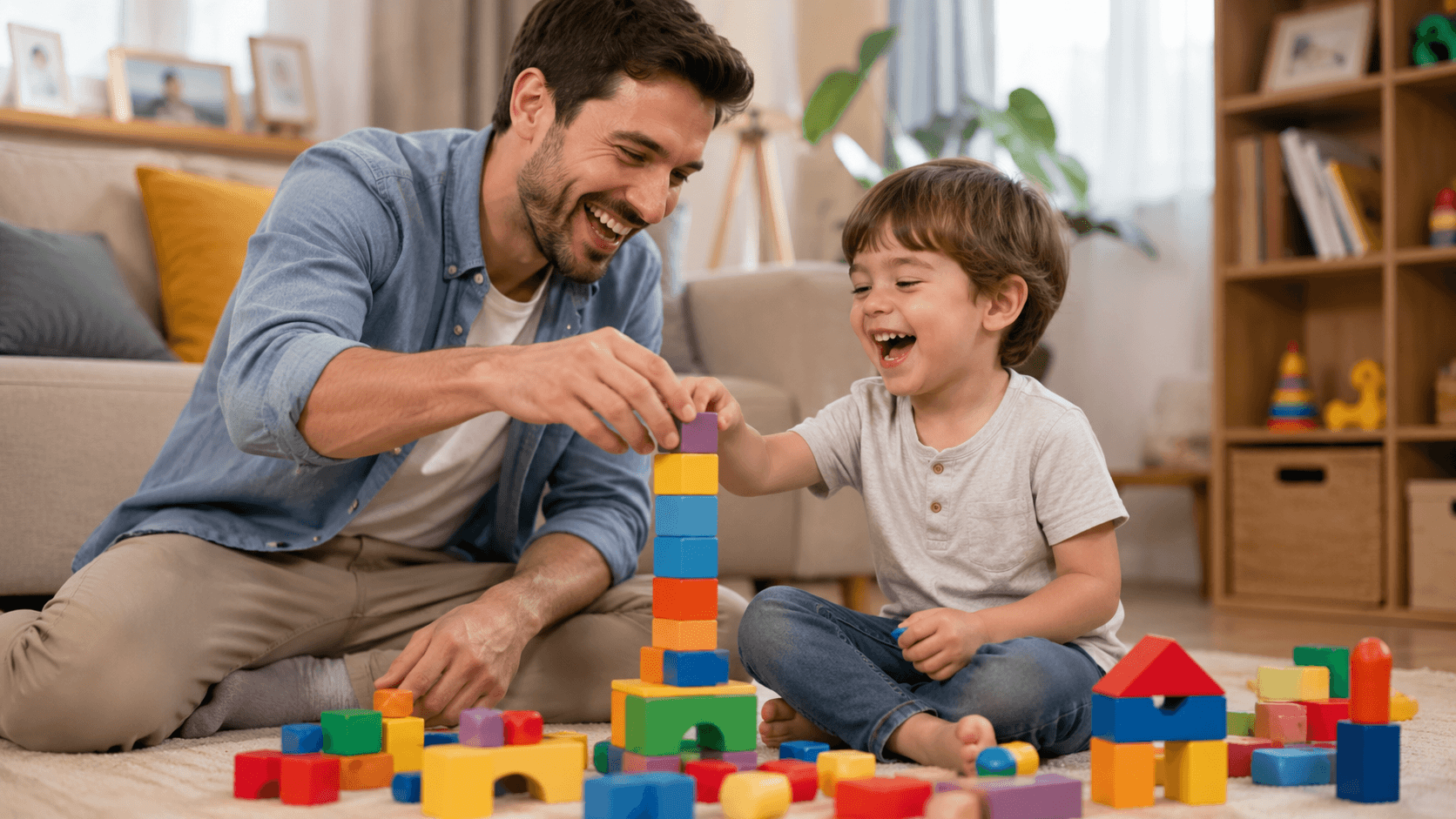
Blog

  • 12 Fun Things to Do With Kids Everyday (No Planning Needed!)

    12 Fun Things to Do With Kids Everyday (No Planning Needed!)

    As parents, we all want to create those magical moments with our children, those memories they’ll cherish. But let’s be honest, between school runs, chores, and work, finding time for elaborate plans can feel impossible. You might be wondering how to weave in meaningful connection without adding more to your already overflowing plate.

    The good news is that creating quality time doesn’t have to be complicated. It’s often the small, spontaneous moments that truly matter. We’re talking about those simple, everyday interactions that build strong bonds and bring joy.

    Here are 12 practical and fun things to do with kids every day, designed for busy Indian families, that require zero pre-planning. These are about presence, not perfection, and are perfect for fostering family bonding activities.

    Morning Magic: Starting the Day Right

    The morning rush can be crazy, right? But honestly, even just a few minutes of really connecting can set such a good vibe for the whole day. These quick activities are all about that connection before everything really kicks off.

    The “Good Morning” Game

    Instead of just a quick “good morning,” try turning it into a little game. Ask your child to tell you one thing they’re looking forward to today, or maybe a funny dream they had. Then you share one too! It’s a super simple way to get them talking and see how they’re feeling.

    Breakfast Story Time

    While they’re munching on their paratha or idli, make up a quick, imaginary story. It could be about a spoon that talks, a mango that plays tricks, or a brave little ant. You don’t need a whole plot, just a few sentences to get their imagination going. It’s a lovely way to encourage creative thinking.

    Afternoon Adventures: Turning Chores into Play

    Afternoons can feel like a blur of homework and household tasks. Why not turn some of those everyday moments into fun things to do with your kids?

    Kitchen Helpers

    Get your child involved in simple kitchen tasks. Let them wash a few veggies, stir the dal, or help set the table. Even a toddler can hand you a spoon! This teaches them life skills and makes them feel like they’re really helping. Plus, it’s a great chance for some casual chat.

    Laundry Basket Express

    Turn laundry folding into a game. Can they sort socks by colour? Can they build a tower of folded clothes? If you have younger kids, letting them “ride” in an empty laundry basket for a short distance (with you right there, of course!) can bring out the biggest smiles. It’s a classic indoor game for kids and parents.

    [PRODUCT: child-safe kitchen tools like blunt knives or colourful measuring cups]

    Evening Ease: Winding Down Together

    Evenings are for winding down, but they’re also a perfect time for quality moments that don’t feel like another thing on your to-do list.

    Bedtime Story Creation

    Instead of just reading a story, try making one up together. You start a sentence, then your child adds the next, and so on. Maybe it’s about a unicorn who loves paneer, or a superhero who tidies their room with a magic wand. It’s a wonderful way to spark their imagination and build their vocabulary.

    Shadow Puppet Show

    Turn off the lights, grab a torch, and make shadow puppets on the wall. Simple hand shapes can become birds, dogs, or even dancing figures. This is a timeless, easy indoor game for kids and parents that brings out wonder and lots of laughter.

    “What Was Your Favourite Part?”

    Before bed, ask your child about their favorite part of the day. Share yours too. This simple question helps them think about positive things and lets you understand their world a little better. It’s a quick, meaningful way to end the day.
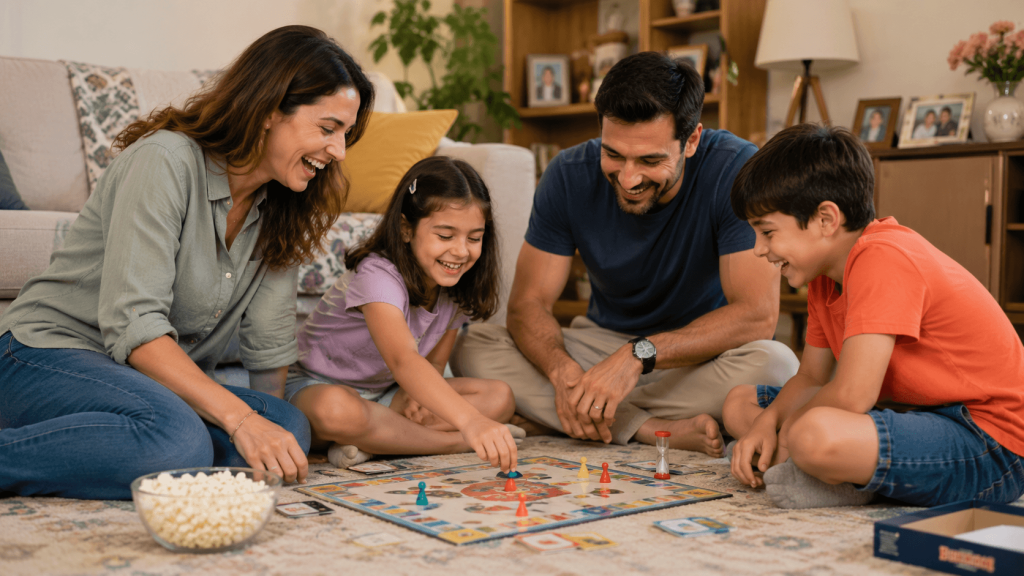
    Weekend Wonders: Spontaneous Joy

    Weekends might mean more free time, but these activities are still all about spontaneity and connection, not big, complicated plans.

    Nature Scavenger Hunt (Even in the Balcony!)

    Whether it’s your garden, a nearby park, or even just your balcony, give them a short list of things to find: a smooth stone, a green leaf, a feather, something red. It encourages them to really look around and gets them moving. It’s a fantastic way to explore outdoors and one of the most fun things to do with kids.

    Dance Party for Two (or More!)

    Put on some upbeat music – maybe some Bollywood hits or classic nursery rhymes – and just dance! No fancy moves needed, just free-form movement and laughter. It’s a fantastic way to release energy and a guaranteed mood booster for everyone.

    “I Spy” on the Go

    Whether you’re stuck in traffic, waiting at the doctor’s office, or simply walking to the market, “I Spy” is a classic for a reason. It sharpens observation skills and keeps little minds busy without needing any props. It’s a simple, effective family bonding activity.

    Building a Blanket Fort

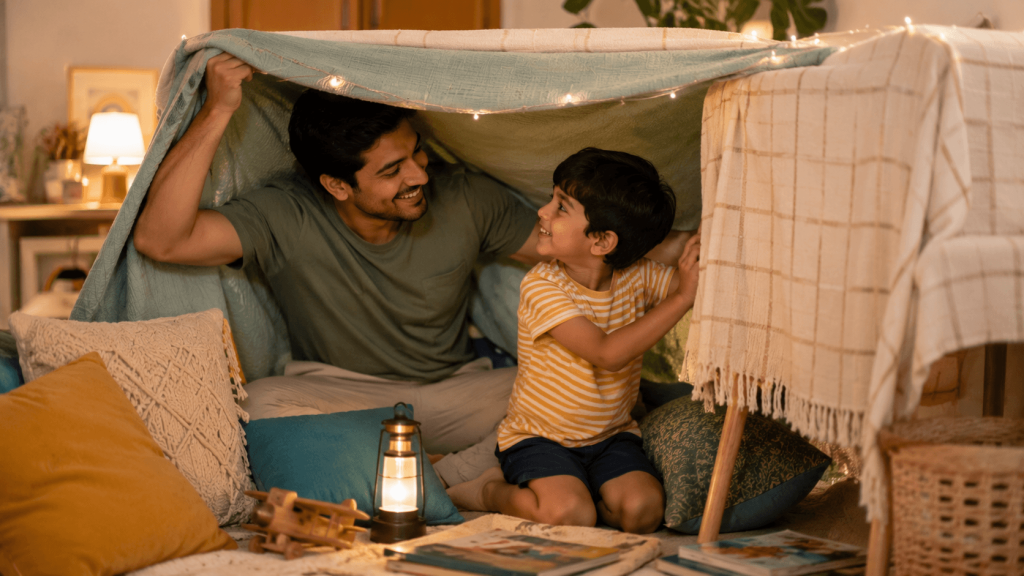
    Gather some blankets, pillows, and chairs, and build a cozy fort in the living room. This simple act of building something together can be incredibly engaging. Once it’s up, it becomes a magical space for reading, whispering secrets, or just chilling out together. It’s an ultimate indoor game for kids and parents.

    Cooking Together: Indian Snacks Edition

    Get your kids involved in making simple Indian snacks. Think easy recipes like mixing the batter for besan cheela, rolling out small puris, or decorating biscuits with colourful sprinkles. It’s a sensory experience, teaches them about food, and often ends with yummy rewards. This is a great way to introduce them to traditional flavors and create quality time.

    Frequently Asked Questions

    How can I make everyday activities more engaging for my child?

    Try turning routine tasks into games, let them help make small decisions, and use your imagination to create stories or challenges. Even little changes can make a big difference.

    What if my child isn’t interested in these activities?

    Every child is different! Don’t push it. Offer a choice of a few activities, or just try again another day. Sometimes, just being present and available is enough.

    How much time do I need for these fun things to do with kids?

    Many of these activities only take 5-15 minutes. The important thing is consistency and being present, not how long you spend. Even short bursts of focused attention can be really impactful.

    Are these activities suitable for all ages?

    Most of these can be adjusted for different age groups. Younger children might need more help, while older kids can take on more responsibility or even lead parts of the activity.

    How do these simple activities contribute to family bonding?

    These activities create shared experiences, help you talk more openly, and show your child that you love spending time with them. They build a foundation of positive interactions and lasting memories.

    What are some easy indoor games for kids and parents?

    Shadow puppets, blanket forts, “I Spy,” and impromptu dance parties are all fantastic, no-prep indoor games that encourage interaction and laughter between parents and children.

    Remember, parenting is a journey filled with small, precious moments. You don’t need grand gestures to show your love and build strong connections. These simple, fun things to do with kids every day are about being present and enjoying the little things.

    As your family grows, having easy access to daily essentials like activity kits, books, or even just healthy snacks can make routines smoother. Platforms like OZi help busy parents manage everyday needs more conveniently while focusing on what matters most: spending quality time with their little one.
  • How to Handle Your Toddler’s Big Temper Tantrum Over Little Things

    How to Handle Your Toddler’s Big Temper Tantrum Over Little Things

    Watching your sweet little one suddenly transform into a screaming, kicking bundle of frustration over a broken biscuit or a misplaced toy can feel incredibly overwhelming. You’re not alone; every parent experiences this. It’s part of the toddler journey, but knowing how to handle a temper tantrum over little things can make all the difference for both you and your child.

    Those dramatic outbursts are often your toddler’s way of saying, “I don’t know how to deal with these big feelings!” They lack the words and emotional regulation skills we adults take for granted. Instead of feeling helpless, let’s explore some practical, empathetic strategies to navigate these challenging moments and bring back some calm.

    Understanding the “Why” Behind the Tantrum

    Toddlers aren’t trying to manipulate you when they throw a temper tantrum. Their brains are still developing, especially the parts responsible for self-control and language. A seemingly small trigger, like a toy car not rolling straight, can be the last straw in a day filled with unnoticed frustrations, hunger, or tiredness.

    They might be feeling overwhelmed, misunderstood, or simply testing boundaries. Realizing it’s not personal can help you respond with patience instead of anger. It’s a phase, and with your guidance, they’ll learn healthier ways to express themselves.

    Common Tantrum Triggers:

    • Fatigue: An overtired toddler is a tantrum waiting to happen.
    • Hunger: Low blood sugar can quickly turn a happy child into a grumpy one.
    • Overstimulation: Too much noise, too many people, or too many activities.
    • Lack of Control: Toddlers crave independence and often lash out when they feel restricted.
    • Developmental Frustration: Trying to do something new and failing (like stacking blocks).
    • Seeking Attention: Sometimes, any attention, even negative, feels better than none.

    Effective Strategies to Handle a Temper Tantrum

    When the storm hits, your immediate reaction can either fuel the fire or help extinguish it. The goal isn’t to stop all tantrums – that’s unrealistic – but to teach coping mechanisms and help your child feel understood.

    Stay Calm and Present

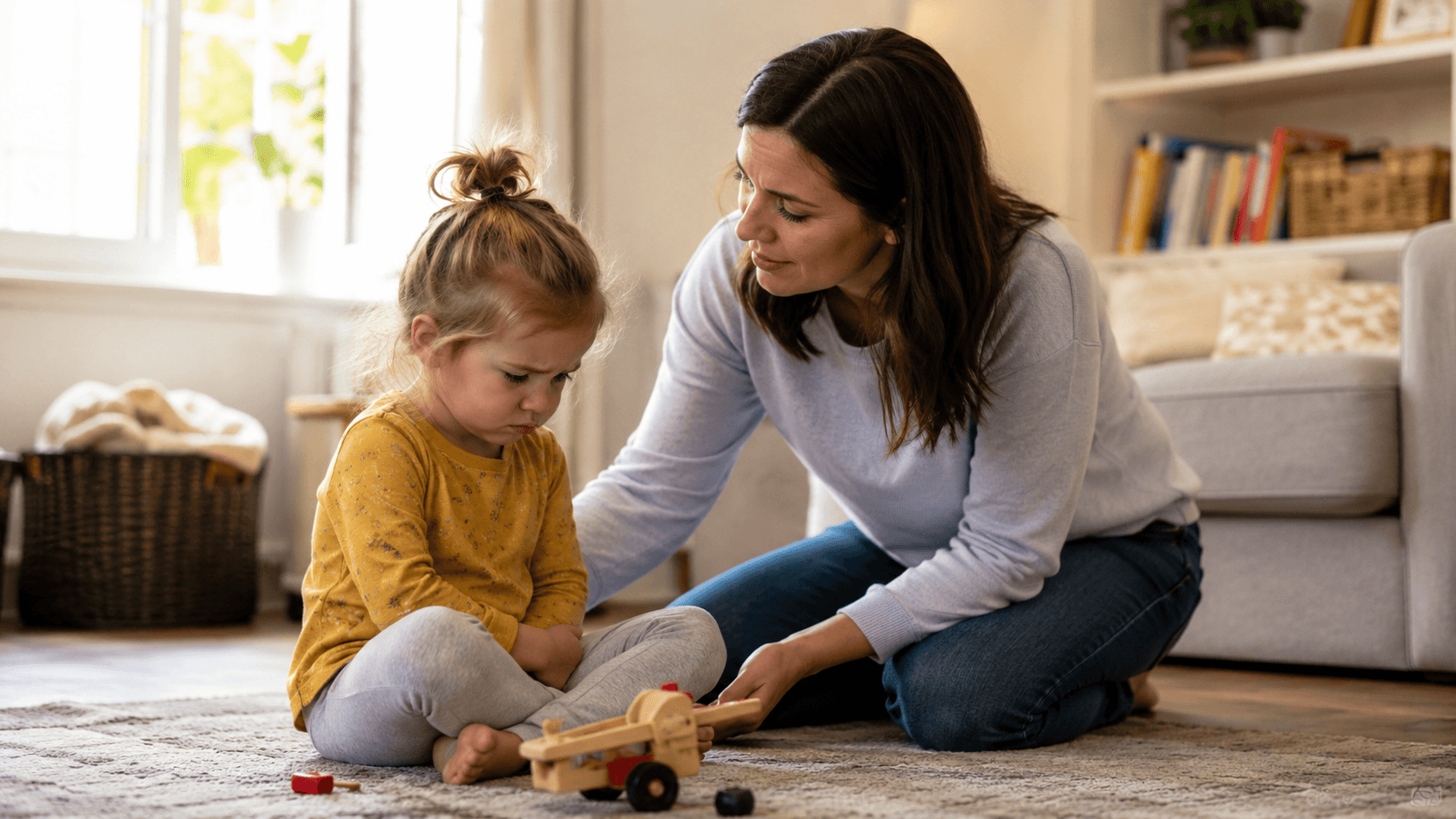
    Your calm presence is the anchor in their storm. If you react with anger or frustration, it can escalate the situation. Take a deep breath, count to ten, and remember that this moment will pass. Get down to their eye level.

    Acknowledge Their Feelings

    Even if the reason seems silly to you, the feeling is very real to them. Use simple words to validate their emotion. You could say, “I see you’re really upset that the biscuit broke,” or “It’s frustrating when the tower falls down.” This helps them feel heard and understood, which is the first step towards calming down.

    Offer Comfort, Not Negotiation

    Once you’ve acknowledged their feelings, offer a hug or a comforting touch if they allow it. Avoid trying to reason with them or negotiate in the heat of the moment. They’re not in a state to listen to logic. Your presence and comfort are what they need most.

    When to Step Back or Redirect

    Sometimes, a direct approach isn’t the best. Knowing when to give space or redirect can be incredibly effective.

    Give Them Space (If Safe)

    If your child is in a safe space and their tantrum isn’t harming anyone or anything, sometimes stepping back slightly can help. Let them have their moment, but stay close enough to ensure safety and offer comfort when they’re ready. This teaches them that while their feelings are valid, they need to process them.

    Redirect Their Attention

    For younger toddlers or less intense tantrums, redirection can work wonders. You might say, “Oh no, the biscuit broke! Look, can you help me find your favourite bear?” or “Let’s go look out the window for the doggy!” A change of scenery or a new, interesting activity can shift their focus.

    Offer Limited Choices

    Toddlers crave control. Giving them a choice, even a small one, can prevent a tantrum. Instead of “Put on your shoes,” try “Do you want to wear your red shoes or your blue shoes?” or “Do you want to eat your dal with a spoon or your hands?” This empowers them and reduces the feeling of being dictated to.

    Preventing Tantrums Before They Start

    While you can’t prevent every tantrum, you can certainly reduce their frequency and intensity by understanding and proactively addressing common triggers.

    Maintain a Routine

    Toddlers thrive on predictability. Consistent meal times, nap times, and bedtimes can significantly reduce meltdowns caused by hunger or fatigue. A well-rested, well-fed toddler is generally a happier toddler.

    Prioritise Sleep and Nutrition

    Ensure your child is getting adequate sleep for their age. Offer regular, nutritious meals and snacks. Foods rich in protein and complex carbohydrates, like ragi porridge, khichdi, paneer, or a small bowl of dal, can help stabilise blood sugar and mood. Keep healthy snacks like fruit or a handful of nuts handy for quick energy boosts.

    Teach Emotional Vocabulary

    Even before they can speak full sentences, you can start teaching your child words for emotions. You might ask, “Are you feeling angry?” or say, “That made you sad.” “You’re frustrated, aren’t you?” This helps them eventually express their feelings with words instead of outbursts. Read books about feelings and point out emotions in stories.

    Set Clear Boundaries and Follow Through

    Consistency is key. If you say “no,” mean “no.” Giving in after a tantrum teaches them that tantrums are effective. Boundaries provide a sense of security and help them understand what is expected. This doesn’t mean being rigid, but being predictable in your responses.

    When to Seek Help

    Most temper tantrums are a normal part of development and will lessen as your child grows and develops better communication skills. However, if tantrums are extremely frequent, last for a very long time, involve self-harm or harm to others, or if you feel overwhelmed and unable to cope, it’s always a good idea to speak with your paediatrician. They can offer guidance or refer you to a child development specialist.

    Navigating your toddler’s big temper tantrum over little things can feel like walking a tightrope, but remember, you’re building the foundation for their emotional intelligence. Your patience, empathy, and consistent approach are the most powerful tools you have. It’s perfectly normal for both of you to have tough days, and you’re doing a great job.

    As your baby grows, having easy access to daily essentials like baby food, diapers, personal care items, and parenting necessities can make routines smoother. Platforms like OZi help busy parents manage everyday needs more conveniently while focusing on what matters most, spending quality time with their little one.
    Frequently Asked Questions

    What is a normal age for toddler tantrums to peak?

    Toddler tantrums typically begin around 12-18 months, peak between 2 and 3 years of age, and then gradually decrease as children develop better language and emotional regulation skills. Some children may have more intense tantrums than others, but this general pattern is common.

    Should I ignore a toddler’s tantrum?

    Ignoring a tantrum isn’t always the best approach, especially if your child is seeking connection or feeling overwhelmed. While you shouldn’t give in to demands made during a tantrum, acknowledging their feelings and offering comfort (if they accept it) is often more effective than complete disregard.

    How long should a toddler tantrum last?

    Most tantrums last between 1 to 5 minutes. If a tantrum consistently lasts for 15 minutes or longer, or if your child is having more than five tantrums a day, it might be worth discussing with your paediatrician to rule out any underlying issues.

    What’s the difference between a tantrum and a meltdown?

    While often used interchangeably, a tantrum is usually goal-oriented (e.g., wanting a toy), and the child has some control over it. A meltdown, on the other hand, is an overwhelming response to sensory input or emotional overload, where the child has lost all control and cannot be reasoned with.

    When should I talk to my paediatrician about tantrums?

    You should consult your paediatrician if tantrums are very frequent (daily), extremely long (over 15 minutes), involve aggression towards self or others, or if you feel consistently overwhelmed and unable to cope. They can offer personalised advice and support.

  • STEM Education Meaning: Why It Matters & When to Start

    STEM Education Meaning: Why It Matters & When to Start

    As parents, we all want to equip our children with the best tools for a bright future. Sometimes, though, the world of education seems to evolve at lightning speed, leaving us wondering about new terms like “STEM.” If you’ve been hearing about STEM education and asking yourself, “What exactly is the stem education meaning, and why does it matter for my child in India?”, you’re not alone.

    It can feel like another thing to add to an already busy parenting plate, but understanding STEM doesn’t have to be complicated. It’s about more than just science and maths; it’s about fostering a way of thinking that benefits kids in every aspect of life. Here’s how to understand STEM and integrate it into your child’s world, right from the start.

    What is STEM Education Meaning? Beyond the Acronym

    STEM stands for Science, Technology, Engineering, and Mathematics. But really, the true meaning of STEM education goes way deeper than just these subjects. It’s an approach to learning that encourages kids to think critically, solve problems, come up with new ideas, and just be naturally curious about how the world works.

    Instead of teaching these subjects separately, STEM education brings them all together. It shows children how they connect in the real world. Think about building a bridge, for example. That involves physics (science), design software (technology), structural planning (engineering), and calculations (mathematics). STEM aims to get children ready for future careers that will increasingly rely on these combined skills.

    Why STEM is Crucial for Indian Children

    India is growing so fast, with a huge focus on innovation and technology. That means STEM skills are becoming absolutely essential. Giving our children a strong foundation in STEM doesn’t just open doors to specific jobs; it builds a certain way of thinking:

    • Problem-solving: Whether it’s fixing a broken toy or understanding big global issues, STEM teaches kids to tackle challenges step-by-step.
    • Critical thinking: It encourages them to ask questions, experiment, and check information, instead of just memorizing facts.
    • Creativity & Innovation: STEM isn’t only about logic; it’s also about imagining new solutions and inventing cool stuff.
    • Adaptability: The world changes super fast. STEM skills help children adjust to new technologies and challenges that come their way.

    When to Start STEM Activities for Kids: It’s Earlier Than You Think!

    You might think STEM is just for older kids or school, but that’s not really true. The cool thing about STEM is that its main ideas – curiosity, exploring, and problem-solving – are things young children do naturally. You can start introducing STEM concepts from the time they’re babies, not with textbooks, but through play and everyday moments.

    Infancy (0-12 Months): Sensory Exploration

    Even newborns are like tiny scientists! They learn by using their senses. Simple activities can actually set the stage for understanding STEM later on.

    • Science: Watching how things move, feeling different textures, listening to sounds.
    • Technology: Playing with musical toys or light-up objects that are safe for their age.
    • Engineering: Stacking soft blocks (even if they tumble down!), trying to grasp objects.
    • Math: Learning cause and effect (like, “if I shake this rattle, it makes noise”), or simple counting as you hand them toys.

    Toddlerhood (1-3 Years): Hands-on Discovery

    Toddlers are naturally curious little explorers. This age is perfect for introducing more structured (but still fun!) STEM activities.

    • Science: Going for nature walks, watching insects, or playing with water to see what floats and what sinks.
    • Technology: Figuring out simple switches, or playing with kid-friendly apps that involve shapes or colors.
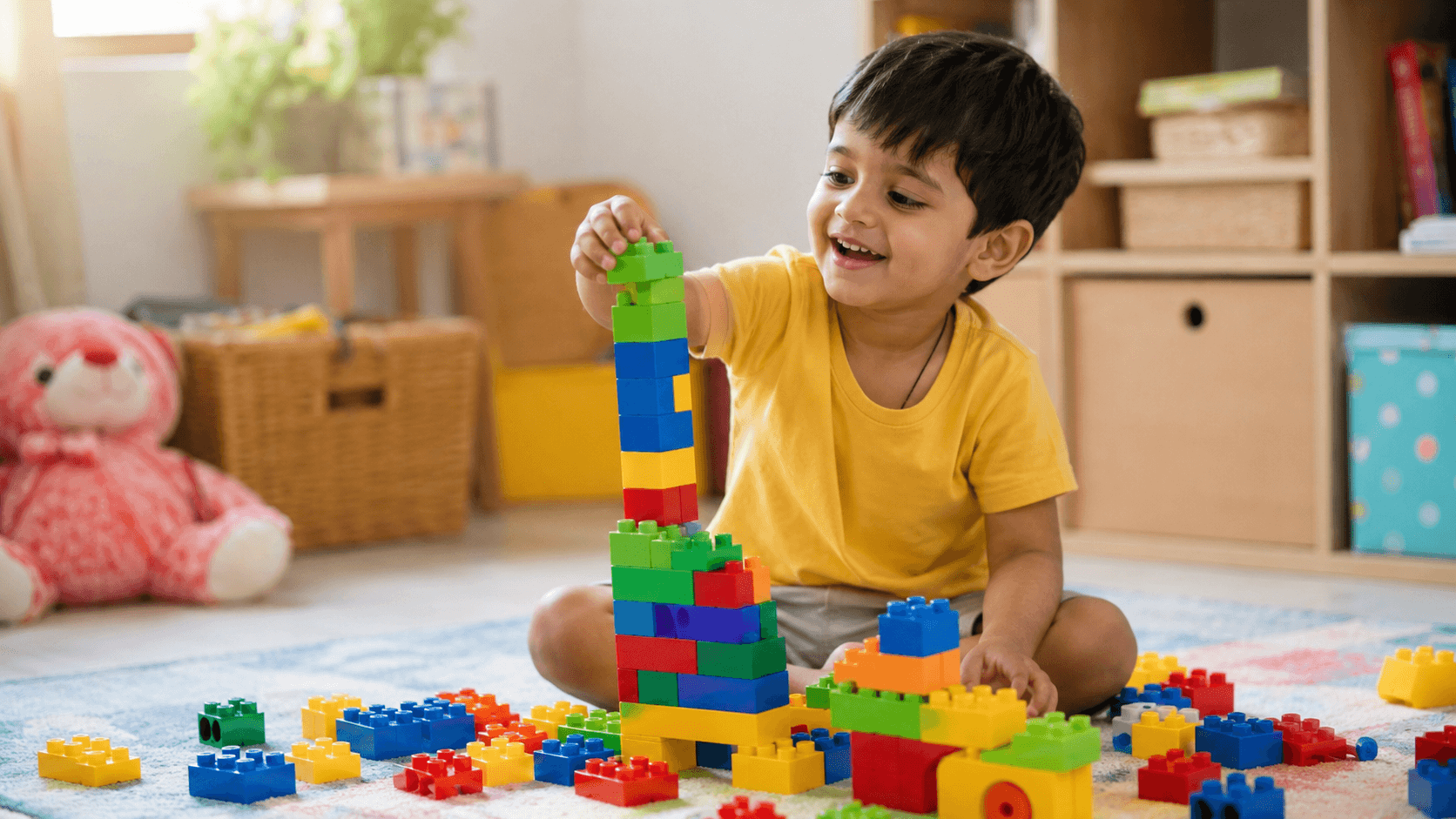
    • Engineering: Building towers with blocks, playing with connecting toys, or doing simple puzzles.
    • Math: Sorting toys by color or size, counting their fingers and toes, or understanding “more” or “less.”

    Engaging STEM Activities for Kids: Everyday Fun

    You don’t need fancy kits or expensive gadgets for STEM activities. Many can be done with things you probably already have at home. The main thing is to encourage them to explore and ask lots of open-ended questions.

    Kitchen Chemistry (Science & Math)

    Your kitchen is basically a science lab! Let your child help out with simple cooking tasks.

    • Best for: Toddlers and preschoolers.
    • The Activity: Baking cookies (measuring ingredients), making lemonade (mixing, watching things dissolve), or observing water boil or ice melt.
    • The Learning: Understanding measurements, how things change state, and cause and effect.
    • Easy ways to include it: Let them stir the dal, help measure out rice, or knead dough for roti.

    Building Challenges (Engineering & Math)

    Anything that involves building is a treasure trove for STEM learning.

    • Best for: All ages.
    • The Activity: Building a fort with blankets and pillows, making a ramp for toy cars, or constructing things with LEGOs or even cardboard boxes.
    • The Learning: Spatial reasoning, figuring out how to solve problems (like making something stable), and understanding balance and structure.
    • Easy ways to include it: Use empty Amul milk cartons or Mother Dairy curd cups for stacking.

    Nature Exploration (Science & Observation)

    The outdoors offers endless STEM opportunities.

    • Best for: All ages.
    • The Activity: Collecting leaves and sorting them, watching ants or birds, or planting a tiny seed and seeing it grow.
    • The Learning: Biology, how to classify things, life cycles, and observation skills.
    • Easy ways to include it: Point out different plants on your evening walk, chat about the weather, or collect pebbles.

    Simple Coding Games (Technology & Logic)

    You can introduce basic coding ideas without a screen for younger kids, or use age-appropriate apps for older ones.

    • Best for: Preschoolers and older.
    • The Activity: Playing “Robot Says” (give commands like “take two steps forward, turn right”), drawing mazes and tracing paths, or using coding apps made for kids.
    • The Learning: Thinking in sequences, problem-solving, and computational thinking.
    • Easy ways to include it: Use household items to set up a simple obstacle course and give your child directions to get through it.

    Why Healthy Foods for Kids Matter for STEM Minds

    A healthy body really helps create a healthy, curious mind. Just like you’re helping their brains grow with STEM activities, feeding them good food is just as important. Foods packed with omega-3s, iron, and protein support brain development and give them lasting energy – super important for concentrating and learning.

    • Ragi: This is a fantastic source of calcium and iron, both crucial for brain health and energy.
    • Dal & Paneer: Full of protein for growing bodies and minds.
    • Ghee: Healthy fats are essential for brain development.
    • Fruits & Vegetables: Provide those vital vitamins and minerals for overall well-being.

    Think of it like a well-oiled machine; a well-nourished brain is all set to dive into new STEM challenges with excitement.

    Introducing your child to the world of STEM doesn’t have to feel overwhelming or like extra homework. It’s really about nurturing their natural curiosity and giving them chances to explore, ask questions, and create. Remember, every baby develops differently, and the main goal is to help them love learning, not to push them into advanced concepts too soon.

    As your little one grows and their curiosity blossoms, having easy access to daily essentials like healthy snacks, educational toys, and personal care items can make routines smoother. Platforms like OZi help busy parents manage everyday needs more conveniently while focusing on what matters most: spending quality time with their little one and igniting their passion for discovery.

    Frequently Asked Questions

    What is the full form of STEM education?

    STEM stands for Science, Technology, Engineering, and Mathematics. It’s an educational approach that brings these four fields together to encourage critical thinking, problem-solving, and new ideas.

    Why is STEM education important for kids in India?

    STEM education is super important for Indian children because it gives them the skills they’ll need in our fast-changing, technology-driven world. It helps them think critically, be creative, and adapt easily, getting them ready for future jobs and challenges in a competitive global environment.

    At what age should I start introducing STEM concepts to my child?

    You can start introducing STEM concepts right from when they’re babies, through play and exploring. Simple things like watching objects, stacking blocks, or sorting toys by color actually build a foundation for understanding STEM later on.

    Do I need special kits for STEM activities for kids?

    Not at all! You can do many fun STEM activities using everyday items you already have at home. The main idea is to encourage curiosity, exploration, and asking open-ended questions, not to buy expensive equipment.

    How can I make STEM learning fun for my child?

    Make STEM fun by weaving it into their playtime and daily routines. Encourage hands-on activities like kitchen experiments, building with blocks, going for nature walks, and simple coding games. The key is to let them explore at their own pace and celebrate every discovery they make.

    Does STEM education only focus on academics?

    No, STEM education is much more than just school subjects. While it covers core topics, its main goal is to help kids develop a problem-solving mindset, critical thinking skills, creativity, and innovation. These are valuable in all parts of life, not just in school.

  • Gentle Parenting vs. Permissive Parenting: Why Boundaries Matter

    Gentle Parenting vs. Permissive Parenting: Why Boundaries Matter

    As new parents, we all want to raise happy, well-adjusted children. We often hear terms like “gentle parenting” and “positive discipline,” which sound wonderful, but sometimes it’s easy to confuse them with a hands-off approach. You might wonder if being too “gentle” means letting your child do whatever they want, leading to a common question: what’s the difference between gentle parenting vs permissive parenting?

    It’s a valid concern. Many parents worry about striking the right balance – being warm and responsive without becoming overly lenient. The truth is, while both approaches prioritize a loving connection, the presence (or absence) of clear boundaries is what truly sets them apart. Here’s how to understand this crucial distinction and empower your child effectively.

    Understanding Gentle Parenting: Connection with Clear Limits

    Gentle parenting is all about building a strong, respectful connection with your child, guiding them with empathy and understanding. It acknowledges that kids are still learning and growing, and often, what looks like “misbehavior” is just them trying to communicate an unmet need or a skill they haven’t quite mastered yet.

    At its heart, gentle parenting means responding to your child’s feelings and needs. It’s about helping them learn to manage their emotions and figure out how to solve problems. It’s not about avoiding consequences, but making sure those consequences are logical, respectful, and focused on teaching, not just punishing. Think of yourself as your child’s emotional coach, helping them navigate their big feelings and the world around them.

    Key Pillars of Gentle Parenting:

    • Empathy: Acknowledging and validating your child’s feelings, even if you don’t agree with their actions.
    • Respect: Treating your child as an individual with their own thoughts and feelings, and expecting the same respect in return.
    • Understanding: Trying to understand the “why” behind their behavior, rather than just reacting to the behavior itself.
    • Boundaries: Setting clear, consistent, and age-appropriate limits that are communicated kindly but firmly.

    Permissive Parenting: The Absence of Boundaries

    Permissive parenting, on the other hand, often means there aren’t many clear boundaries, rules, or expectations. Parents who lean this way are usually warm and responsive, just like gentle parents. But they tend to avoid confrontation and might give in to their child’s demands to keep the peace or prevent an upset. They might even believe that giving their child total freedom will help them be more creative and independent.

    While the intention is often good – wanting to avoid harsh discipline or just make their child happy – this approach can lead to challenges down the road. Kids raised in permissive environments often struggle with self-regulation, impulse control, and understanding social expectations. They might have a tough time following rules at school or elsewhere because they haven’t learned to respect limits at home.

    The Risks of Permissive Parenting:

    • Difficulty with self-control and emotional regulation.
    • Challenges respecting authority figures and rules.
    • Lower academic performance due to lack of structure.
    • Increased likelihood of engaging in risky behaviors later in life.

    Why Boundaries are Non-Negotiable for Healthy Development

    This is where the difference between gentle parenting vs permissive parenting really stands out. Boundaries aren’t about control; they’re about giving your child a safe, predictable framework where they can truly thrive. Imagine a child learning to walk – they need a stable floor, not a slippery slope. Boundaries are that stable floor.

    When you set clear, consistent boundaries, you’re teaching your child vital life skills. You’re showing them that the world has rules, that their actions have consequences, and that while their needs are important, so are the needs of others. This understanding helps them build emotional intelligence, resilience, and a strong sense of security.

    What Boundaries Teach Your Child:

    • Safety: “We hold hands in the parking lot so you stay safe.”
    • Respect: “We don’t hit our friends because it hurts them.”
    • Self-Regulation: “You can be upset, but we don’t throw toys.”
    • Responsibility: “It’s your job to put your clothes in the hamper.”
    • Structure: “Bedtime is at 8 PM so your body gets enough rest.”

    Setting Boundaries the Gentle Way

    So, how do you set boundaries without yelling or using punishments? It’s a balancing act, but you absolutely can be firm and kind at the same time. Remember, the goal is to teach, not to shame or scare.

    1. Be Clear and Consistent

    Kids do best with predictability. State your boundaries simply and clearly. For example, say, “We eat dinner at the table,” instead of, “Maybe we’ll eat at the table, if you want.” Once you set a boundary, stick to it. Being inconsistent just confuses kids and often leads to more power struggles.

    2. Explain the “Why” (Age-Appropriately)

    Instead of just saying “no,” explain the reason behind the boundary. “We don’t jump on the sofa because you could fall and get hurt.” For older children, you can even involve them in discussing the “why.” This helps them understand the logic and feel more invested in following the rule.

    3. Offer Choices (Within Limits)

    Giving choices empowers children and often reduces resistance. “Do you want to wear the blue shirt or the red shirt?” is better than just, “Are you going to get dressed now?” If it’s bedtime, asking, “Do you want to read one book or two before lights out?” gives them some control within the established limit.

    4. Use Natural and Logical Consequences

    Instead of punishment, focus on consequences that are directly related to the behavior. If your child refuses to put away their toys, a logical consequence might be that you put those toys away for a short time. If they spill milk because they were running, the natural consequence is they help clean it up. Keep consequences short-term and immediate for younger children.

    According to the Indian Academy of Pediatrics (IAP), positive discipline and clear boundaries are essential for fostering a child’s healthy emotional and social development.

    Empathy and Firmness: A Parent’s Nuskha

    Think of it like preparing a delicious dal – you need both the warmth of the spices and the structure of the lentils to make it just right. Similarly, gentle parenting requires both deep empathy and unwavering firmness. There will be days when your child pushes every button, and your patience wears thin. That’s perfectly normal. Take a deep breath, step back if you need to, and then reconnect with your child. “I see you’re upset that you can’t have another gulab jamun, and I understand it’s hard. But we’ve had enough for today.”

    This approach validates their feelings (“I see you’re upset”) while holding the boundary (“but we’ve had enough”). It teaches them that their feelings are okay, even when their desires can’t always be met. This is the heart of gentle discipline – guiding them through their emotions and teaching them how to navigate disappointment and limits respectfully.

    Finding the sweet spot between nurturing your child’s spirit and providing the structure they need doesn’t have to feel overwhelming. It’s a learning process for both you and your little one, and every family finds their unique rhythm. Remember, you’re building a foundation of trust and respect that will last a lifetime.

    As your family grows and changes, having easy access to daily essentials like baby food, diapers, personal care items, and parenting necessities can make routines smoother. Platforms like OZi help busy parents manage everyday needs more conveniently while focusing on what matters most, spending quality time with their little one.
    Frequently Asked Questions

    What is the main difference between gentle parenting and permissive parenting?

    The main difference comes down to boundaries. Gentle parenting combines empathy and connection with clear, consistent boundaries and expectations, which helps children learn self-regulation. Permissive parenting is also warm and loving, but it lacks firm boundaries, often leading to children struggling with self-control and respecting rules.

    Can gentle parenting lead to spoiled children?

    No, not if you practice it correctly. Gentle parenting, when paired with clear and consistent boundaries, actually teaches children respect, empathy, and self-control. Kids often get “spoiled” from a lack of boundaries, not from empathy or connection.

    How do I set boundaries without being harsh?

    Set boundaries clearly and calmly. Explain the “why” in a way your child can understand, offer limited choices, and use natural or logical consequences instead of punishment. The key is to be firm about the boundary but kind and empathetic in how you deliver it.

    Is it ever okay to say “no” as a gentle parent?

    Absolutely! Saying “no” is a crucial part of setting boundaries in gentle parenting. The difference is how you say it – with empathy and a brief explanation, rather than just a harsh, unexplained refusal. For example, “No, we can’t have another biscuit right now; we’ll have dinner soon.”

    What if my child throws a tantrum after I set a boundary?

    Tantrums are a normal part of a child’s development, especially when they hit a limit they don’t like. With gentle parenting, you acknowledge their feelings (“I see you’re really angry right now”) while still holding the boundary. Stay calm, offer comfort, and let them process their emotions without giving in to their demand.

    How can I be consistent with boundaries when I’m exhausted?

    Consistency is tough, especially when you’re tired. Try to pick a few key boundaries that are non-negotiable for your family and focus on those first. Get your partner or other caregivers on board so everyone is on the same page. Remember, even imperfect consistency is better than none at all.

  • Toddler Scooter: Pros, Cons & What to Look For

    Toddler Scooter: Pros, Cons & What to Look For

    As your little one grows from wobbly steps to confident strides, you might start eyeing those adorable toddler scooters zipping around the park. It’s natural to wonder if a toddler scooter is the right next step for your child’s outdoor adventures. You want them to have fun, develop their skills, and most importantly, stay safe.

    The idea of a scooter can bring up questions: Is it too early? Will they actually use it? And what kind should you even look for? It doesn’t have to feel overwhelming. Let’s explore the pros, cons, and key features to help you decide if a scooter is a good fit for your busy bee.


    Why Consider a Toddler Scooter? The Benefits of Scooting

    Beyond just being a fun toy, a scooter offers some great developmental advantages for young children. When you see a child expertly maneuvering their scooter, you’re watching a lot of physical and cognitive work in action.

    Physical Development

    • Gross Motor Skills: Scooting really helps fine-tune balance, coordination, and agility. Pushing off with one foot while balancing on the other is a complex movement that builds leg strength and control.
    • Balance: Unlike a bicycle with training wheels, a scooter demands constant balance adjustments. This is fantastic for building core strength and proprioception (that’s your body knowing where it is in space).
    • Coordination: Steering, pushing, and stopping all require hand-eye and foot-eye coordination, helping toddlers learn to multi-task their movements.

    Cognitive and Emotional Growth

    • Spatial Awareness: Kids learn to judge distances, get around obstacles, and understand where they are compared to everything else.
    • Independence and Confidence: Mastering a scooter gives toddlers a huge sense of accomplishment and really boosts their self-esteem. They gain a new way to explore their world on their own terms.
    • Outdoor Play: Scooting encourages active outdoor time, which is super important for overall health, getting enough vitamin D, and burning off that endless toddler energy!

    Are Scooters Safe for Toddlers? Addressing Your Concerns

    Safety is always top of mind for parents, especially with toys that move fast. Any activity has some risk, but picking the right scooter and following safety rules can really cut down on potential hazards. Many parents wonder, “Are scooters safe for toddlers?” The answer really depends on the scooter type and how it’s used.

    Common Concerns & The Safe Way

    • Falls and Injuries: Toddlers are still figuring out their coordination, so falls are definitely going to happen. The main thing is to reduce the impact.
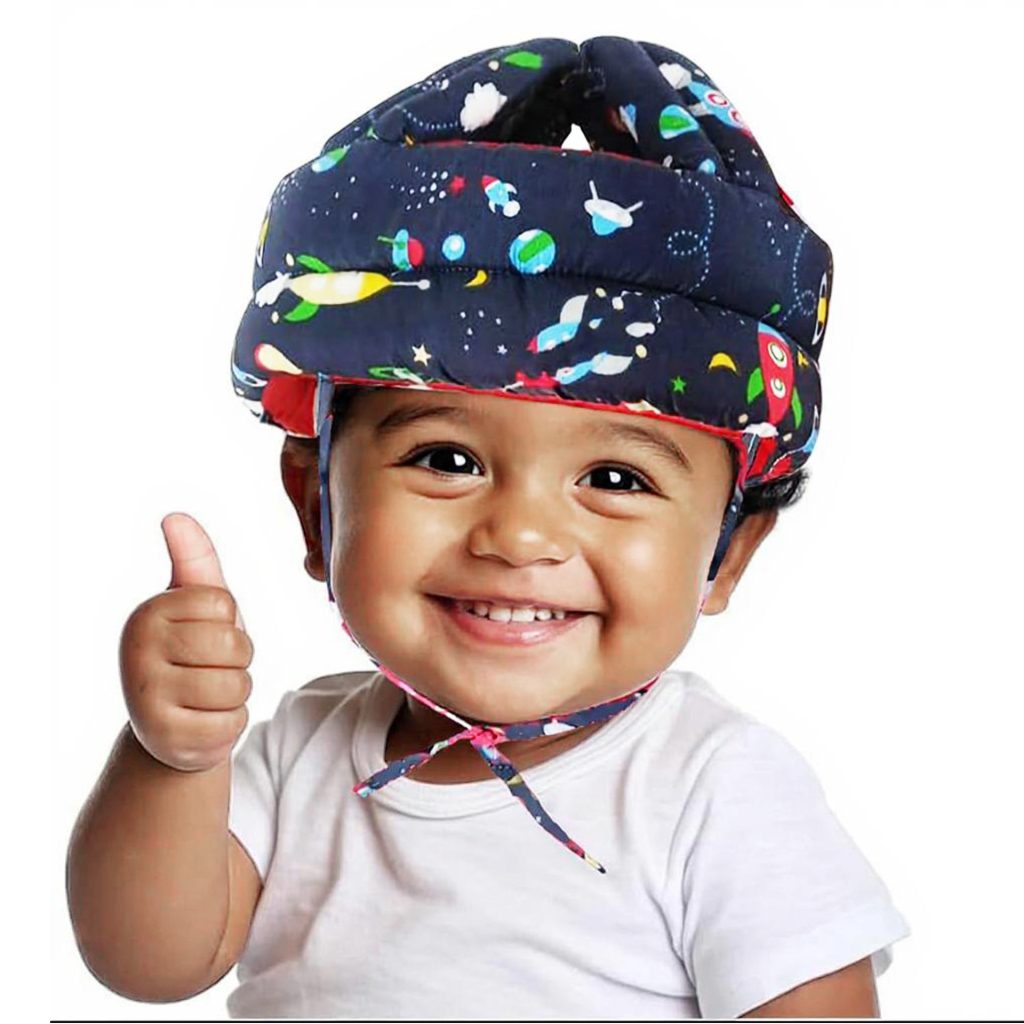
      • The Safe Way: Always use proper safety gear, especially a helmet that fits well. Make sure they ride in a safe, flat, open area away from traffic.
    • Speed Control: Some scooters can get pretty fast, which can be scary for little ones.
      • The Safe Way: Start with a scooter made for toddlers; these often go slower and have easier brakes. Watch them closely, especially at first.
    • Overwhelm: A two-wheeled scooter might be too tricky for a very young toddler, leading to frustration.
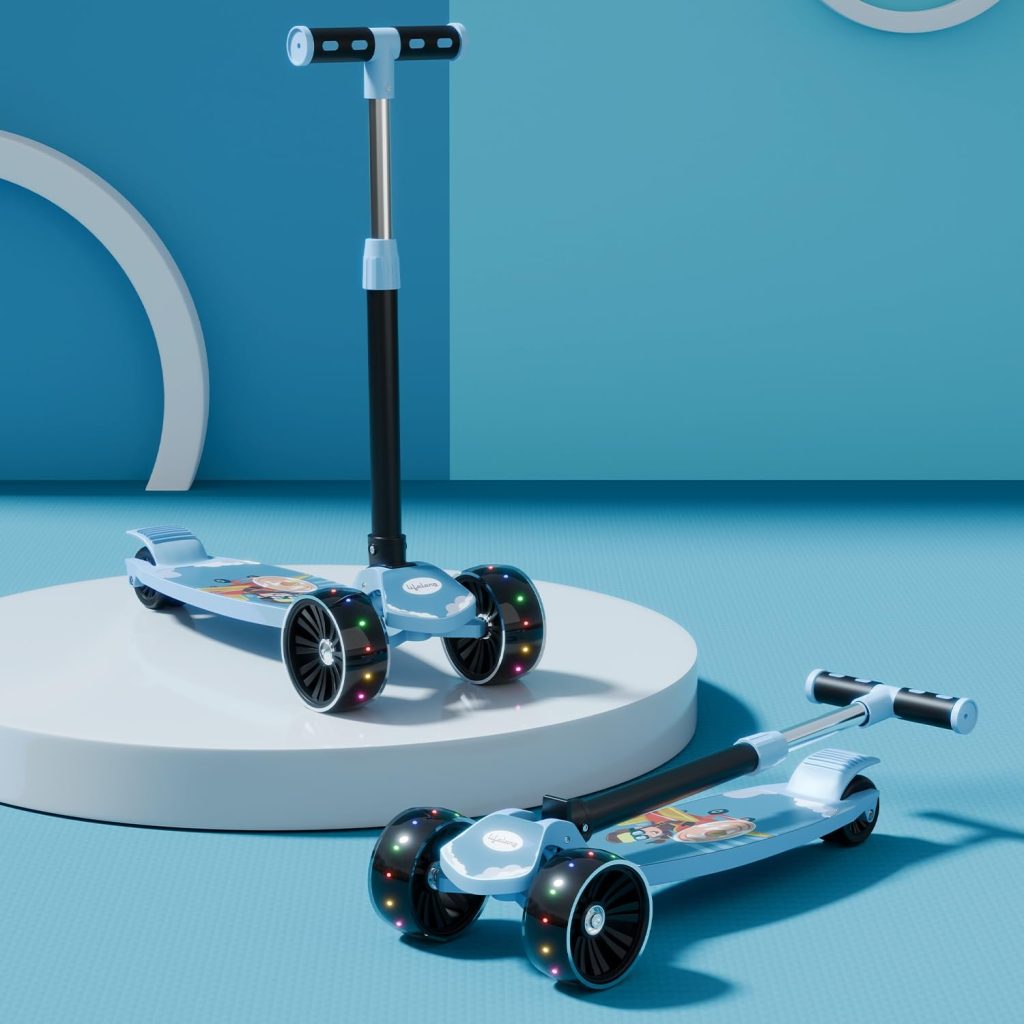
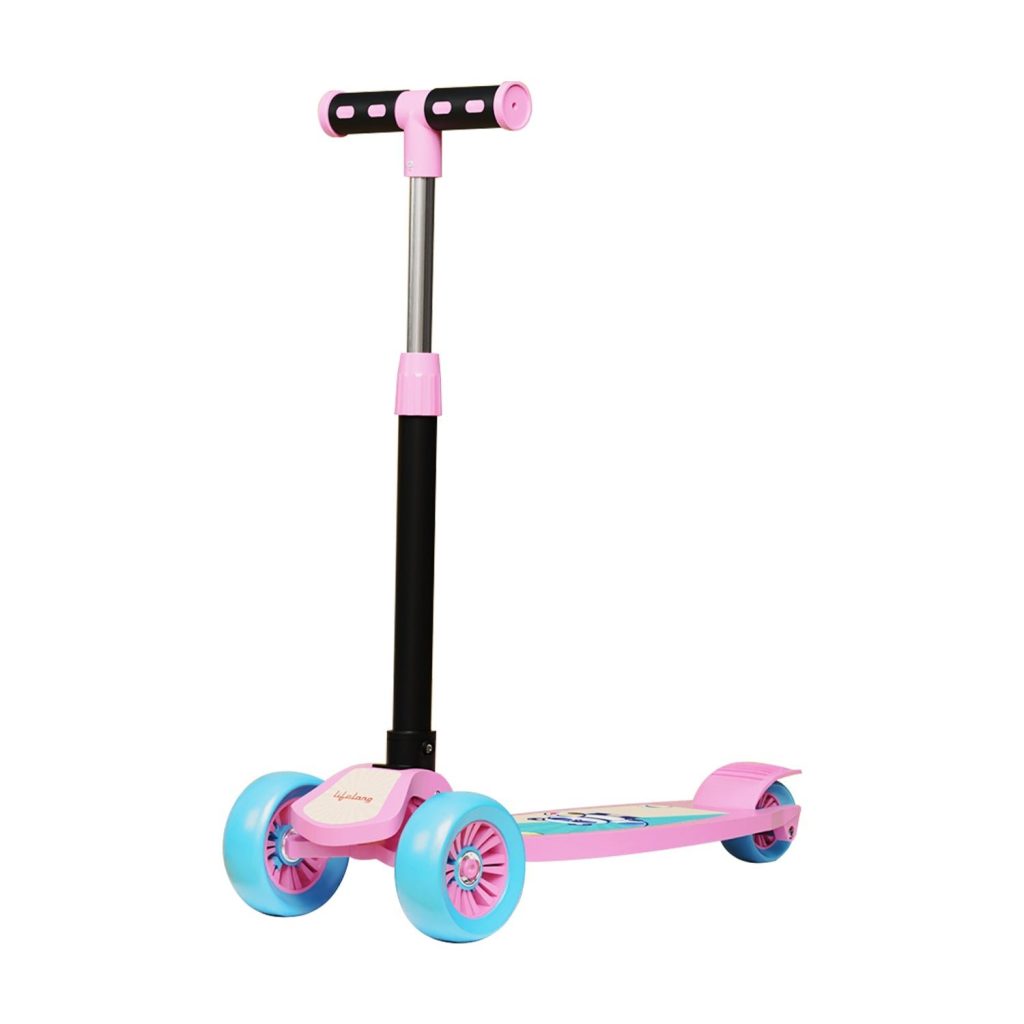
      • The Safe Way: Go for a 3 wheel scooter kids can easily manage. These are much more stable and help build confidence before they move on to two wheels.


    What to Look For: Choosing the Best Scooter for 2 Year Olds

    When you’re ready to buy, the market has tons of options. Focusing on a few key features will help you pick the best scooter for 2 year old that’s both fun and safe.

    1. Three-Wheeled Design (Kick Scooter)

    For toddlers, a three-wheeled scooter is almost always the best choice. These are way more stable than two-wheeled models, making it much easier for young children to balance and get the hang of scooting.

    • Best for: Building confidence, early balance development, and fewer falls.
    • Look for: Two wheels at the front and one at the back (or vice-versa), often with a wide deck so they can stand steadily.

    2. Lean-to-Steer vs. Handlebar Steering

    This is a big difference for really young riders.

    • Lean-to-Steer: Your child steers by leaning their body. This feels super intuitive and helps them develop balance and gross motor skills. It’s a lot like balancing on a skateboard.
      • Best for: Toddlers (2-4 years old), as it promotes natural balance.
    • Handlebar Steering: Just like a bicycle, turning the handlebars makes the front wheel turn.
      • Best for: Older preschoolers (3-5 years) who have already mastered balance and are ready for more precise control.

    3. Adjustable Handlebars

    Toddlers grow fast! Adjustable handlebars mean the scooter can grow with your child, making sure they have a comfortable and ergonomic riding position for longer.

    • Best for: Making the scooter last, and good posture.
    • Look for: Mechanisms that are easy to adjust and lock securely in place.

    4. Sturdy, Lightweight Construction

    You want a scooter that can handle typical toddler play but isn’t too heavy for them to manage, or for you to carry when they inevitably get tired.

    • Best for: Durability, and easy handling for your child.
    • Look for: High-quality plastic or aluminum frames.

    5. Good Brakes (or Foot Braking)

    For a toddler scooter, a simple foot brake over the rear wheel usually works perfectly and is easier for little ones to learn than hand brakes.

    • Best for: Safe stopping, and easy learning.
    • Look for: A wide, accessible foot brake that they can press down easily.

    Teaching Your Toddler to Scooter: Tips for Success

    Once you’ve chosen the perfect scooter, it’s time for the fun part! Here’s how to introduce it safely and effectively.

    1. Start with Safety Gear

      Before they even touch the scooter, put on their helmet. Make this a non-negotiable rule from day one. You might also want to consider knee and elbow pads, especially for beginners.

    2. Find a Safe, Flat Space

      A smooth, level surface like a paved driveway, a quiet park path, or even an empty community hall is ideal. At first, steer clear of hills, busy areas, or bumpy ground.

    3. Demonstrate and Encourage

      Show them how to stand on the deck, push off with one foot, and use the brake. Let them try at their own pace. Don’t push too hard; some toddlers might just want to walk with it for a bit.

    4. Supervise Closely

      Always be there and pay attention. Stay close enough to lend a hand or catch them if they wobble. And celebrate every little win!

    5. Keep it Fun and Short

      Toddlers have short attention spans. Keep those first sessions brief and always end on a good note. The main goal is for them to enjoy it, not to become an expert right away.

    Ultimately, a toddler scooter can be a fantastic way for your little one to play outdoors, develop physically, and build confidence. By picking a stable, age-appropriate model like a 3 wheel scooter kids can easily manage, and making safety a priority with a helmet and supervision, you can turn any worries into joyful memories. Every child develops at their own pace, so introduce it when they seem ready and let them lead the way.

    As your baby grows, having easy access to daily essentials like baby food, diapers, personal care items, and parenting necessities can make routines smoother. Platforms like OZi help busy parents manage everyday needs more conveniently while focusing on what matters most, spending quality time with their little one.
    Frequently Asked Questions

    What age is a scooter suitable for?

    Most manufacturers suggest scooters for children aged 2 years and up. However, it really depends on your child’s individual development, balance, and coordination. Some children might be ready at 18 months, while others might prefer to wait until 3.

    What type of scooter is best for a 2 year old?

    For a 2-year-old, a three-wheeled kick scooter with a lean-to-steer mechanism is generally the best choice. It offers excellent stability and helps them develop balance naturally without the complexity of traditional steering.

    Are 2-wheel scooters safe for toddlers?

    Two-wheel scooters aren’t usually recommended for toddlers because they need much more balance and coordination. It’s best to start with a three-wheeled model to build confidence and skills before moving to two wheels, typically around ages 4-5.

    What safety gear is essential for a toddler on a scooter?

    A helmet that fits well is absolutely essential. On top of that, knee pads and elbow pads are highly recommended, especially when your toddler is just starting out, to protect against scrapes and bumps from falls.

    How can I encourage my toddler to use their scooter?

    Start by showing them how to use it yourself. Make it a fun, low-pressure activity. Pick a safe, flat area and praise their efforts, no matter how small. Keep sessions short and positive, and remember that some children just take more time to get comfortable with new activities.

    What are the benefits of scooting for toddlers?

    Scooting offers lots of benefits, including better gross motor skills, improved balance and coordination, increased spatial awareness, and a boost in confidence and independence. It also encourages active outdoor play, which is vital for overall health.

  • Safe Baby Sleep Guide: TOG Ratings, Swaddles & Sleep Sacks Explained

    Safe Baby Sleep Guide: TOG Ratings, Swaddles & Sleep Sacks Explained

    Welcoming a new baby comes with countless questions especially around sleep. From understanding TOG ratings to choosing between swaddles for newborns and baby sleep sacks, many parents find themselves wondering what’s actually safest and most comfortable for their baby.

    Should your baby wear a sleep sack in summer? What’s the right room temperature? Is swaddling always safe? And how do you know if your baby is too hot or too cold at night?

    This safe baby sleep guide breaks it all down in simple terms. We’ll explain what a TOG rating is, how to dress your baby for sleep, the difference between swaddles and sleep sacks, and the safest baby sleep practices to follow during those important early months. The good news? Safe baby sleep doesn’t have to be complicated. With the right sleepwear, room temperature, and setup, bedtime can feel much more manageable.

    What is a TOG Rating?

    If you’ve been shopping for baby sleepwear, you’ve probably seen terms like 1.0 TOG or 2.5 TOG and wondered what they mean. TOG (Thermal Overall Grade) is a measurement used to show how warm a fabric or baby sleep product is. Simply put, the higher the TOG number, the warmer the material.

    Understanding TOG ratings explained can help parents choose appropriate sleepwear without over-layering or overheating their baby.

    Instead of piling on blankets, which are not recommended for infants, many parents use TOG-rated swaddles or sleep sacks to maintain a safe and comfortable sleep temperature.

    Here’s a simple guide to common TOG ratings:

    • 0.2–0.5 TOG: Best for hot summer nights and warm rooms, helping keep babies cool and comfortable.
    • 1.0 TOG: Ideal for mild or moderate temperatures, making it a versatile everyday option.
    • 2.5 TOG: Suitable for cooler rooms and winter evenings, offering extra warmth and comfort.
    • 3.5 TOG: Designed for very cold conditions, providing maximum warmth during colder months.

    Remember: room temperature matters more than the season outside. A rainy evening may feel warm indoors, while air-conditioned rooms in summer may still require warmer sleepwear.

    Baby Sleep Temperature Guide: What’s the Ideal Room Temperature?

    One of the biggest concerns parents have is making sure their baby is neither too hot nor too cold. Most sleep experts recommend keeping a baby’s room between 16–20°C for safe and comfortable sleep. A useful rule of thumb is: Dress your baby in one light layer more than what an adult would comfortably wear in the same room.

    If your baby seems sweaty around the neck or chest, has flushed cheeks, or damp hair, they may be too warm. On the other hand, cold hands and feet are often completely normal and don’t always indicate discomfort. This baby sleep temperature guide can help:

    Warm Rooms (24°C+)

    • Lightweight cotton onesie
    • 0.2–0.5 TOG sleepwear

    Moderate Temperatures (20–24°C)

    • Cotton sleepsuit
    • 1.0 TOG sleep sack or swaddle

    Cooler Rooms (16–20°C)

    • Long-sleeve bodysuit
    • 2.5 TOG sleep sack

    Very Cold Conditions

    • Layered sleepwear with 3.5 TOG products if needed
    • Avoid heavy blankets in the crib

    Keeping your baby comfortable without overheating is one of the key parts of safe sleep for babies.

    Swaddles for Newborns: Why Babies Love Them

    Swaddling has been used for generations because many newborns naturally feel calmer when wrapped snugly. A swaddle recreates the cozy, secure feeling of the womb and helps reduce the startle reflex (Moro reflex) that can wake babies suddenly during sleep.For many families, swaddles for newborns can help babies settle faster and sleep for slightly longer stretches especially during the first few months.

    Benefits of Swaddling

    • Helps calm the startle reflex
    • Creates a cozy, womb-like feeling
    • May help newborns settle faster
    • Can improve short sleep stretches

    However, safe swaddling matters.The swaddle should feel snug around the chest but remain loose around the hips and legs to allow healthy movement. Breathable fabrics such as cotton or muslin are usually preferred because they help regulate body temperature.

    Most importantly, swaddling is only meant for the newborn phase. Once babies begin showing signs of rolling over, often between 2 to 4 months parents should stop swaddling immediately. Sleep recommendations can vary depending on a baby’s age and health needs, so it’s always a good idea to consult your pediatrician if you’re unsure.

    Baby Sleep Sacks: A Safer Alternative to Blankets

    As babies grow more active, baby sleep sacks often become the next step after swaddling. A sleep sack is essentially a wearable blanket that stays securely on your baby throughout the night. Unlike loose bedding, which can bunch up or move around, sleep sacks stay in place and are often considered a safer sleep option.

    Benefits of Baby Sleep Sacks

    • Reduce the need for loose blankets
    • Help maintain a comfortable temperature
    • Allow arm movement for growing babies
    • Support safer sleep habits
    • Stay securely on during the night

    Many parents continue using sleep sacks beyond infancy because they help maintain sleep routines and prevent babies from kicking blankets away.
    When choosing a sleep sack, look for:

    • The correct TOG rating
    • Breathable fabric
    • A snug but comfortable neck and arm fit
    • Proper sizing for your baby’s age

    A well-fitted sleep sack should never ride up over a baby’s face.

    Swaddle vs Sleep Sack: What’s the Difference?

    Many new parents wonder about swaddle vs sleep sack, and the answer usually depends on your baby’s age and development stage.

    Swaddle

    Best for: Newborns (0–3 months)

    • Restricts arm movement gently
    • Helps calm newborn reflexes
    • Creates a womb-like feeling
    • Ideal during the earliest months

    Sleep Sack

    Best for: Babies who can roll or move more freely

    • Allows natural arm movement
    • Supports safer mobility during sleep
    • Keeps babies warm without blankets
    • Suitable for longer-term use

    A simple rule: swaddles for newborns, sleep sacks for growing babies.

    Safest Baby Sleep Practices Every Parent Should Follow

    Following a few simple habits can make a big difference when it comes to safe sleep for babies.

    Safest Baby Sleep Practices

    • Always place babies on their back to sleep
    • Use a firm mattress with a fitted sheet
    • Avoid pillows, cushions, and loose blankets
    • Keep soft toys out of the crib
    • Maintain a comfortable room temperature
    • Stop swaddling once rolling begins
    • Use breathable sleepwear suitable for the season

    The safest crib setup is usually the simplest one.

    1. Common Baby Sleep Mistakes Parents Should Avoid

    Even loving, careful parents sometimes make sleep mistakes without realizing it.

    1. Overdressing Babies

    Babies don’t regulate body temperature as efficiently as adults. Too many layers can quickly cause overheating.

    1. Using Loose Blankets

    Blankets may feel cozy, but they are not recommended for infant sleep because they can shift during the night.

    1. Continuing to Swaddle Too Long

    Once babies begin attempting to roll, it’s time to transition to arm-free sleepwear.

    1. Dressing for Weather Instead of Room Temperature

    Indoor conditions matter far more than outdoor weather. Air conditioning, heaters, and fans can all change how warm your baby feels.

    How to Choose the Right Baby Sleepwear

    Choosing the right baby sleepwear guide often comes down to three things:

    1. Your Baby’s Age: Newborns may benefit from swaddles, while older babies are often safer in sleep sacks.

    2. Room Temperature: Use TOG ratings to match indoor conditions.

    3. Comfort & Breathability: Look for lightweight, soft fabrics like cotton or muslin that support airflow.

    Creating a safe sleep setup for your baby doesn’t have to feel overwhelming. Understanding TOG ratings, knowing the difference between swaddles for newborns and baby sleep sacks, and following simple sleep safety practices can help make bedtime easier for both babies and parents.

    Every baby develops differently, and what works during the newborn stage may change quickly over the next few months. Staying flexible and paying attention to your baby’s comfort can go a long way.

    At OZi, we offer a wide range of baby essentials, sleepwear, newborn care products, and everyday parenting must-haves, all delivered to your doorstep in minutes, whenever you need them.

    Frequently Asked Questions 

    What does TOG mean in baby sleepwear?

    TOG stands for Thermal Overall Grade, which measures how warm a fabric or sleep product is. Higher TOG ratings provide more warmth.

    Are sleep sacks safer than blankets?

    Yes. Baby sleep sacks are generally considered safer because they stay securely on the baby and reduce risks associated with loose blankets.

    When should parents stop swaddling?

    Parents should stop swaddling as soon as babies begin attempting to roll over, usually between 2–4 months.

    What room temperature is safest for baby sleep?

    Most experts recommend keeping a baby’s room between 16–20°C for comfortable sleep.

  • The Ultimate Newborn Essentials Checklist for First-Time Parents

    The Ultimate Newborn Essentials Checklist for First-Time Parents

    Preparing for a newborn can feel exciting, overwhelming, and sometimes downright confusing, especially for first-time parents. With endless baby product recommendations online, it’s easy to wonder: What do you actually need for a newborn?

    The truth is, babies need surprisingly simple things in the beginning: comfort, feeding, sleep, hygiene, and lots of care. Instead of buying everything at once, having a practical newborn essentials checklist can help you focus on what truly matters.

    This guide covers all the things you need for a newborn, organized into easy categories to simplify shopping and preparation. We’ll also explain how your baby’s needs evolve during rapid developmental phases in the first six months so you can plan smarter instead of overbuying.

    Why You Need a Newborn Essentials Checklist

    Newborns grow quickly, and their needs change fast. The goal isn’t to buy everything, it’s to buy the right things. A well-planned newborn essentials list helps parents:

    • Avoid unnecessary purchases
    • Stay organized before delivery
    • Prepare for feeding, diapering, sleep, and hygiene
    • Save money by buying only what’s useful
    • Feel more confident during the first few weeks

    The Ultimate Newborn Essentials Checklist

    From feeding to diaper and clothing essentials this list covers everything you might need as a first time parent. Here’s a complete baby checklist for first-time parents.

    1. Feeding Essentials

    Whether breastfeeding, formula feeding, or doing both, feeding supplies quickly become everyday necessities.

    Must-Have Feeding Essentials

    • Baby bottles (4–6 to start)
    • Bottle cleaning brush
    • Sterilizer or sterilizing solution
    • Burp cloths
    • Bibs
    • Nursing pillow (if breastfeeding)
    • Breast pump (optional)
    • Milk storage bags
    • Formula (if recommended)

    Pro tip: Start small. Babies often develop preferences for bottle nipples or feeding styles.

    2. Diapering Essentials

    Diapers are one thing you’ll use a lot of in the first few months. 

    Must-Have Diapering Items

    • Newborn diapers (avoid overstocking newborn size)
    • Baby wipes
    • Diaper rash cream
    • Changing mat or changing station
    • Diaper disposal bags
    • Soft washcloths

    Pro tip: Babies outgrow newborn diapers surprisingly quickly, so buy moderate quantities initially.

    3. Clothing Essentials

    Babies need comfortable, breathable clothing that’s easy to change. Choose soft cotton fabrics and prioritize comfort over style.
    Things you need for a newborn wardrobe

    • Cotton bodysuits/onesies (6–8)
    • Sleep suits or rompers 
    • Mittens and socks
    • Caps or hats
    • Swaddles
    • Soft blankets
    • Seasonal outerwear if needed

    4. Sleep Essential

    Safe sleep is one of the biggest priorities for newborn care.
    Newborn Sleep Checklist

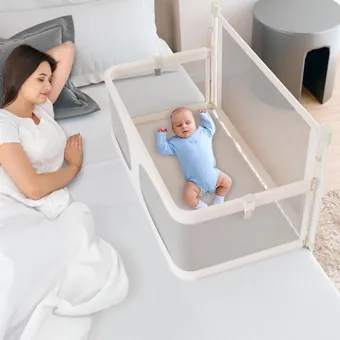
    • Crib, bassinet, or co-sleeper
    • Firm newborn mattress
    • Fitted crib sheets
    • Lightweight swaddles
    • White noise machine (optional)
    • Baby monitor (optional)

    Important: Avoid pillows, heavy blankets, or stuffed toys inside the sleeping space.

    5. Bath & Hygiene Essentials

    Newborn skin is delicate, so simple and gentle products work best. Stick to fragrance-free products whenever possible.
    Baby Hygiene Checklist

    • Baby bathtub
    • Mild baby body wash
    • Gentle shampoo
    • Soft towels with hood
    • Cotton towels or washcloths
    • Baby nail clipper
    • Baby lotion (if needed)

    6. Health & Safety Essentials

    A few practical items can make unexpected situations easier to manage.
    Baby Safety Checklist

    • Digital thermometer
    • Infant medicine dropper
    • Nasal aspirator
    • First-aid basics
    • Baby-safe laundry detergent

    Having these ready before birth can reduce stress later.

    7. Travel Essentials

    Even short trips become easier with the right gear.
    On-the-Go Essentials

    • Diaper bag
    • Car seat
    • Baby carrier
    • Lightweight stroller
    • Portable changing pad

    8. Optional But Helpful Newborn Essentials

    These aren’t mandatory, but many parents find them useful:

    • Bottle warmer
    • Pacifiers
    • Rocking chair
    • Baby swing
    • Play mat
    • Storage organizers

    Remember: every baby is different. What feels essential for one family may not matter for another.

    Understanding Baby Growth: Why Needs Change Fast

    One thing many first-time parents don’t realize is that infant development happens in rapid phases. Your baby’s needs during the first few months can change quickly, which is why it’s helpful to avoid overbuying newborn-only products.

    0–3 Months: The Newborn Phase

    In the first three months, babies mostly sleep, feed, and gradually adjust to the outside world.

    Key Developmental Changes

    • Frequent feeding every few hours
    • Longer sleep cycles begin forming
    • Gentle sensory awareness develops
    • Increased diaper use
    • Rapid physical growth

    Essentials You’ll Use Most

    • Diapers and wipes
    • Feeding supplies
    • Swaddles and sleepwear
    • Burp cloths
    • Soft clothing

    This stage is all about comfort, sleep, feeding, and routine.

    3–6 Months: Growing and Exploring

    By three months, babies become more active, curious, and physically engaged.

    Key Developmental Changes

    • Better head and neck control
    • Increased movement and kicking
    • Longer wake windows
    • More sensory stimulation
    • Beginning tummy time

    New Essentials You May Need

    • Activity mats
    • Teething toys
    • Slightly larger clothing sizes
    • Developmental toys
    • More structured sleep accessories.

    Common Mistakes First-Time Parents Make

    • Buying Too Many Newborn Clothes
    • Babies outgrow newborn sizes quickly.
    • Overstocking One Diaper Brand
    • Different babies respond differently to diapers.
    • Buying Every “Must-Have” Gadget
    • Not every trending baby product is necessary.

    Preparing for a baby doesn’t mean buying everything, it means buying smart. A practical newborn essentials checklist helps first-time parents feel more prepared while avoiding unnecessary spending.

    As your baby grows through rapid milestones from 0–3 months to 3–6 months, their needs will naturally evolve. Starting with the basics and adjusting as you go can make parenting feel much less overwhelming.

    At OZi, we understand that parenting comes with enough surprises already. That’s why we offer a wide range of baby care products, diapers, wipes, feeding essentials, household needs, and everyday essentials, all delivered in minutes, right when you need them. Shop smart, stay prepared, and make parenting a little easier. 

    Frequently Asked Questions

    What are the most important newborn essentials?

    Diapers, wipes, feeding supplies, clothing, sleep essentials, baby bath products, and health basics are among the most important newborn essentials.

    How many clothes does a newborn need?

    Around 6–8 onesies, a few sleepwear sets, socks, mittens, caps, and swaddles are usually enough to start.

    What things do you need for a newborn immediately?

    Feeding supplies, diapers, wipes, clothing, a safe sleep space, and bath essentials are needed immediately after birth.

    Should I buy newborn or 0–3 month sizes?

    A mix of both is ideal because babies grow quickly and may outgrow newborn sizes sooner than expected.

    When should I start buying newborn essentials?

    Many parents begin preparing their newborn essentials list during the second trimester to avoid last-minute stress.

  • Crib vs. Cot: What’s the Difference & Which is Best for Your Baby?

    Crib vs. Cot: What’s the Difference & Which is Best for Your Baby?

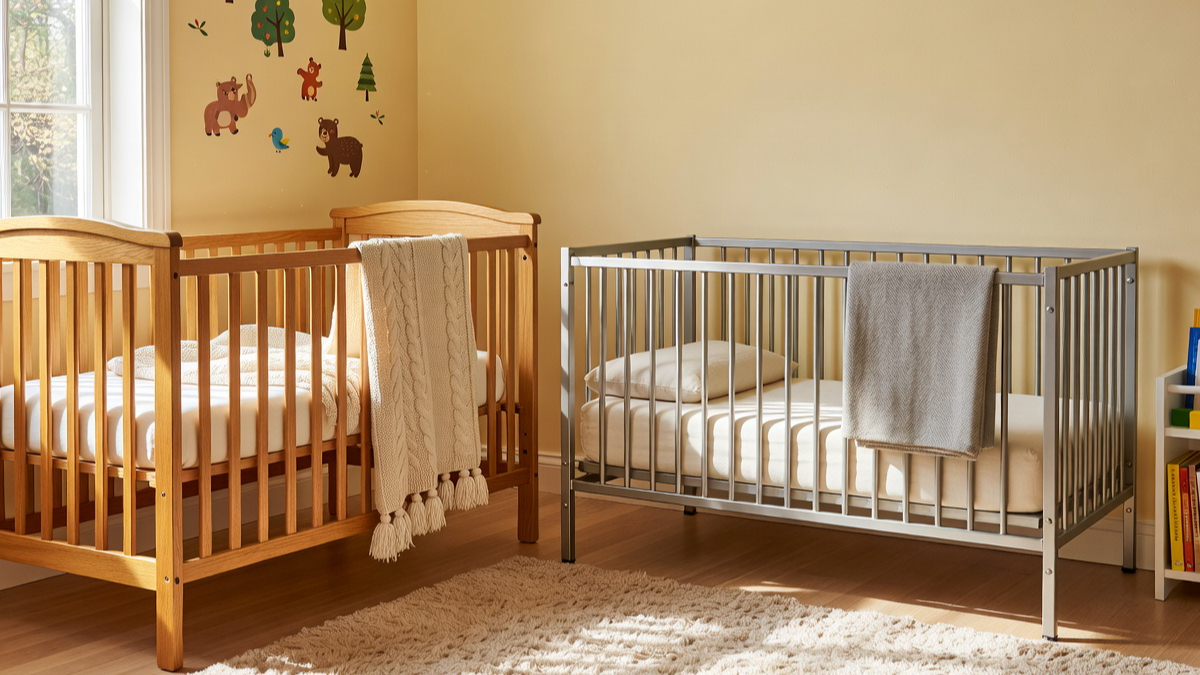
    Preparing a safe and comfortable sleeping space is one of the biggest decisions new parents make. But once you begin shopping, one question often comes up: crib vs cot which one is actually better for your baby?

    At first glance, they may seem like the same thing. Both are designed to give babies a secure place to sleep, and the terms are often used interchangeably in different countries. However, there are some important differences in size, design, longevity, and functionality. If you’re wondering about the difference between crib and cot, this guide breaks it all down, so you can confidently choose the right sleeping option for your baby and your home.

    Crib vs Cot: What’s the Main Difference?

    The biggest distinction in the crib vs cot comparison often comes down to design, size, and regional terminology. In many countries, especially the UK, Australia, and India, a cot is the standard baby bed with enclosed sides designed for infants and toddlers.

    In the United States, however, the word crib is more commonly used for essentially the same product. That said, there are still practical differences parents may notice while shopping.

    A Baby Crib Typically:

    • Has a slightly smaller, compact design
    • May come with adjustable mattress heights
    • Often converts into toddler beds in modern designs
    • Is commonly marketed in North America

    A Baby Cot Usually:

    • May be slightly larger or more spacious
    • Often has sturdier wooden designs
    • Can last longer into toddler years
    • Is commonly used terminology in India, the UK, and Australia

    For many parents, the decision between a crib or cot for a baby comes down to room space, budget, and how long they plan to use it.

    What is a Crib?

    A crib for a baby is a specially designed enclosed sleep space made to keep infants safe during sleep. Many modern cribs also convert into toddler beds, making them a longer-term investment.

    Cribs usually feature:

    • High protective rails
    • A firm baby mattress
    • Adjustable mattress levels
    • Compact nursery-friendly dimensions

    Benefits of a Baby Crib

    • Space-saving for smaller nurseries
    • Adjustable mattress height for easier access
    • Safer enclosed sleeping space
    • Convertible options available

    Cribs are often ideal for parents living in apartments or homes where nursery space is limited.

    What is a Cot?

    A cot for a newborn or infant is also a dedicated sleeping bed with enclosed sides, but it may be slightly larger and more versatile depending on the design. Many parents prefer cots because they feel more spacious and can often accommodate growing babies for a longer period.

    Benefits of a Baby Cot

    • More room for movement
    • Often durable and long-lasting
    • Comfortable for extended use
    • Suitable for larger nurseries

    Some cots can transition into toddler beds or day beds, offering added functionality.

    Crib vs Cot Comparison

    If you’re still confused about baby crib vs cot, here’s an easy comparison:

    Size

    Crib: Usually more compact and space-efficient.
    Cot: Often slightly larger and roomier.

    Longevity

    Crib: May last into toddlerhood if convertible.
    Cot: Often suitable for extended use due to larger size.

    Room Space

    Crib: Better for smaller rooms or apartments.
    Cot: Better for spacious nurseries.

    Design

    Crib: Modern, compact, and minimalist.
    Cot: Traditional and often sturdier-looking.

    Price

    Crib: Can vary widely depending on convertible features.
    Cot: May cost more due to size and materials.

    At the end of the day, both are safe sleep solutions when chosen correctly.

    Which is Best for a Newborn?

    If your baby is still in the newborn stage, either option can work safely, as long as it follows sleep safety guidelines. The best sleeping option for baby should include:

    • A firm mattress
    • Proper mattress fit without gaps
    • Breathable bedding
    • Sturdy construction
    • Safety-certified materials

    Whether you choose a crib or cot, avoid:

    • Loose blankets
    • Pillows
    • Cushions
    • Stuffed toys in the sleep area

    A safe sleep setup matters far more than the label attached to the furniture.

    Factors to Consider Before Choosing a Crib or Cot

    Before choosing between a crib and a cot, think about your space, budget, and how long you plan to use it.

    1. Room Size

    If you have a small nursery, a crib may be a better choice since it usually takes up less space. For larger rooms, a cot can offer more comfort and room for your baby to grow.

    2. Budget

    A convertible crib or cot may cost more initially but can save money in the long run by adapting to your child’s growing needs.

    3. Baby’s Growth

    Some babies outgrow compact sleep spaces quickly. If you want a longer-term option, a larger cot may be more practical.

    4. Portability

    Some cribs are easier to move around, making them convenient for parents who want flexibility during the newborn stage.

    Ultimately, the best choice depends on your nursery size, lifestyle, and what feels most practical for your family.

    Nursery Sleep Essentials to Pair with a Crib or Cot

    Choosing the right baby sleep furniture is only one part of creating a safe nursery. Here are a few nursery sleep essentials worth considering:

    Safe Sleep Basics

    • Firm mattress
    • Waterproof mattress protector
    • Fitted sheets
    • Breathable sleepwear
    • Baby monitor (optional)

    Keep the sleep setup simple and clutter-free for safer rest.

    Safety Tips for Baby Sleep Furniture

    Regardless of whether you choose a crib or cot, safety should always come first.

    Safest Baby Sleep Practices

    • Always place babies on their back to sleep
    • Use a firm mattress with fitted sheets only
    • Avoid soft bedding and pillows
    • Check rail spacing and sturdiness
    • Ensure there are no sharp edges or loose screws

    A safe sleep environment helps babies sleep better, and gives parents greater peace of mind.

    Common Mistakes Parents Make When Buying Baby Beds

    1. Choosing Style Over Safety

    Aesthetic nursery furniture is great, but safety certification matters more.

    1. Buying Too Large for Small Rooms

    Oversized cots may make nurseries feel cramped.

    1. Ignoring Longevity

    Some parents buy temporary solutions only to replace them months later.

    1. Forgetting Mattress Compatibility

    A poorly fitting mattress can create unsafe gaps.

    Choosing between a crib vs cot doesn’t have to feel overwhelming. Both options can provide a safe and comfortable sleep environment when selected thoughtfully.

    The best choice often depends on your nursery space, budget, lifestyle, and how long you want the furniture to last. Whether you choose a compact crib or a spacious cot, prioritizing safety and comfort matters most.

    At OZi, we offer a wide range of baby care essentials, nursery products, and parenting must-haves, all delivered to your doorstep in minutes, so you can spend less time worrying and more time preparing for your little one.

    Frequently Asked Questions 

    Is a crib the same as a cot?

    In many countries, yes. The terms are often used interchangeably, though size and design differences may vary by region.

    Which is better: crib or cot for baby?

    The answer depends on your space, budget, and preferences. Smaller spaces often benefit from cribs, while cots may offer more room and longer use.

    Is a cot safe for newborns?

    Yes, as long as it meets safety standards and includes a firm mattress with no loose bedding.

    Can babies sleep in a crib from birth?

    Yes. A crib designed for infant sleep can safely be used from birth.

    How long can babies use a cot or crib?

    Many babies use them until around 2–3 years old, depending on size and developmental needs.

  • When Do Babies Crawl? Milestones, Readiness Signs & Easy Tips

    When Do Babies Crawl? Milestones, Readiness Signs & Easy Tips

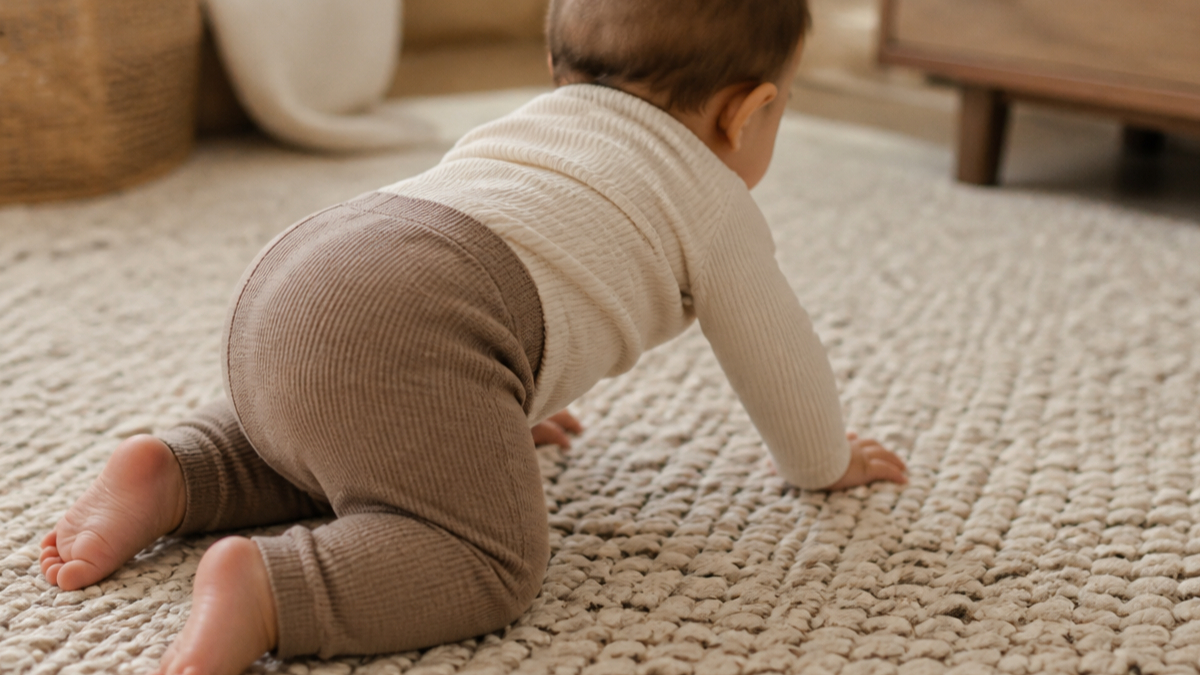
    Babies grow and change so quickly that every milestone feels exciting, and crawling is one of the biggest. It marks the beginning of your baby’s journey toward independence, helping strengthen muscles, coordination, and confidence. But one question many parents ask is, when do babies crawl?

    The answer is, every baby develops at their own pace. Some babies begin crawling as early as 6 months, while others may take until 10 months or even skip crawling entirely and move straight to walking. While timelines vary, understanding the signs baby is ready to crawl and knowing how to support the process can make this stage smoother and more fun for both parent and baby.

    In this blog, we’ll explore baby crawling milestones, readiness signs, practical ways to encourage crawling, and how the right toys can motivate movement and exploration.

    When Do Babies Crawl?

    Most babies start crawling between 6 and 10 months of age, though there’s a wide range of what’s considered normal. Before crawling begins, babies typically go through smaller developmental stages that prepare them for movement.

    Here’s a rough milestone timeline:

    • 0–3 months: Builds neck and upper body strength during tummy time
    • 4–6 months: Starts rolling over and pushing up on arms
    • 6–8 months: Rocks back and forth on hands and knees
    • 7–10 months: Begins crawling, scooting, or creeping

    Some babies crawl traditionally on hands and knees, while others invent unique methods like:

    • Army crawling: Pulling themselves forward on their tummy
    • Bottom shuffling: Scooting while sitting
    • Rolling: Using rolling motions to move around
    • Bear crawling: Crawling with straight arms and legs

    Remember, there’s no ‘perfect’ way to crawl. What matters most is steady progress in mobility and strength.

    Signs Baby is Ready to Crawl

    Wondering if your little one is getting close to crawling? Babies often show physical and behavioral clues before taking off. Here are the most common signs baby is ready to crawl:

    1. Stronger Neck and Head Control

    Your baby can comfortably hold their head up during tummy time and look around with ease. This upper-body strength is essential for supporting crawling movements.

    2. Rolling Over Frequently

    If your baby is rolling from tummy to back or back to tummy regularly, it means they’re developing the coordination needed for mobility.

    3. Pushing Up During Tummy Time

    Babies preparing to crawl often push up on their hands or forearms, almost like a mini push-up. This strengthens shoulder and arm muscles.

    4. Rocking on Hands and Knees

    One of the biggest signs is when your baby starts getting into a crawling position and rocking back and forth. It may look funny, but this movement helps them practice balance.

    5. Increased Curiosity

    Does your baby suddenly seem determined to reach toys, pets, or people? Curiosity is often a major motivator for crawling.

    6. Scooting or Moving Backward

    Many babies accidentally move backward before they figure out how to move forward. It’s completely normal and often part of the learning process.

    7. Pulling Toward Objects

    If your baby stretches, reaches, or tries hard to grab objects just out of reach, they may be preparing for crawling.

    What if Your Baby isn’t Crawling Yet?

    Parents naturally compare milestones, but development rarely follows a strict schedule. If your baby isn’t crawling by 8 or 9 months, it doesn’t automatically mean something is wrong. Some babies simply take longer, while others skip crawling entirely and move straight to standing or walking.

    However, consider speaking with your pediatrician if your baby:

    • Shows little interest in movement by 9–10 months
    • Seems very stiff or very floppy
    • Uses one side of the body significantly more than the other
    • Isn’t rolling, sitting, or bearing weight on arms

    In most cases, patience and practice are enough.

    How to Encourage Your Baby to Crawl

    Once your baby starts showing readiness signs, there are simple ways to support their development naturally.

    1. Prioritize Tummy Time

    Tummy time is one of the best activities for preparing babies to crawl. When babies spend time on their stomach, they strengthen important muscles in the:

    • Neck
    • Shoulders
    • Arms
    • Back
    • Core

    These muscles are essential for lifting the body and moving forward.
    Tips for better tummy time:

    • Start with a few minutes daily and gradually increase
    • Use colorful mats or mirrors for engagement
    • Lie on the floor with your baby to make it interactive
    • Choose times when your baby is alert and happy

    Even short tummy time sessions can make a big difference.

    2. Place Toys Just Out of Reach

    A simple but effective trick, motivate movement through curiosity. Place a favorite toy slightly beyond your baby’s reach so they have to stretch, scoot, or move toward it. The goal isn’t frustration, it’s gentle encouragement.

    Try placing:

    • Soft rattles
    • Musical toys
    • Light-up sensory toys
    • Plush toys with textures

    As babies become more interested in reaching objects, they naturally begin experimenting with movement.

    3. Create Safe Floor Space

    Babies need room to practice. Instead of spending too much time on swings, bouncers, or carriers, allow supervised floor play where your baby can explore freely. A baby-safe space with soft mats can encourage more movement and experimentation.

    4. Use Mirrors for Motivation

    Babies love faces, including their own. A baby-safe mirror placed during tummy time often encourages babies to lift their heads, push up, and move closer.

    5. Crawl With Your Baby

    Yes, really. Getting on the floor and demonstrating crawling movements can encourage imitation. Babies learn by watching caregivers, and your excitement may motivate them too.

    6. Celebrate Effort, Not Perfection

    Every wiggle, scoot, and reach counts. Even if progress feels slow, positive encouragement helps build confidence.

    Toys Play a Huge Role in Motivating Babies to Crawl

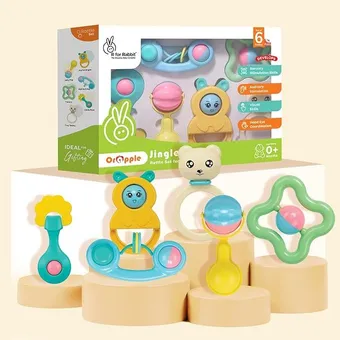
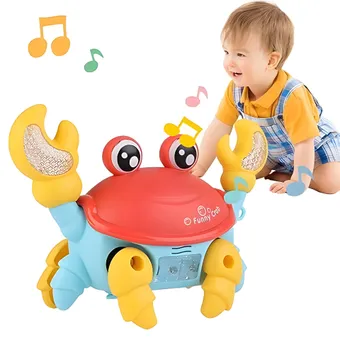
    One of the easiest ways to inspire movement is through toys to encourage crawling. Babies are naturally curious. When something lights up, moves, plays music, or feels interesting, they’re often motivated to go after it. The right milestone-specific toys can turn crawling practice into playtime.

    Best Toys to Encourage Crawling

    1. Rolling Balls: Soft sensory balls that move slightly when touched encourage babies to chase and reach.
    2. Musical Toys: Toys that play sounds or music when activated can motivate babies to move closer.
    3. Activity Rollers: Rollers designed for tummy time often spin or make sounds, encouraging pushing and movement.
    4. Interactive Crawling Toys: Some toys move slowly across the floor or light up, giving babies a fun reason to follow.
    5. Soft Building Blocks: Stacking and knocking down blocks can encourage reaching, pivoting, and movement.

    The key is choosing age-appropriate, milestone-specific toys that match your baby’s developmental stage.

    For busy parents, finding the right developmental toys quickly can feel overwhelming. Platforms like OZi make it easier to shop for baby essentials and milestone-specific toys, with convenient delivery in as little as 60 minutes, perfect when your little one suddenly enters a new developmental phase.

    Safety Tips Once Crawling Begins

    The moment babies become mobile, curiosity skyrockets. Before crawling officially starts, take time to baby-proof your space, because crawling babies move faster than most parents expect.

    • Cover electrical outlets
    • Secure furniture edges
    • Remove choking hazards from floors
    • Install safety gates near stairs
    • Keep cleaning products locked away
    • Anchor unstable furniture

    So, when do babies crawl? Most little ones begin between 6 and 10 months, but every baby develops differently. Watching for signs that the baby is ready to crawl, like rocking, reaching, and stronger tummy-time skills can help you know when this exciting milestone is approaching.

    The best way to support your baby is through plenty of tummy time, safe floor exploration, gentle encouragement, and engaging toys to encourage crawling. Small changes like placing toys just out of reach can make a big impact.

    And when your baby is ready for their next milestone, having the right developmental toys on hand matters. You can conveniently explore baby essentials and milestone-specific toys on OZi and get them delivered in 60 minutes, helping you stay one step ahead of your growing little explorer.

    Frequently Asked Questions

    1. When do babies crawl on average?

    Most babies start crawling between 6 and 10 months, though some may begin earlier or later.

    2. What are the first signs baby is ready to crawl?

    Common signs include rocking on hands and knees, pushing up during tummy time, rolling over frequently, and trying to reach objects.

    3. Can babies skip crawling?

    Yes. Some babies skip crawling and move directly to pulling up, cruising, or walking.

    4. What toys encourage babies to crawl?

    Rolling balls, musical toys, sensory toys, activity rollers, and interactive moving toys can motivate babies to move.

    5. Does tummy time help babies crawl?

    Absolutely. Tummy time strengthens muscles needed for crawling, including the neck, shoulders, arms, and core.

  • What is the 3-6-9 Rule for Babies? A Simple Parent Guide

    What is the 3-6-9 Rule for Babies? A Simple Parent Guide

    Becoming a parent comes with endless advice, routines, and baby-care ‘rules.’ One parenting method that many new parents hear about is the 3-6-9 rule for babies. While it may sound complicated at first, the idea behind it is actually simple and practical.

    The 3-6-9 rule is commonly used as a flexible guide to help parents understand their baby’s feeding, sleeping, and developmental patterns during the first year. It focuses on three important stages in a baby’s growth; around 3 months, 6 months, and 9 months, when major changes often happen. In this guide, we’ll explain what the 3-6-9 rule means, how it can help parents build routines, and why every baby still develops at their own pace.

    Understanding the 3-6-9 Rule for Babies

    The 3-6-9 rule is not a strict medical formula. Instead, it’s a simple parenting framework that highlights key developmental phases during a baby’s first year. Here’s the basic idea:

    • 3 months: Babies begin developing more predictable feeding and sleeping patterns.
    • 6 months: Many babies start solids and become more physically active.
    • 9 months: Babies become increasingly mobile and socially interactive.

    Parents often use this rule to prepare for changing routines and milestones without feeling overwhelmed. The biggest benefit? It encourages parents to focus on gradual development instead of expecting perfection overnight.

    The 3 Stage: Around 3 Months

    The first three months are often called the “newborn phase.” During this time, babies are adjusting to life outside the womb, and parents are usually adapting to sleepless nights and constant feeding schedules. By around 3 months, many babies begin showing signs of more regular patterns.

    What Changes Around 3 Months?

    Parents may also notice fewer random sleep cycles and more predictable nap times. At this stage, babies may:

    • Sleep for slightly longer stretches at night
    • Feed more efficiently
    • Start smiling and responding socially
    • Become more alert during the day
    • Recognize familiar voices and faces

    Feeding at 3 Months

    Most babies still rely entirely on breast milk or formula. Feeding usually happens every 3–4 hours, though every infant is different. Helpful tips for parents:

    • Watch hunger cues instead of relying only on the clock
    • Avoid overfeeding when babies are simply tired or overstimulated
    • Create a calm feeding environment

    Sleep at 3 Months

    Many babies begin sleeping longer at night, although waking up for feeds is still completely normal. Simple sleep habits can help:

    • Keep lights dim during nighttime feeds
    • Create a gentle bedtime routine
    • Encourage daytime activity and interaction

    The 6 Stage: Around 6 Months

    The 6-month mark is one of the biggest developmental transitions for babies and parents alike. This is when many babies become more active, curious, and ready to explore the world around them.

    Major Milestones Around 6 Months

    Parents may also notice fewer random sleep cycles and more predictable nap times. At this age, babies often:

    • Roll over
    • Sit with support
    • Respond to their name
    • Show stronger emotions
    • Become interested in food

    Starting Solids at 6 Months

    One of the most talked-about parts of the 3-6-9 rule is introducing complementary foods around 6 months. Signs a baby may be ready for solids include:

    • Good head control
    • Interest in watching others eat
    • Ability to sit with support
    • Reduced tongue-thrust reflex

    The goal at this stage is exploration, not replacing milk feeds immediately. Common first foods include:

    • Mashed banana
    • Pureed vegetables
    • Rice cereal
    • Oatmeal
    • Soft fruits

    Sleep Changes at 6 Months

    Sleep patterns may improve around this age, but many babies also experience sleep regressions due to:

    • Teething
    • Growth spurts
    • Increased movement
    • Separation anxiety

    Consistency becomes important here. A regular bedtime routine can help babies feel secure and relaxed.

    The 9 Stage: Around 9 Months

    By 9 months, babies become far more mobile and interactive. This stage is exciting but also physically demanding for parents because babies are eager to move and explore.

    Common 9-Month Milestones

    Many babies may:

    • Crawl or attempt crawling
    • Pull themselves up
    • Babble more clearly
    • Recognize familiar people
    • Show stranger anxiety
    • Develop stronger hand-eye coordination

    This is often when parents realize how quickly their baby is growing from a newborn into an active little personality.

    Feeding at 9 Months

    At this stage, babies usually continue drinking breast milk or formula while eating a wider variety of solids. Parents can also encourage self-feeding skills with safe, soft foods. Meals may include:

    • Soft vegetables
    • Finger foods
    • Fruits
    • Yogurt
    • Small portions of grains and proteins

    Sleep at 9 Months

    Some babies sleep through the night consistently, while others still wake occasionally. Mobility and teething can temporarily disrupt sleep. Helpful strategies include:

    • Keeping bedtime routines consistent
    • Avoiding overstimulation before sleep
    • Offering comfort without creating difficult sleep habits

    Why Parents Like the 3-6-9 Rule

    The popularity of the 3-6-9 rule comes from its simplicity. Instead of worrying about dozens of milestones every week, parents can focus on broader developmental stages.

    Benefits of the 3-6-9 Approach

    The 3-6-9 approach helps parents better understand their baby’s changing needs around feeding, sleep, and development. It creates a more predictable routine, making newborn care feel simpler and less overwhelming for first-time parents.

    1. Reduces Parenting Stress

    New parents often feel pressure to follow perfect schedules. The 3-6-9 framework offers guidance without rigid expectations.

    2. Encourages Routine Building

    The rule helps parents gradually adapt feeding, sleeping, and activity schedules as babies grow.

    3. Supports Development Awareness

    Parents become more aware of physical, emotional, and social changes happening during the first year.

    4. Promotes Flexibility

    Every baby is unique. The 3-6-9 rule works best as a flexible guide rather than a strict timeline.

    Important Reminder: Every Baby Develops Differently

    One of the most important things parents should remember is this. Not all babies follow the exact same schedule. Some babies sleep through the night early. Others take longer. Some crawl at 7 months, while others skip crawling entirely and begin walking sooner. Development depends on many factors, including:

    • Genetics
    • Feeding habits
    • Temperament
    • Environment
    • Prematurity

    Parents should avoid comparing their baby constantly with others online or within family circles. If there are concerns about feeding, growth, or developmental delays, it’s always best to speak with a pediatrician.

    Simple Tips for Following the 3-6-9 Rule

    Here are a few practical ways parents can apply this approach in everyday life:

    Observe Before Scheduling: Babies naturally show patterns over time. Observe your baby’s hunger, sleep, and play cues before forcing routines.

    Focus on Consistency: A simple daily rhythm often works better than strict schedules.

    Prepare for Transitions: Expect changes around 3, 6, and 9 months so routines feel less surprising.

    Prioritize Interaction: Talking, singing, cuddling, and playing support healthy development at every stage.

    Don’t Aim for Perfection: Some days will feel organized, and others will feel chaotic. That’s completely normal.

    The 3-6-9 rule for babies offers a simple way for parents to understand major developmental stages during the first year. By focusing on the changes that commonly happen around 3, 6, and 9 months, parents can feel more prepared for shifting routines, feeding habits, and sleep patterns. Most importantly, this approach reminds parents that baby development is a journey, not a race. Flexibility, patience, and consistent care matter far more than following perfect schedules.

    As your baby grows, having easy access to daily essentials like baby food, diapers, personal care items, and parenting necessities can make routines smoother. Platforms like OZi help busy parents manage everyday needs more conveniently while focusing on what matters most, spending quality time with their little one.
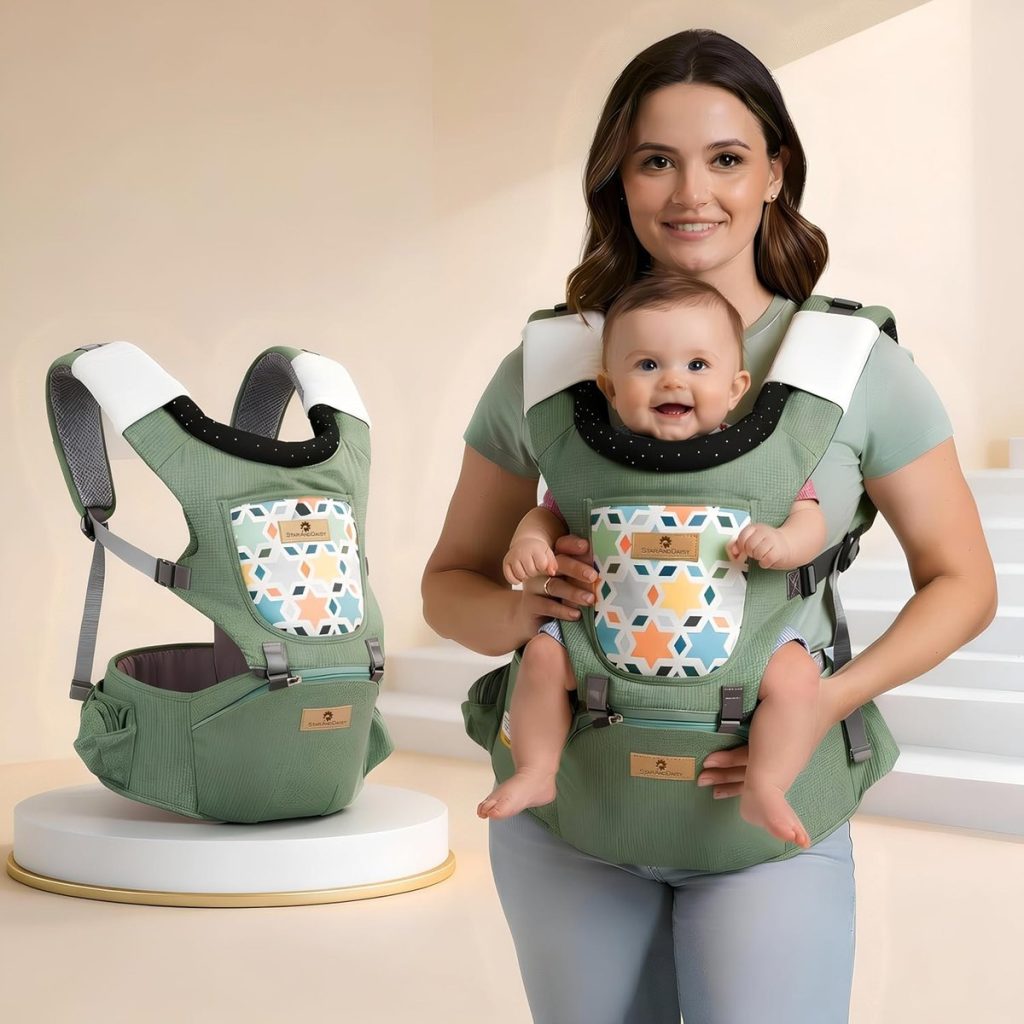
    Frequently Asked Questions 

    Is the 3-6-9 rule medically proven?

    No. The 3-6-9 rule is more of a parenting guideline than a medical standard. It highlights common developmental stages many babies experience.
    Does every baby follow the 3-6-9 pattern?

    No. Babies grow and develop differently. Some may reach milestones earlier or later than others.

    Can the 3-6-9 rule help with sleep training?

    It can help parents understand changing sleep patterns, but it is not a formal sleep-training method.

    Should babies start solids exactly at 6 months?

    Many babies begin solids around 6 months, but readiness varies. Parents should consult their pediatrician before introducing solids.

    What if my baby isn’t meeting milestones?

    Small variations are normal. However, if parents have concerns about development, feeding, or behavior, they should consult a healthcare professional.