Blog

  • 10 Best Healthy Foods for Kids: Nutritious Indian Superfoods for Growth

    10 Best Healthy Foods for Kids: Nutritious Indian Superfoods for Growth

    Getting kids to eat nutritious meals every day can feel like a challenge, especially when picky eating habits begin. Many parents worry whether their child is getting enough nutrients for healthy growth, immunity, energy, and brain development.

    The good news is that many everyday Indian ingredients naturally qualify as some of the best healthy foods for kids. From calcium-rich ragi and protein-packed moong dal to gut-friendly curd and energy-boosting bananas, these foods can help support overall development while still being tasty enough for children to enjoy.

    If you’re looking for healthy foods for kids that are nutritious, simple to prepare, and easy to include in daily meals, this guide covers some of the best Indian superfoods for growing children.

    Why Healthy Foods for Kids Matter

    Children grow rapidly during their early years, which means their bodies need the right balance of nutrients every day. A healthy diet helps support:

    • Strong bones and muscles
    • Healthy brain development
    • Better immunity
    • Improved digestion
    • Steady energy levels
    • Healthy weight gain and growth

    Introducing nutritious foods early can also help children develop healthier eating habits as they grow. The goal isn’t perfection—it’s consistency and variety.

    10 Best Healthy Foods for Kids

    These foods provide essential nutrients such as protein, calcium, iron, fiber, healthy fats, and vitamins that support healthy growth and development.

    1. Ragi (Finger Millet)

    Ragi is one of the most nutritious healthy foods for kids because it is rich in calcium, iron, fiber, and protein. It supports strong bones and helps maintain steady energy throughout the day. Its soft texture and mild taste make it ideal even for toddlers and picky eaters.

    Best for: Bone development and healthy growth
    Easy ways to include it:

    • Ragi porridge
    • Ragi dosa
    • Pancakes
    • Homemade ladoos

    2. Bananas

    Bananas are packed with potassium, vitamin B6, and fiber, making them one of the easiest healthy foods for kids to include in daily meals. They provide quick natural energy and help support digestion. Because they are naturally sweet, bananas are often well-liked by toddlers and young children.

    Best for: Digestion and instant energy
    Easy ways to include it:

    • Smoothies
    • Oatmeal toppings
    • Pancakes
    • Frozen banana bites

    3. Moong Dal

    Moong dal is a light and easy-to-digest protein source that supports healthy growth in children. It contains protein, iron, and essential nutrients needed for muscle development and immunity. It is especially suitable for toddlers and kids with sensitive stomachs.

    Best for: Protein intake and digestion
    Easy ways to include it:

    • Khichdi
    • Dal soup
    • Cheela
    • Soft dal rice

    4. Eggs

    Eggs are among the best healthy foods for kids because they contain high-quality protein, vitamin D, healthy fats, and choline an important nutrient for brain development. They are filling, versatile, and easy to prepare for busy parents.

    Best for: Growth and brain development
    Easy ways to include it:

    • Omelets
    • Boiled eggs
    • Egg bhurji
    • Sandwiches

    5. Ghee

    Ghee contains healthy fats that help support brain development and improve nutrient absorption. A small amount added to meals can also improve taste, making healthy foods more appealing to children. When consumed in moderation, ghee can be a valuable part of a child’s balanced diet.

    Best for: Brain health and energy
    Easy ways to include it:

    • Dal rice
    • Khichdi
    • Rotis
    • Cooked vegetables

    6. Sweet Potatoes

    Sweet potatoes are rich in vitamin A, antioxidants, and fiber, helping support immunity, eye health, and digestion. Their naturally sweet flavor makes them one of the more enjoyable healthy foods for kids, especially picky eaters.

    Best for: Immunity and healthy energy
    Easy ways to include it:

    • Mashed sweet potatoes
    • Baked fries
    • Tikki
    • Roasted cubes

    7. Curd (Yogurt)

    Curd is one of the easiest healthy foods for kids to include in everyday meals. It contains probiotics, calcium, and protein that support digestion, gut health, and immunity. A healthy digestive system can also improve nutrient absorption and appetite.

    Best for: Gut health and immunity
    Easy ways to include it:

    • Fruit yogurt bowls
    • Smoothies
    • Curd rice
    • Homemade lassi

    8. Paneer

    Paneer is rich in protein and calcium, making it excellent for muscle growth and bone strength. Its soft texture makes it easier for younger children to eat. It also works well in multiple kid-friendly meals.

    Best for: Muscle growth and healthy weight gain
    Easy ways to include it:

    • Paneer paratha
    • Sandwiches
    • Wraps
    • Paneer bhurji

    9. Dry Fruits and Nuts

    Dry fruits and nuts contain healthy fats, iron, protein, and omega-3 fatty acids that support brain function and overall development. For younger kids, powdered nuts or finely chopped versions may be easier and safer to consume.

    Best for: Brain health and healthy snacking
    Easy ways to include it:

    • Nut powder in milk
    • Smoothies
    • Porridge toppings
    • Homemade energy balls

    10. Oats

    Oats are rich in fiber, iron, and complex carbohydrates that help children stay full longer and maintain steady energy levels. They also support healthy digestion, making oats a smart breakfast option.

    Best for: Digestion and sustained energy
    Easy ways to include it:

    • Oat porridge
    • Pancakes
    • Idli
    • Homemade oat cookies

    Tips for Feeding Healthy Foods to Picky Kids

    Getting kids to eat healthy meals isn’t always easy, but small strategies can make a big difference.

    1. Keep Meals Colorful

    Bright fruits and vegetables can make meals more visually appealing for children.

    2. Avoid Force Feeding

    Pressuring kids to eat often creates negative food associations. Offer food patiently and consistently.

    3. Serve Smaller Portions

    Large portions can feel overwhelming. Smaller servings encourage children to try foods without pressure.

    4. Introduce Foods More Than Once

    Kids may reject new foods several times before accepting them. Repeated exposure helps.

    5. Eat Together as a Family

    Children often copy eating habits from parents and siblings.

    6. Limit Packaged Snacks

    Too many processed snacks can reduce appetite for nutritious meals.

    Foods Kids Should Eat Less Often

    While occasional treats are completely fine, some foods are best limited, These foods may fill children up without providing the nutrients they need for proper growth.

    • Sugary drinks
    • Excess chocolates and candy
    • Instant noodles
    • Packaged chips
    • Highly processed snacks

    Including more healthy foods for kids in daily meals doesn’t have to be complicated. Many traditional Indian foods already provide the nutrients children need for healthy growth, strong immunity, brain development, and energy.

    The key is consistency, balance, and patience, especially with picky eaters. Small improvements in everyday eating habits can make a big difference over time.

    Keeping nutritious groceries, fruits, dairy products, and pantry essentials easily available can also make healthy meal planning simpler for busy families. Platforms like OZi can help parents conveniently access everyday essentials needed to support healthier routines for growing kids.

    Frequently Asked Questions

    What are the healthiest foods for kids?

    Some of the healthiest foods for kids include ragi, eggs, paneer, curd, bananas, moong dal, oats, and sweet potatoes because they provide nutrients essential for growth and immunity.

    What healthy foods should kids eat every day?

    Kids should eat a balanced mix of protein, fruits, vegetables, whole grains, and dairy. Everyday healthy foods for kids can include eggs, dal, curd, paneer, oats, bananas, and homemade meals.

    How can I encourage my child to eat healthy food?

    Keep meals colorful, pressure-free, and fun. Offering variety and involving kids in simple food choices can also encourage healthier eating habits.

    Which foods help children gain healthy weight?

    Paneer, bananas, ghee, full-fat curd, dry fruits, and nutritious homemade snacks may support healthy weight gain.

    What are healthy snacks for toddlers?

    Fruit slices, yogurt, banana pancakes, roasted sweet potatoes, homemade oat snacks, and smoothies are healthy snack options.

  • Best Baby Shower Gift Ideas: What New Parents Really Want

    Best Baby Shower Gift Ideas: What New Parents Really Want

    Got it — keeping the intro cleaner and using only the primary keyword naturally at the start.

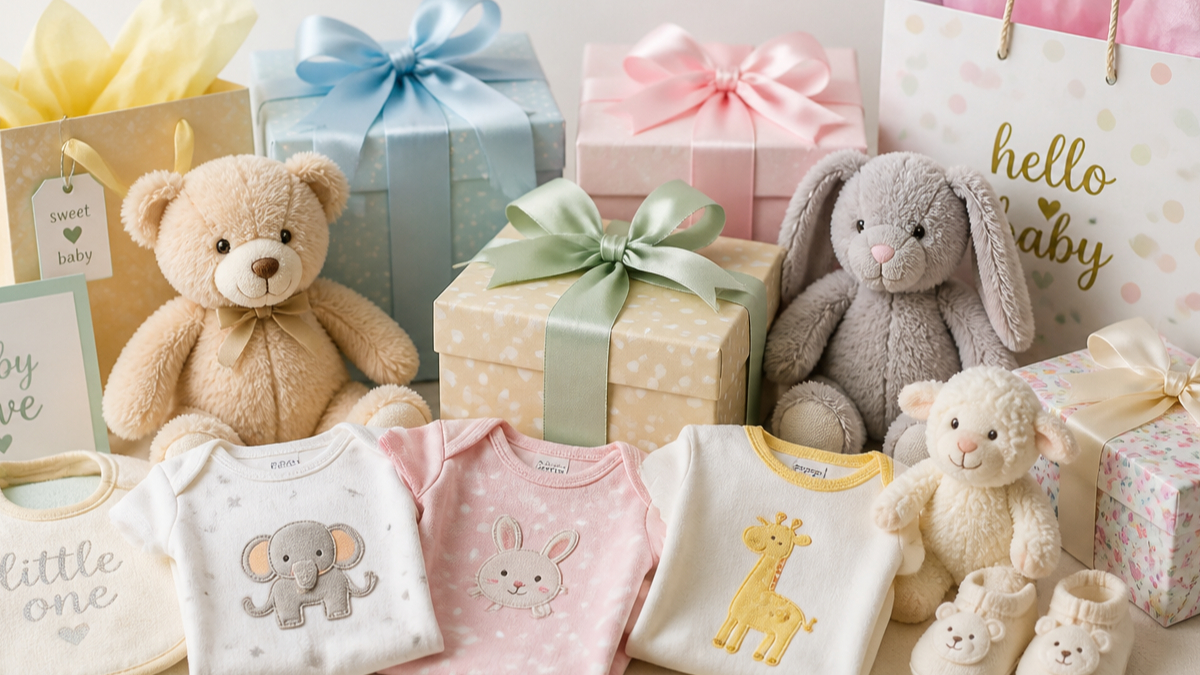
    Baby shower gift ideas can feel surprisingly difficult to choose. What seems like an easy task quickly turns overwhelming when you’re surrounded by endless shelves of tiny clothes, stuffed animals, and adorable accessories, wondering, Will they actually use this?

    The truth is, most parents appreciate gifts that make life easier after the baby arrives. While cute outfits and novelty presents are lovely, thoughtful and useful gifts are often remembered long after the baby shower ends.

    This guide will help you find meaningful presents that parents will genuinely appreciate from practical essentials to memorable keepsakes and thoughtful picks that make early parenting a little easier.

    Why Choosing the Right Baby Shower Gift Matters

    A baby shower gift isn’t just about celebrating the baby it’s about supporting parents during one of life’s biggest transitions.
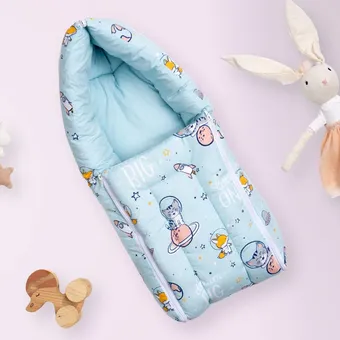
    New parents often receive duplicates of cute items but miss out on practical things they need daily. The best gifts usually fall into one of three categories:

    • Practical essentials that solve everyday problems
    • Meaningful keepsakes parents treasure forever
    • Sustainable or eco-friendly products that feel thoughtful and useful

    When choosing a gift, ask yourself one question:
    Will this make life easier, more memorable, or more comfortable for the parents?

    Practical Baby Shower Gift Ideas Parents Actually Need

    When in doubt, practical always wins. Many new parents say the gifts they appreciated most were the ones they used every single day. These practical gifts for new moms and parents help reduce stress during those busy newborn months.

    1. Diapering Essentials

    Diapers may not seem exciting, but they’re one of the most useful gifts a parent can receive. A thoughtful diaper bundle could include:

    • Diapers in multiple sizes
    • Baby wipes
    • Rash cream
    • Portable changing mats
    • Storage organizers

    These are true newborn gift essentials that parents constantly reach for.

    Gift tip: Instead of gifting only newborn-sized diapers, include larger sizes too. Babies grow quickly, and parents often run short unexpectedly.

    2. Feeding & Nursing Support Gifts

    Feeding time becomes a major part of daily life after birth. Useful ideas include:

    • Nursing pillows
    • Burp cloth sets
    • Baby bibs
    • Feeding storage containers
    • Comfortable nursing accessories

    These items can be especially helpful as practical gifts for new moms, making feeding routines easier and more comfortable.

    3. Sleep Essentials for Baby (and Parents)

    Sleep deprivation is real for new parents. Some of the best baby shower gifts are products that help babies sleep better, or at least make bedtime routines smoother. Popular ideas include:

    • Soft swaddle blankets
    • White noise machines
    • Comfortable baby sleepwear
    • Night lights for late-night feeds

    Even simple additions can make nighttime parenting less stressful.

    4. Self-Care Gifts for New Moms

    One common mistake people make? Focusing only on the baby. Parents, especially moms, need support too. Thoughtful practical gifts for new moms include:

    • Herbal teas
    • Comfortable lounge essentials
    • Recovery care kits
    • Hydration bottles
    • Relaxation items for postpartum care

    A small ‘mom care’ package alongside a baby gift often feels extra thoughtful.

    Unique Baby Shower Gifts That Feel More Personal

    Sometimes, practical gifts are best. But if you want something memorable, personalized presents make a lasting impression. These unique baby shower gifts combine sentiment with meaning.

    1. Personalized Baby Keepsakes

    Keepsakes often become treasured family memories. Unlike trendy gifts that may be forgotten, personalized items often stay with families for years.

    Popular ideas include:

    • Customized baby blankets
    • Personalized milestone cards
    • Name plaques for nurseries
    • Baby memory books
    • Handprint or footprint kits

    Build a Themed Gift Basket

    Gift baskets feel thoughtful because they can be customized to match parents’ needs. Some creative themes include:

    The Newborn Survival Kit

    Include:

    • Muslin cloths
    • Baby-safe skincare
    • Soft blankets
    • Baby grooming tools

    Bath Time Bundle

    Include:

    • Gentle baby wash
    • Hooded towels
    • Soft washcloths
    • Moisturizers for delicate skin

    Bedtime Comfort Box

    Include:

    • Storybooks
    • Cozy pajamas
    • Swaddles
    • Sleep accessories

    Eco-Friendly Baby Shower Gift Ideas

    More parents today are choosing sustainable baby products, making eco-conscious presents increasingly popular. Eco-friendly baby shower gift ideas can feel both meaningful and practical. These gifts often appeal to parents looking for safer, more mindful choices for their newborn.

    Some of the sustainable gift options

    • Organic cotton baby clothes
    • Reusable cloth bibs
    • Wooden toys
    • Natural baby skincare products
    • Eco-friendly diaper options

    Books Instead of Cards

    A growing baby shower trend is asking guests to bring books instead of greeting cards. Guests can leave personal messages inside, creating a meaningful library for the baby over time. It’s affordable, thoughtful, and personal.

    What Gifts Should You Avoid?

    While every gift comes from a good place, some items may be less helpful. If parents already have a wishlist, using it is always a safe choice.

    Try to avoid:

    • Too many newborn-sized clothes
    • Oversized stuffed toys
    • Complicated gadgets with limited use
    • Duplicate items without checking registries

    How to Pick the Best Baby Shower Gift

    If you are still unsure what to buy, here is a quick checklist to help you pick the right gift.

    Choose something that is:

    • Useful in daily life
    • Helpful during the newborn stage
    • Comfortable for parents
    • Thoughtful or meaningful
    • Something parents may not buy for themselves

    The best baby shower gifts are rarely the most expensive, they’re the ones that genuinely help. Choosing thoughtful baby shower gift ideas doesn’t have to be stressful. The secret is simple: think beyond cute and focus on useful.

    Whether it’s newborn gift essentials, meaningful keepsakes, or practical gifts for new moms, parents usually appreciate presents that make life easier during those early weeks.

    And if you’re looking to put together a thoughtful hamper, everyday baby care products, feeding essentials, books, and household basics can help create a gift parents will actually use. OZi makes it easier to shop for daily essentials in one place, perfect when building a practical baby shower bundle.

    Frequently Asked Questions 

    What are the best baby shower gifts for first-time parents?

    Practical essentials like diapers, feeding accessories, swaddles, and newborn care kits are often the most appreciated.

    What are unique baby shower gifts?

    Personalized blankets, memory books, themed gift hampers, and eco-friendly products make thoughtful and unique baby shower gifts.

    What practical gifts do new moms actually want?

    Recovery kits, hydration bottles, nursing support products, and self-care items are useful practical gifts for new moms.

    What are newborn gift essentials?

    Diapers, wipes, baby skincare, blankets, feeding accessories, and grooming kits are key newborn gift essentials.

    Are eco-friendly baby gifts worth it?

    Yes, many parents prefer sustainable products like organic clothing, reusable baby essentials, and natural skincare.

  • Foods to Avoid During Pregnancy: The Ultimate 2026 Guide

    Foods to Avoid During Pregnancy: The Ultimate 2026 Guide

    Navigating nutrition during pregnancy in India can feel like a balancing act between modern medical advice and age-old ‘nuskhas’ (home remedies) passed down by elders. One day you’re encouraged to eat for two, and the next, you’re warned that certain fruits might be ‘too hot’ for the body.

    As of 2026, nutrition guidelines in India have become much more specific. The focus has shifted from blanket bans to understanding ‘why’ certain foods pose a risk in our tropical climate. This guide breaks down the essential foods to avoid during pregnancy to stay away from to ensure both you and your baby remain healthy.

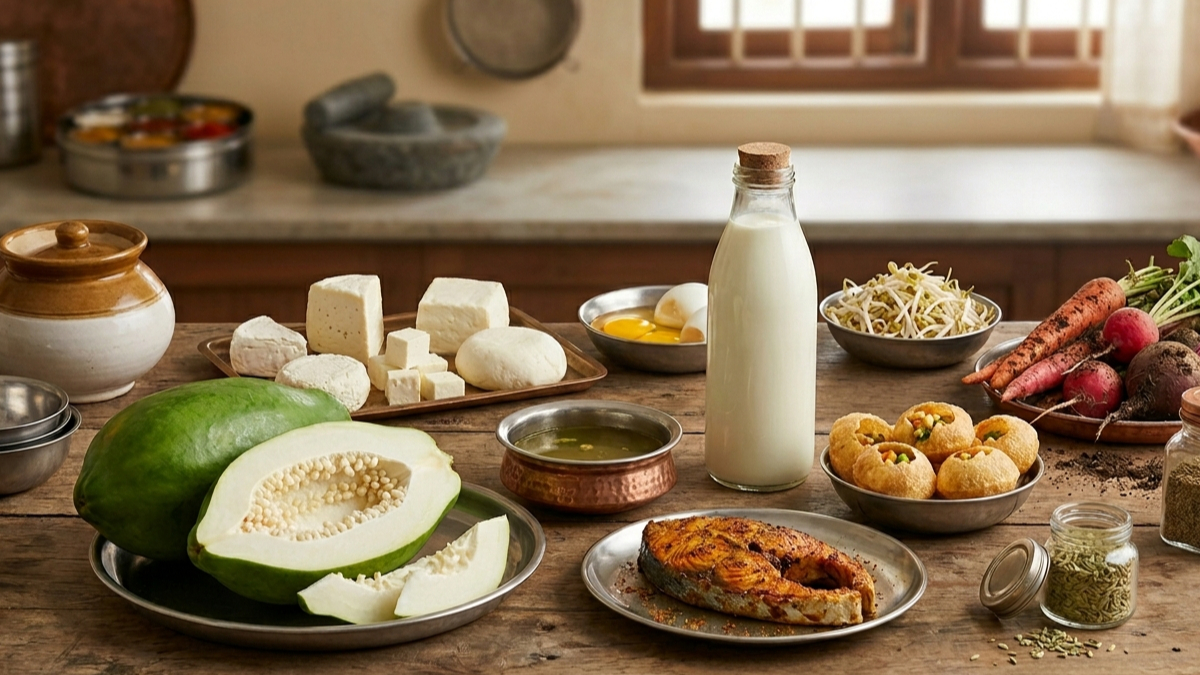
    10 Foods to Avoid During Pregnancy 

    From unripe papaya to unwashed produce and street food, here is a list of all the food items along with risks and alternative options, that you should avoid during your pregnancy.

    1. Unripe or Semi-Ripe Papaya

    This is perhaps the most famous pregnancy warning in Indian households, and it is backed by science. Unripe or semi-ripe papaya contains high concentrations of latex and papain.

    • The Risk: These substances can act like prostaglandin and oxytocin, which may trigger uterine contractions or early labor.
    • The Safe Way: Fully ripe papaya (bright yellow/orange) is generally considered safe and is a great source of vitamins, but many Indian doctors suggest avoiding it entirely just to be safe.

    2. High-Mercury Fish (Local & Imported)

    While fish is a great source of Omega-3, certain varieties common in coastal regions or high-end markets contain high levels of methylmercury, which can affect the baby’s developing nervous system.

    • Avoid: Shark (Sura), Swordfish, King Mackerel (Surmai/Vanjaram), and Bigeye Tuna.
    • The 2026 Update: You don’t need to quit fish. Stick to 2 servings a week of low-mercury local favorites like Pomfret, Hilsa, Rohu, or Prawns, provided they are caught in clean waters.

    3. Raw or Partially Cooked Eggs

    Many Indian breakfast favorites or desserts use raw eggs. Pregnancy makes you more susceptible to Salmonella, which can cause severe vomiting and high fever.

    • Avoid: Sunny-side-up eggs (runny yolks), homemade mayonnaise, and raw cake batter.
    • The Safe Way: Ensure your omelets or boiled eggs are firm. Commercial mayonnaise in India is almost always made with pasteurized eggs and is safe.

    4. Unpasteurized Milk

    In many parts of India, fresh from the farm milk is common. However, raw (unpasteurized) milk can harbor Listeria and Salmonella.

    • Avoid: Drinking raw milk directly without boiling it. Also, avoid soft artisanal cheeses or unbranded Paneer if you aren’t sure it was made from pasteurized milk.
    • The Safe Way: Always boil loose milk thoroughly. Branded milk and paneer (like Amul or Mother Dairy) are pasteurized and safe.

    5. Street Food and Unwashed Produce

    The biggest risk with Indian street food isn’t the spice; it’s the water and hygiene. Toxoplasmosis and Listeria live in the soil and contaminated water.

    • Avoid: Pani Puri (due to the water), pre-cut fruit chaat from street vendors, and raw sprouts (which are hard to clean).
    • The Safe Way: If you’re craving street food, make it at home or choose outlets with high hygiene ratings where the water used is filtered.

    6. Excess Caffeine (Chai and Coffee)

    We are a nation of tea lovers, but caffeine passes easily through the placenta. Excessive caffeine intake during pregnancy may increase the risk of low birth weight and other complications. According to the American College of Obstetricians and Gynecologists (ACOG), pregnant women should limit caffeine intake to 200 mg per day.
    The Limit: This roughly equals 2 small cups of Masala Chai or 1 cup of strong filter coffee.
    Note: Remember that chocolate, soft drinks, and energy drinks may also contain caffeine.

    • The Limit: Limit yourself to 200mg per day. This roughly equals 2 small cups of Masala Chai or 1 cup of strong filter coffee.
    • Note: Remember that chocolate and some sodas also contain caffeine!

    7. Uncooked or Rare Meat

    Whether it’s a Seekh Kabab or a steak, undercooked meat can carry parasites that cause infections.
    • The Risk: Undercooked meat is a primary source of E. coli and Toxoplasmosis.
    • The Safe Way: Ensure all kababs and curries are cooked until the meat is no longer pink. Meat should reach an internal temperature of at least 71°C.

    8. Specific Herbs and Spices in Excess

    While Indian spices like turmeric are great, certain herbs used in ‘Kadhas’ or Ayurvedic medicines can be too potent during pregnancy.

    • Avoid: Excessive amounts of Ajwain (carom seeds), Suwa (dill seeds), or Fenugreek (methi) in medicinal doses, as they may stimulate the uterus.
    • The Safe Way: Using these in normal tempering (tadka) or cooking is perfectly fine and safe.

    9. Store-Bought Deli Meats

    Cold cuts like salami, ham, and sausages can harbor Listeria even when refrigerated.

    • Avoid: Eating cold cuts straight from the fridge.
    • The Safe Way: Always fry or sauté sausages and deli meats until they are steaming hot before eating.

    10. Alcohol

    The 2026 medical consensus remains strict: No amount of alcohol is safe during pregnancy. Whether it’s wine, beer, or spirits, alcohol reaches the baby at the same concentration as the mother, posing a risk for Fetal Alcohol Spectrum Disorders.

    Most of your favorite Indian meals are perfectly safe the key is hygiene and heat. The goal of these restrictions isn’t to take away the joy of home cooked meals, but to make sure you and your baby are protected from preventable infections. When in doubt, cook it hot and wash it well.

    Frequently Asked Questions

    1. What foods should be completely avoided during pregnancy?

    Avoid foods with a higher risk of infections or complications, such as unripe papaya, high-mercury fish, raw eggs, unpasteurized milk, undercooked meat, and alcohol.

    2. Is ripe papaya safe to eat during pregnancy?

    Fully ripe papaya is generally considered safe, but many doctors in India recommend avoiding it during pregnancy as a precaution.

    3. Can pregnant women drink tea or coffee?

    Yes, but in moderation. Limit caffeine intake to 200 mg per day, or about 1 cup of strong coffee or 2 small cups of chai.

    4. Is street food safe during pregnancy?

    It’s best to avoid unhygienic street food, especially items made with untreated water or raw ingredients like pani puri or fruit chaat.

    5. What is the safest food rule during pregnancy?

    Stick to freshly cooked food, avoid raw or undercooked items, and wash fruits and vegetables thoroughly before eating.

  • Best High Chairs for Babies in India 2026: Complete Buying Guide

    Best High Chairs for Babies in India 2026: Complete Buying Guide

    Choosing the right high chair for babies is one of the most important decisions you will make as a new parent. It is the place where your baby takes their first bite of solids, discovers new textures, and slowly learns the joy of mealtimes ideally without ending up wearing most of it.

    But with dozens of options across brands, price points, and specifications, the decision is rarely straightforward. Do you go for a compact foldable? A premium convertible that grows with your child for years? A trusted international brand or a well-loved Indian one?

    In 2026, Indian parents have more quality options than ever before. This guide cuts through the noise and brings you the 7 best high chairs available in India, all available on OZi, delivered to your door in 60 minutes, 24×7. Whether you are buying for a 6-month-old just starting solids or looking for a chair that converts into a toddler seat and study table, there is something here for every family and every budget.

    How to Choose the Right High Chair for Your Baby

    1. Safety Harness: Always look for 5-point harness straps at both shoulders, both sides of the waist, and between the legs. This is the gold standard and significantly safer than a 3-point harness.
    2. Adjustability A chair with multiple height settings, a reclinable backrest, and an adjustable footrest will serve your child far longer than a fixed-position chair. Good foot support stabilises your baby’s core and makes mealtimes more comfortable.
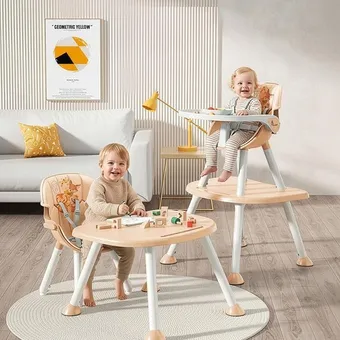
    3. Convertibility A 3-in-1 or 4-in-1 convertible high chair that transitions from a full high chair to a low chair, booster seat, or toddler study table gives you years of use from a single purchase.
    4. Ease of Cleaning Prioritise chairs with a removable, dishwasher-safe tray and machine-washable or wipeable cushion covers. Avoid models with deep crevices where food hides and hardens overnight.
    5. Footprint and Foldability Indian apartments have limited dining space. A compact fold or freestanding fold design saves significant floor space when the chair is not in use.
    6. Safety Certification Look for EN14988 (European standard) or BIS certification. These are independently verified markers of structural safety and material quality not just marketing claims.

    High Chair Buying Checklist

    • 5-point safety harness
    • Anti-tip / anti-skid base
    • BPA-free, non-toxic materials
    • Multiple seat height adjustments
    • Reclinable backrest
    • Adjustable footrest
    • Removable, easy-to-clean tray
    • Washable or wipeable cushion cover
    • Compact fold or small footprint
    • Suitable from 6 months onwards
    • Convertible design for longer use
    • EN14988 / BIS / ASTM safety certification
    • Brand warranty and after-sales support

    7 Best High Chairs for Babies in India (2026)

    1. R for Rabbit Cherry Berry Safari — 3-in-1 Convertible High Chair (6M–7Y)

    R for Rabbit is one of the most trusted baby gear brands in India, and the Cherry Berry Safari is a standout in their lineup. This 3-in-1 chair converts from a standard high chair to a kids’ study table and chair set, meaning one purchase covers your child from the first bite of khichdi all the way through primary school.

    Built from durable PP material with a PU leather cushion, it features a 5-point safety harness, a 3-position adjustable meal tray, and an anti-skid base. The muted beige works well in most home interiors. Excellent long-term value for Indian families who want a chair that truly grows with their child.

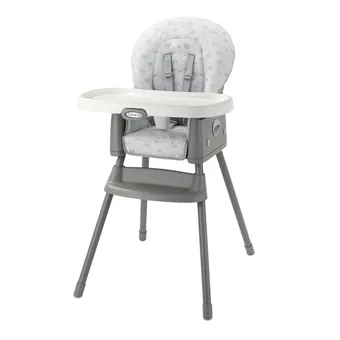
    2. Graco SimpleSwitch High Chair (6M-3Y) 

    Graco has been a globally trusted baby gear brand for decades, and the SimpleSwitch is a masterclass in straightforward design. The 2-in-1 chair converts into a standalone toddler booster seat, the legs detach and store neatly on the seat base, so no parts are ever lost.

    The 3-position reclining backrest supports younger babies during feeding. One-hand tray removal and a machine-washable seat pad make daily use genuinely easy. If you want an internationally tested, no-fuss high chair from a brand that has earned its reputation, the SimpleSwitch delivers.

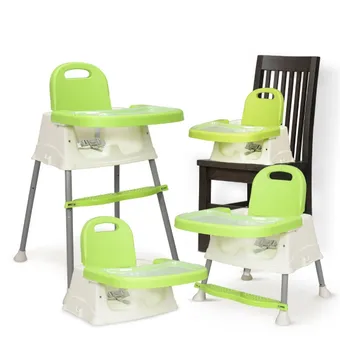
    3. LuvLap 4-in-1 Convertible Baby High Chair with Footrest

    LuvLap is India’s most loved homegrown baby brand, and their 4-in-1 high chair consistently tops bestseller lists. Certified to European safety standards, it converts between four positions: full high chair, low chair, booster on a dining chair, and floor-level booster.

    The dedicated adjustable footrest is a feature many chairs in this price range skip entirely. Metal legs, a removable washable seat cover, and a 3-point harness complete a well-priced, well-built package. For parents buying their first high chair on a realistic budget, LuvLap is the answer.

    4. Miniture Nubo 2-in-1 Grov High Chair (6M–8Y)

    Miniture brings a Scandinavian design sensibility to Indian baby furniture, and the Nubo Grov is their finest expression of that. Clean lines, minimal form, no visual clutter, it is one of the most aesthetically considered high chairs available in India.

    Built from non-toxic HDPE plastic with a wide anti-slip base, the chair works from infancy through 8 years, one of the longest usability windows on this list. The ergonomic seat with rounded edges supports comfortable extended sitting. If your home decor matters as much as function, this is the one.

    5. Joie Mimzy Recline High Chair (0–3Y)

    The Joie Mimzy Recline is the only chair on this list suitable from birth. Five recline positions  including a near-flat position for newborns progress naturally to an upright seated position as your baby develops. Seven height adjustments and three footrest positions mean it fits almost any table height in an Indian home.

    The oversized tray with one-hand release is generous and practical. The freestanding compact fold is genuinely one-handed. For maximum flexibility from day one, this is our top pick.

    6. StarAndDaisy 4-in-1 Comfort High Chair (6M–3Y)

    StarAndDaisy delivers feature-rich baby gear at accessible price points, and this 4-in-1 chair is a strong example. It converts between a high chair, booster seat with wheels, standard chair, and chair at table with a generous 25 kg weight capacity, among the highest in its segment.

    The one-hand adjustable tray offers three depth positions, the tray is dishwasher-safe, and the stain-resistant cushion wipes clean easily. Height-adjustable metal legs with rubber grip feet ensure stability. A practical, hardworking everyday chair.

    7. Chicco Zest Highchair (6M–7Y)

    Chicco is an Italian heritage baby brand trusted across 120 countries, and the Zest is a benchmark in intelligent design. At just 4.5 kg with a compact fold and tray storage built into the rear legs, it is one of the most space-efficient full-size high chairs for babies in India ideal for apartments where every square foot counts.

    The one-piece seat shell is among the easiest to wipe clean of any chair on this list. Certified free from PFAS, BPA, and phthalates. It transitions across four configurations: high chair, low chair, toddler chair, and youth stool up to 7 years. Moon Grey will look as good at year five as it does on day one.

    The right high chair for your baby supports that journey safely, comfortably and without becoming a cleaning nightmare. Every high chair for babies on this list has been picked for a specific reason, whether its space, budget, design or longevity. The best one is simply the one that fits your home, your baby’s age, and your daily routine. Get all 7 delivered in 60 minutes, download the OZi app.

    Frequently Asked Questions

    1. At what age can a baby start using a high chair?

    Most babies are ready for a high chair around 6 months of age. A child must be able to sit up unassisted with good head and neck control before being placed in a chair. For younger infants, certain ‘newborn-ready’ high chairs with reclining seats can be used from birth.

    2. What safety features are essential when buying a high chair?

    The most critical safety feature is a 5-point harness system to prevent the baby from climbing out or sliding down. Additionally, the chair should have a wide, stable base to prevent tipping and a crotch post or ‘T-bar’ beneath the tray to keep the child securely in place.

    3. Are wooden high chairs better than plastic or metal ones?

    Wooden high chairs are often preferred for their aesthetic appeal and long-term durability. However, plastic and metal chairs are typically lighter and easier to clean, as they often feature dishwasher-safe trays and machine-washable seat pads, making them more practical for daily mess.

    4. How long do babies typically stay in a high chair?

    Most children transition out of a traditional high chair between 18 months and 3 years of age. The transition usually happens once the child becomes too heavy for the chair’s weight limit or shows a desire to sit at the table in a booster seat or a standard chair.

  • Postpartum Care Guide: Simple Tips for New Mothers’ Recovery & Well-being

    Postpartum Care Guide: Simple Tips for New Mothers’ Recovery & Well-being

    Bringing a baby home is a joyful milestone, but the ‘fourth trimester’ is also a period of intense physical and emotional change. While your focus is on your newborn, your body needs a structured plan to heal, rest, and replenish its energy. Recovery is a journey that shouldn’t be rushed.

    This guide provides simple, actionable tips to help you navigate postpartum life. From physical healing and nutrition to mental wellness, we’ll cover how to support your recovery so you can feel your best while caring for your new arrival.

    How Long Does Postpartum Recovery Typically Take?

    Full recovery is a marathon, not a sprint. While the initial healing phase occurs in the first 24 hours, most women need at least 6 weeks for their uterus to return to its pre-pregnancy size and for surgical incisions or vaginal tears to heal. Some mothers may require 8–10 weeks or longer, especially after a C-section or a difficult birth.

    What to Expect During Postpartum Physical Recovery

    Physical healing varies depending on your delivery method, but the goal remains the same: managing inflammation and supporting tissue repair.

    • Vaginal Delivery Healing: Use a peri-bottle with lukewarm water after every bathroom visit to prevent infection. Incorporate witch hazel pads and “padsicles” (chilled sanitary pads) to reduce perineal swelling.
    • C-Section Incision Care: Keep the incision site dry and clean. Avoid lifting anything heavier than your baby for the first 4–6 weeks to prevent dehiscence (opening of the wound).
    • Managing Afterpains: Your uterus continues to contract to its pre-pregnancy size. These “afterpains” are often stronger during breastfeeding; heat packs and ibuprofen (if cleared by your doctor) are effective remedies.

    How to Balance Postpartum Nutrition for Healing and Energy

    Your body is in a high-metabolic state of repair. Whether you are breastfeeding or formula feeding, nutrition is the fuel for your recovery.

    • Focus on Protein and Iron: Lean meats, eggs, beans, and leafy greens assist in rebuilding tissues and replenishing blood lost during delivery.
    • Hydration for Recovery: Aim for 8–10 glasses of water daily. Hydration is essential for preventing postpartum constipation and maintaining milk supply.
    • Anti-Inflammatory Foods: Incorporate “warm” foods like bone broths, stews, and ginger-infused teas, which are easier on the digestive system and promote internal healing.

    Postpartum Mental Health: Baby Blues vs. Postpartum Depression

    Hormonal shifts occur rapidly after birth. Understanding the difference between temporary mood swings and clinical conditions is vital.

    • The Baby Blues: Affecting up to 80% of mothers, this typically involves irritability and crying spells that resolve within two weeks.
    • Postpartum Depression (PPD) and Anxiety: If feelings of hopelessness, severe anxiety, or a lack of interest in the baby persist beyond two weeks, professional intervention is necessary.
    • Support Systems: Early screening and therapy are highly effective. There is no shame in seeking help; it is a medical necessity, not a personal failing.

    When Can You Safely Start Postpartum Exercise?

    While ‘six weeks’ is the standard clinical milestone, movement should be a gradual progression rather than a sudden start.

    • Early Movement (Weeks 1-3): Focus on diaphragmatic breathing and gentle walking around the house to promote circulation and prevent blood clots.
    • Pelvic Floor Health: Avoid high-impact exercises (running, jumping) until you have been cleared. Heaviness in the pelvic region is a sign to scale back.
    • Core Connection: Work on gentle transverse abdominal engagement rather than traditional crunches, which can worsen conditions like Diastasis Recti (abdominal separation).

    What Are the Most Important Postpartum Warning Signs?

    Knowing when to seek medical attention is the most critical part of postpartum safety. Contact a healthcare provider immediately if you experience:

    • Heavy Bleeding: Soaking through a menstrual pad in less than one hour.
    • Postpartum Preeclampsia: Severe headaches, vision changes, or sudden swelling in the hands and face.
    • Infection Signs: A fever over 100.4°F (38°C) or foul-smelling discharge.
    • Blood Clot Indicators: Persistent pain, redness, or swelling in a single leg (symptoms of Deep Vein Thrombosis).

    Effective Tips for Getting More Sleep as a New Mother

    Sleep deprivation is the primary driver of postpartum fatigue and mood disorders. While sleeping when the baby sleeps is common advice, these practical strategies are more sustainable:

    • The 4-Hour Shift: Aim for at least one four-hour block of uninterrupted sleep. This can be achieved by having a partner or support person handle one bottle feed or diaper change cycle.
    • Limit Blue Light: Avoid scrolling on your phone during late-night feeds. Blue light disrupts melatonin production, making it harder for you to fall back asleep once the baby is settled.
    • Delegate Non-Essential Tasks: Your priority is rest and recovery. Delegate laundry, cleaning, and meal prep to friends, family, or hired help.

    The postpartum period is a marathon of healing. By focusing on nutrition, monitoring physical red flags, and prioritizing mental health, you set a strong foundation for motherhood. Remember: taking care of yourself is the most important part of taking care of your baby. 

    Frequently Asked Questions

    How long does the postpartum recovery process actually take?
    While the ‘initial’ recovery phase is the first 6 weeks, full healing including hormonal stabilization and muscle restoration can take 6 months to a year. Your body spent nine months growing a human; be patient as it recalibrates.

    2. When is it safe to exercise again?
    Wait for your 6-week checkup before resuming high-impact workouts or heavy lifting. You can usually start gentle walking and pelvic floor exercises (Kegels) within the first week if you have no complications.

    3. Is it ‘Baby Blues’ or Postpartum Depression?
    The ‘Baby Blues’ usually fade within 14 days. If feelings of sadness, anxiety, or a lack of interest in the baby last longer than two weeks, it may be Postpartum Depression (PPD). Seek professional support early it is highly treatable.

    4. Do I need extra calories while recovering?
    If breastfeeding, aim for an extra 450–500 calories daily. Regardless of feeding choice, prioritize protein for tissue repair and drink 8–10 glasses of water to prevent fatigue and constipation.

  • Top 10 Toy Companies in India (2026): The Ultimate Shopping Guide for Parents

    Top 10 Toy Companies in India (2026): The Ultimate Shopping Guide for Parents

    Choosing the right toy in India has become much more than just a quick trip to the store. Today, parents see play as a key part of how a child grows, learns, and discovers the world. This shift in mindset has helped the Indian toy industry grow into a $1.5 billion market where the focus has shifted toward high safety standards, durability, and real educational value.

    Families across the country are now looking for brands that meet global safety standards and offer more than just basic entertainment. From trusted Indian manufacturers to iconic global brands, there is now a massive variety of options designed to help kids develop everything from coordination to problem-solving. Whether it’s a wooden puzzle or a high-tech robot, the focus is now on toys that are durable, safe, and genuinely engaging.

    Top 10 Toy Companies in India

    Here is a look at the top toy companies in India that are leading the way in 2026.

    1. Funskool India Ltd.

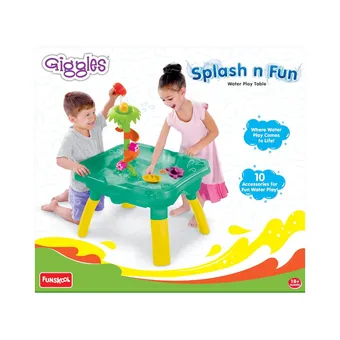
    Owned by the MRF Group, Funskool is the most recognized name in the Indian toy scene. Funskool has built a reputation for creating products that survive the test of time in Indian households. They are the go-to brand for parents who want international quality without the premium import price tag, offering everything from infant teethers to complex family strategy games. 

    • Top Products: Giggles for infants, Handycrafts DIY kits, and Fundough.
    • Best For: A wide variety of safe, affordable toys for all ages.

    2. Hasbro India

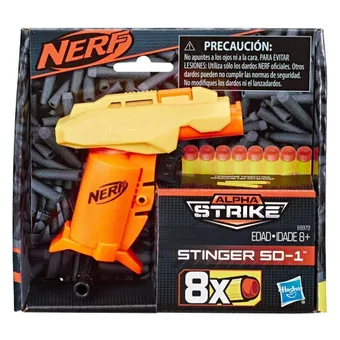
    Hasbro is the powerhouse behind some of the most recognizable movie and TV franchises in the world. Their presence in India has grown massively because they focus on ‘high-energy’ play, toys that get kids off the couch and interacting with their friends through competition and roleplay. 

    • Top Products: Nerf blasters, Transformers, Play-Doh, and Marvel action figures.
    • Best For: Social play, competitive games, and superhero fans.

    3. LEGO India Pvt. Ltd.

    LEGO has become a staple in Indian homes for its ability to keep children (and adults) engaged for hours. The brand is legendary for its ‘system of play,’ where every piece is designed to spark logical thinking and patience, making it a favorite for parents focusing on cognitive development. 

    • Top Products: LEGO City, LEGO Ninjago, and the complex LEGO Technic series.
    • Best For: Creativity, engineering skills, and ‘Kidult’ collectors.

    4. Hamleys (India) Pvt. Ltd.

    Hamleys is synonymous with the ‘magic’ of a toy store, and their branded products carry that same sense of wonder. They focus on the luxury segment of the market, offering toys that feel like special keepsakes rather than just temporary distractions. 

    • Top Products: Iconic Hamleys Teddy Bears, high-speed RC cars, and magic sets.
    • Best For: Luxury gifting and high-quality soft toys.

    5. Mattel India (Barbie & Hot Wheels)

    Mattel remains a titan in India, particularly through its two most famous brands: Barbie and Hot Wheels. From the fashion runways of Barbie to the orange tracks of Hot Wheels, Mattel has defined childhood for generations in India. They are masters of creating ‘aspirational’ play, where kids can imagine themselves as anything from a race car driver to an astrophysicist. 

    • Top Products: Barbie dolls and playsets, Hot Wheels track sets, and Uno card games.
    • Best For: Fashion play and car enthusiasts.

    6. Fisher-Price

    Fisher-Price is often the very first brand a child interacts with. Their products are backed by decades of research into childhood milestones, ensuring that every rattle, walker, and block serves a specific purpose in a baby’s growth journey. As a subsidiary of Mattel, Fisher-Price focuses almost entirely on infants, toddlers, and preschoolers. 

    • Top Products: Laugh & Learn series, Thomas & Friends trains, and Little People playsets.
    • Best For: Baby development, sensory play, and motorized trains.

    7. Skillmatics

    An Indian success story that has gone global, Skillmatics focuses on pre-skill development through high-quality, reusable activity mats and brain-boosting games, proving that learning doesn’t have to be boring. They have reinvented the ‘activity kit’ by making them reusable and highly engaging, focusing on topics that help kids excel in the real world. 

    • Top Products: Guess in 10 card games and Write & Wipe activity mats.
    • Best For: Brain training, travel-friendly games, and classroom learning.

    8. Smartivity Labs

    Smartivity specializes in STEM-based DIY kits. Kids build their own working machines, like hydraulic cranes or catapults, using high-quality wooden parts. Their kits are essentially engineering lessons disguised as toys, teaching concepts like aerodynamics and mechanics through hands-on construction.

    • Top Products: Mechanical DIY Wooden Kits and Augmented Reality (AR) coloring sets.
    • Best For: Budding engineers and hands-on science lovers.

    9. Simba Toys India

    Part of the German Simba Dickie Group, this brand offers a massive range of toys that are famous for their European design sensibilities and durability. Simba brings a refined German design aesthetic to the Indian market. Known for their extreme durability, Simba toys are built to survive rough outdoor play and constant use, making them a favorite for parents looking for long-lasting value.

    • Top Products: Steffi Love dolls, Majorette die-cast cars, and Dickie Toys city vehicles (like fire trucks).
    • Best For: Durable plastic vehicles and fashion doll alternatives.

    10. Shumee

    Perfect for eco-conscious parents, Shumee produces handcrafted wooden toys that are 100% plastic-free and battery-free. By focusing on open-ended play with natural materials, they encourage kids to use their own imagination to drive the fun, rather than relying on flashing lights and sounds. 

    • Top Products: Wooden Rocking Horses, Activity Walkers, and Nesting Dolls.
    • Best For: Environmentally friendly toys and open-ended, sensory play

    Finding the right toy for your child is about more than just a quick purchase; it’s about choosing something that will actually hold their interest while being safe and sturdy. Whether your kid is obsessed with LEGO sets, loves the high-energy action of Hasbro, or you prefer the natural, eco-friendly feel of Shumee, picking a quality brand ensures they are getting the most out of their playtime.   

    Why wait for shipping when you can have the best toys in your hands today? Whether it’s a last-minute birthday present or a reward for a good school report, you can find all these top brands on the OZi App.

    Download now and get your favorite toys delivered to your door in just 60 minutes!

    Frequently Asked Questions

    1. Which are the top-rated toy brands for kids in India?

    The most trusted names include Funskool, LEGO, and Hasbro for a mix of creativity and action. For educational play, brands like Skillmatics and Smartivity are currently the leaders in STEM-based learning and activity kits.

    2. Are toys from Indian brands safe for infants and toddlers?

    Yes, all toys sold in India must now comply with strict BIS (Bureau of Indian Standards) regulations. Top brands like Funskool and Fisher-Price ensure their products are non-toxic, lead-free, and pass rigorous safety tests for children.

    3. Which toy categories are trending in India right now?

    STEM learning kits, sustainable wooden toys, and “Kidult” collectibles (for adults) are the fastest-growing categories. Parents are increasingly shifting toward screen-free play that focuses on logical thinking and motor skill development.

    4. How can I tell if a toy brand is high quality?

    Check for the ISI mark, which is a mandatory safety certification in India. Additionally, look for brands with high replay value—like LEGO or Smartivity—which are built with durable materials that can survive years of active use.

  • Baby Heat Rash: How to Prevent, Treat & Protect Your Baby’s Skin This Summer

    Baby Heat Rash: How to Prevent, Treat & Protect Your Baby’s Skin This Summer

    With the rising temperatures and humidity, summers can be tough on a baby’s delicate skin.  It’s common for them to develop heat rashes, redness or irritation especially in the areas like neck, back and folds of the skin. The tricky part? Babies can’t tell you what’s bothering them. What may look like a small rash can quickly turn into discomfort, making them fussy and restless. The good news is that most heat-related skin issues are preventable with a few simple changes in daily care. 

    From choosing the right clothes to keeping your baby cool and dry, small steps can make a big difference. In this guide, we’ll walk you through what causes heat rashes, how to prevent them, and what actually works to keep your baby comfortable all summer long.

    What Causes Heat Rashes in Babies?

    Heat rash, also known as prickly heat, happens when sweat gets trapped under the skin. Since a baby’s sweat glands are still developing, they can get blocked more easily leading to tiny red bumps, irritation, and itching. There can be common triggers causing summer heat rash in babies.

    • Excessive sweating: Hot weather or overdressing can cause babies to sweat more than usual.
    • Tight or non-breathable clothing: Synthetic fabrics trap heat and moisture.
    • Skin folds trapping moisture: Neck, thighs, and underarms are most prone.
    • Limited airflow: Poor ventilation worsens sweating and irritation.

    Baby skin rashes can usually look like small red of pink bumps with mild swelling or irritation. These are quite common on neck, chest, back and diaper area. Baby diaper rash or heat rash is common in summer as babies cannot regulate body temperature efficiently, making them more sensitive to heat and humidity.

    Choosing the Right Skincare for Summer

    Your baby’s skincare routine should adapt with the season. Summer calls for lighter, breathable, and non-irritating products. Here are some things you need to look for while buying the skincare for your babies in summer.

    • Water-based formulations that don’t clog pores
    • Fragrance-free products to avoid irritation
    • Dermatologically tested for sensitive skin
    • Non-comedogenic creams that allow skin to breathe

    Few things to avoid:

    • Heavy oils and thick creams
    • Products with alcohol or artificial fragrances
    • Over-layering multiple products

    Products That Help Soothe Baby Heat Rashes

    When baby skin rash appears, focus on cooling, calming, and protecting the skin barrier. Few effective options include:

    • Calamine-based lotions: Help reduce redness and itching
    • Aloe vera gels (baby-safe): Provide instant cooling
    • Lightweight baby powders: Absorb excess moisture (use sparingly)
    • Zinc oxide creams: Create a protective barrier

    Lukewarm baths and soft cotton cloth compress are natural remedies that usually help. Avoid experimenting with too many home remedies, especially on sensitive skin.

    Best Fabrics for Summer

    Light, breathable fabrics can make a big difference in keeping your baby comfortable during summer. The right material helps absorb sweat, improves airflow, and reduces the chances of heat rashes.

    Ideal fabrics:

    • Cotton: Breathable, soft, and absorbs sweat
    • Muslin: Lightweight and airy
    • Bamboo fabric: Naturally cooling and gentle

    What to avoid:

    • Polyester and synthetic blends
    • Tight-fitting clothes
    • Layering unnecessarily

    Simple Tips to Prevent Heat Rashes

    Prevention is always easier than treatment. A few small changes in your baby’s daily routine can go a long way in keeping their skin cool, dry, and irritation-free.

    Keep your baby cool: Make sure your baby stays in a well-ventilated environment throughout the day. Use fans or air conditioning to maintain a comfortable temperature, especially during peak summer afternoons. Try to avoid stepping out between 11 AM and 4 PM when the heat is at its strongest.

    Maintain good hygiene: Daily lukewarm baths help remove sweat, dirt, and bacteria that can clog pores. After bathing, gently pat your baby’s skin dry instead of rubbing it, paying extra attention to areas like the neck, underarms, and skin folds where moisture tends to collect.

    Keep the skin dry: Damp skin can quickly lead to irritation. Change your baby’s clothes frequently if they get sweaty, and ensure the diaper area is kept clean and dry. Using lightweight, breathable diapers and giving some diaper-free time can also help prevent rashes.

    Ensure proper hydration: Keeping your baby well-hydrated helps regulate body temperature. For younger babies, regular breastfeeding or formula feeding is usually enough. Older babies can be given small sips of water (as recommended by your pediatrician) to stay cool and comfortable.

    Limit direct sun exposure: Try to keep your baby in shaded or covered areas when outdoors. Use caps, lightweight covers, or stroller shades to protect them from harsh sunlight. Even short periods of direct exposure can make babies uncomfortable in hot weather.

    Use gentle sun protection when needed: For babies older than 6 months, applying a gentle, mineral-based sunscreen on exposed areas like the face, arms, and legs can help protect their sensitive skin. Look for ingredients like zinc oxide or titanium dioxide, which form a protective barrier without causing irritation.

    Keeping your baby’s skin healthy during summer comes down to simple, consistent care. By choosing breathable clothing, maintaining good hygiene, and using gentle, baby-safe products, you can effectively prevent heat rashes and irritation. Stay mindful of your baby’s comfort, and with a few small steps, you can ensure they stay cool, happy, and rash-free all season.

    Frequently Asked Questions

    1. How to reduce heat rash in babies?

    Keep your baby cool, dry, and dressed in breathable fabrics. Use lightweight soothing products like calamine lotion if needed.

    2. What helps heat rash quickly?

    Cooling the skin is key. Lukewarm baths, loose clothing, and applying soothing lotions can provide quick relief.

    3. Is coconut oil good for baby heat rash?

    Not always. While it’s natural, coconut oil can be heavy and may trap heat. It’s better to use lightweight, non-comedogenic products.

    4. What kind of clothing should prevent heat rash?

    Loose-fitting, breathable fabrics like cotton and muslin are ideal. Avoid synthetic materials and tight clothing.

    Summer doesn’t have to mean constant discomfort for your baby. With the right mix of breathable clothing, minimal skincare, and a cool environment, most heat rashes can be prevented entirely.

    The key is to stay simple, stay observant, and respond early. Small changes in daily routines can go a long way in keeping your baby happy, comfortable, and rash-free all summer long.

    Explore everything you need for your baby’s summer care on the Ozi app—delivered right when you need it.

  • Why Sensory Toys Are the Secret to Your Baby’s Brain Growth

    Why Sensory Toys Are the Secret to Your Baby’s Brain Growth

    Every time a baby reaches for a colorful hanging mobile or crinkles a fabric book, something extraordinary happens. Millions of neurons in their brain fire, creating new pathways that form the foundation for all future learning.

    This isn’t just playtime, it’s sensory integration. In the first year of life, babies process the world almost entirely through their senses. Sensory toys for babies are the essential tools that help them make sense of the noise, light, and textures of their new environment.

    What Exactly Are Sensory Toys?

    Sensory toys are designed to engage one or more of the five basic senses; sight, sound, touch, smell, and taste as well as the ‘hidden’ senses like vestibular (balance) and proprioception (body awareness).

    While a traditional toy might just be for entertainment, a sensory toy has a job: to challenge the brain to interpret a physical stimulus.

    4 Benefits of Sensory Play for Infants

    1. Rapid Brain Development

    Babies are born with billions of brain cells, but they lack the ‘wiring’ to connect them. Sensory play acts as the electricity for that wiring. Every new sensation, the coldness of a teething ring or the ‘clack’ of wooden blocks strengthens the neural connections responsible for thought, memory, and language.

    2. Refining Fine and Gross Motor Skills

    Sensory toys encourage babies to use their bodies in new ways.

    • Fine Motor: Grabbing a small tag on a plush toy or poking a soft button.
    • Gross Motor: Reaching for a high-contrast toy during tummy time or crawling toward a rolling ball.

    3. Emotional Regulation and Calming

    Ever wonder why ‘fidget’ toys or soft blankets work so well? Sensory input can be incredibly grounding. Soft textures and gentle, rhythmic sounds (like a rainmaker) can lower a baby’s cortisol levels, helping them transition from a state of fussiness to calm focus.

    4. Language and Cognitive Skills

    Before a baby can say the word ‘rough,’ they must experience the sensation. Sensory play provides the physical context for vocabulary. When caregivers narrate the play, ‘Look at the bright red ball’ the baby begins to link sensory data with verbal labels.

    Choosing the Right Sensory Toy by Age

    0–3 Months: High Contrast and Soft Sounds

    At this stage, vision is blurry and limited to about 8–12 inches.

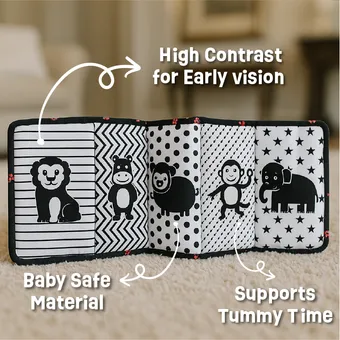
    • Visual: Black-and-white high-contrast cards and mirrors.
    • Auditory: Soft, lightweight rattles and musical mobiles.
    • Goal: Focus, tracking, and early auditory recognition.

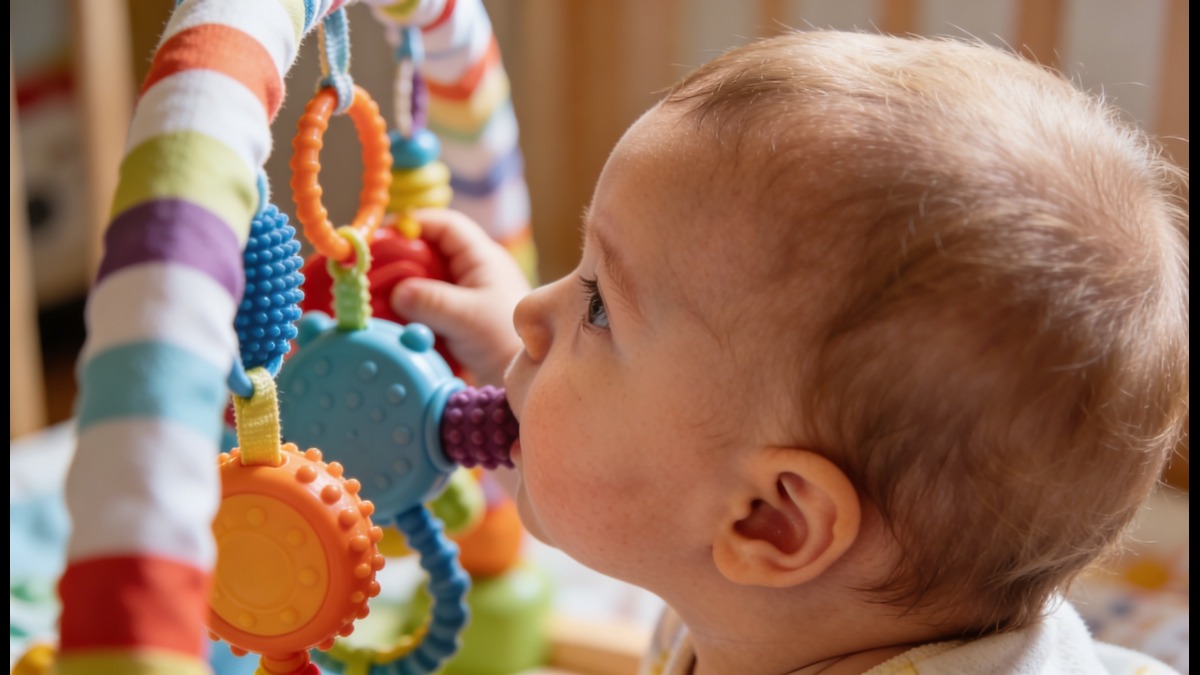
    3–6 Months: Grabbing and Mouthing

    As babies gain hand control, they begin to explore with their mouths.

    • Tactile: Multi-textured teething rings and ‘crinkle’ books.
    • Proprioception: Play mats with dangling toys that encourage reaching and pulling.
    • Goal: Hand-eye coordination and oral exploration.

    6–12 Months: Cause and Effect

    Older infants begin to understand that their actions have results.

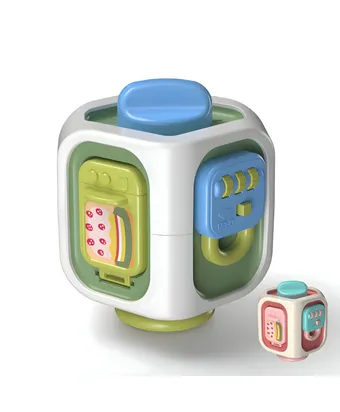
    • Cognitive: Busy boxes with buttons, ‘pop-up’ toys, and stacking cups.
    • Gross Motor: Textured sensory balls that roll away, encouraging crawling.
    • Goal: Problem-solving and spatial awareness.

    Safety Checklist for Sensory Toys

    Since sensory toys often involve diverse materials, safety is the top priority:

    1. Non-Toxic Materials: Ensure all plastics are BPA-free and paints are lead-free (especially for teething toys).
    2. Size Matters: Use the “toilet paper roll” test; if a toy can fit inside the roll, it is a choking hazard.
    3. Durability: Check that small parts like squeakers or “beans” inside plush toys are securely sewn in.

    Frequently Asked Questions

    At what age should sensory play begin?

    Sensory play can begin from birth. For newborns, this includes skin-to-skin contact, singing, and showing high-contrast images. As they grow, more physical toys like rattles and textured balls can be introduced.

    How do sensory toys help with teething?

    Many sensory toys feature varied textures like nubs, ridges, and soft silicone. These provide counter-pressure to sore gums, which distracts the brain from pain while also helping the baby “map” the inside of their mouth.

    Why does a baby put sensory toys in their mouth?

    This is called mouthing. The mouth has more nerve endings than the fingers, making it a baby’s most effective tool for “feeling” whether an object is hard, soft, cold, or textured. It is a vital part of cognitive development.

    What are the best types of sensory toys for newborns?

    For newborns, sensory engagement focuses on high-contrast visual stimuli and gentle auditory input. Black-and-white art cards, unbreakable floor mirrors, and soft-fleece rattles are ideal choices, as they cater to a newborn’s developing eyesight and sensitive hearing without causing overstimulation. 

  • Newborn Sleep Schedule: A Practical Guide to the First 3 Months

    Newborn Sleep Schedule: A Practical Guide to the First 3 Months

    Bringing a newborn home is a whirlwind of joy, laundry, and most notably exhaustion. If you feel like your life currently revolves around a tiny human who thinks 2:00 AM is the perfect time for a party, you aren’t alone.

    In the first 12 weeks, ‘schedule’ is a loose term. However, understanding the science of infant sleep can help you find a rhythm amidst the chaos. This guide breaks down all you need to know about newborn sleep schedule what is biologically normal and how to set the foundation for healthy sleep habits.

    The Reality of Newborn Sleep Patterns

    Newborns typically sleep between 14 and 17 hours within a 24-hour period. However, this sleep is rarely consolidated into long blocks.

    • Frequent Waking: Most infants wake every 2 to 3 hours to feed.
    • Stomach Capacity: At birth, a baby’s stomach is roughly the size of a marble, meaning they require frequent caloric intake to support rapid growth.
    • Sleep Cycles: Unlike adults, newborns spend about 50% of their sleep in REM (active) sleep, which leads to more frequent stirring.

    Why Newborns Lack a Circadian Rhythm

    A schedule is difficult to maintain in the early weeks because newborns are not born with a functioning circadian rhythm (the internal biological clock).

    • Melatonin Production: Infants do not produce their own melatonin, the hormone responsible for sleep regulation until they are 8 to 12 weeks old.
    • Biological Drivers: Until the internal clock matures, sleep is driven entirely by physical needs, specifically hunger, digestion, and exhaustion.
    • Day-Night Confusion: Because the internal clock is absent, many babies experience day-night confusion, where they sleep soundly during the day and become alert during late-night hours.

    Month-by-Month Sleep Breakdown

    Month 1: The Adjustment Phase

    During the first four weeks, the infant is in the “fourth trimester.” Sleep is disorganized and occurs in short bursts around the clock.

    • Total Sleep: 16–18 hours.
    • Wake Windows: 35–60 minutes.
    • Key Challenge: Day-Night Confusion. Many newborns sleep deeply during the bright hours and become highly active at night.
    • The Strategy: Focus on feeding and safe sleep. Keep daytime environments bright and filled with natural household noise, while keeping nighttime dark, quiet, and boring.

    Month 2: Finding a Rhythm

    By week six, many infants begin to show slightly longer stretches of sleep at night, occasionally reaching 3–4 hours at a time.

    • Total Sleep: 14–16 hours.
    • Wake Windows: 60–90 minutes.
    • Key Development: Increased alertness and the appearance of social smiles.
    • The Strategy: Start a simple bedtime routine. A consistent sequence like a bath, pajamas, and a feeding signals to the brain that the long sleep stretch is approaching.

    Month 3: The Turning Point

    At 12 weeks, melatonin production increases. Many babies begin to consolidate sleep into one long stretch at night anywhere from 5 to 7 hours.

    • Total Sleep: 14–15 hours.
    • Wake Windows: 75–120 minutes.
    • Key Development: The 4-month sleep regression may begin early as sleep cycles transition to a more permanent structure.
    • The Strategy: Practice “Drowsy but Awake.” Placing the baby down while calm but not yet fully asleep encourages the early development of self-soothing.

    Understanding Wake Windows

    A wake window is the duration an infant is awake between naps. Missing this window leads to “overtiredness,” which triggers a cortisol spike. This makes it significantly harder for the baby to fall and stay asleep.

    Typical Wake Windows:

    • 0–4 Weeks: 35–60 minutes
    • 4–8 Weeks: 60–90 minutes
    • 8–12 Weeks: 90–120 minutes

    How to Tell if Baby is Tired: Common Sleep Cues

    Don’t wait for your baby to cry to put them down. Crying is a late sign of hunger or tiredness. Look for these early cues:

    • Level 1 (Early): Staring into space, turning away from lights/sounds.
    • Level 2 (Mid): Pulling at ears, rubbing eyes, or yawning.
    • Level 3 (Late): Arching their back, clenching fists, or hysterical crying.

    Important Safety and Strategy Tips
    To ensure your baby sleeps safely and effectively, keep these competitor-proven strategies in mind:

    1. Follow the ABCs of Safe Sleep: Alone, on their Back, in a Crib or bassinet.
    2. Cap Daytime Naps: Most experts recommend not letting a single daytime nap exceed 2 hours. This ensures they get enough calories during the day to sleep longer at night.
    3. The ‘Le Pause’ Method: When your baby whimpers in their sleep, wait 30 seconds before picking them up. Newborns are noisy sleepers and often go through “active sleep” where they move and grunt without actually being awake.
    4. Swaddling: This mimics the womb and prevents the Moro reflex (startle reflex) from waking them up. Note: Stop swaddling as soon as the baby shows signs of rolling.

    Frequently Asked Questions

    When is it appropriate to start sleep training?
    Most pediatricians recommend waiting until the infant is between 4 and 6 months old. Before this age, babies lack the developmental maturity to self-soothe and typically require nighttime feedings for proper growth.

    Why is there so much movement and grunting during newborn sleep?
    This is known as Active Sleep. Newborns spend roughly 50% of their sleep time in REM (Rapid Eye Movement) sleep. It is common for them to twitch, smile, or cry out briefly while remaining technically asleep.

    How is day-night confusion corrected?
    Exposing the infant to natural sunlight for 15 minutes each morning helps set the internal clock. Maintaining a ‘business-only’ approach to nighttime feedings using dim lights and minimal interaction further reinforces that night is for resting.

    How many naps does a 3-month-old typically need?
    At three months, most infants take between 3 and 5 naps per day. The frequency depends on the length of each nap, with the goal of keeping total daytime sleep around 4 to 5 hours.

  • Baby Swaddling in Summer:Dos, Don’ts & Safety Tips

    Baby Swaddling in Summer:Dos, Don’ts & Safety Tips

    Swadding, often recommended as one of the best ways to calm a newborn and improve their sleep quality, but when summer arrives, many parents start to question it. Is baby swaddling in summer safe for babies, or can it lead to overheating?

    And the concern is completely valid. Newborns are more sensitive to temperature changes and cannot regulate heat as effectively as adults. In warmer weather, the risk of overheating makes many parents unsure about whether they should continue swaddling their baby.

    The good news is that swaddling can still be safe during warmer months, as long as it is done correctly. Understanding when to swaddle, what materials to use and how to avoid overheating makes all the difference.

    This blog answers all the questions around swaddling. Is it safe in summer, the benefits, risks and practical tips. Keep reading to know all about it. But before we begin finding out if it’s good for summer or not. Let’s understand what swaddling actually is. 

    H2: What is Swaddling and Why You Should Do it? 

    Swaddling is the practice of wrapping a newborn snugly in a soft cloth or blanket to recreate the secure feeling of the womb. For babies who are adjusting to a completely new environment, this sense of comfort can make a significant difference in their sleep and overall mood.

    Newborns are born with a natural startle reflex (also known as the Moro reflex), which can wake them up suddenly. Swaddling helps reduce these involuntary movements, allowing babies to sleep more peacefully and for longer durations.

    Apart from improving sleep, swaddling also:

    • Provides a sense of safety and comfort
    • Reduces fussiness and crying
    • Helps babies settle faster
    • Supports better sleep routines for parents

    For new parents navigating the early days, swaddling can be one of the simplest yet most effective techniques to soothe a newborn.

    H2: Different Types of Swaddling 

    There isn’t just one way to swaddle a baby. Depending on your baby’s comfort and the weather, you can choose from different styles:

    1. Traditional Swaddle
    This involves wrapping your baby snugly with a cloth blanket, securing the arms while allowing slight leg movement. It’s the most common method.

    2. Arms-Up Swaddle
    Some babies prefer having their hands near their face. This style allows natural movement while still offering comfort.

    3. Sleep Sacks or Swaddle Bags
    These are wearable blankets designed for convenience. They are especially useful for parents who want an easy and consistent swaddling method.

    4. Lightweight Muslin Swaddle
    Perfect for warmer weather, muslin swaddles are breathable and reduce the risk of overheating.

    Choosing the right type depends on your baby’s preference and the surrounding temperature, especially important during summer.

    H2: Is Swaddling Safe in Summer?

    Swaddling in summer is safe,  but only when done carefully. The biggest concern during hot weather is overheating. Babies cannot regulate their body temperature as effectively as adults, which makes them more vulnerable to heat.

    However, swaddling doesn’t need to be avoided entirely in summer. With the right approach such as using breathable fabrics, dressing your baby lightly, and maintaining a comfortable room temperature it can still be a safe and soothing practice.

    The key is balance; comfort without trapping heat.

    H2: Benefits of Swaddling in Summer 

    1. Promotes Better Sleep: Swaddling mimics the snug feeling of the womb, helping babies sleep more soundly even in warmer months when minor discomforts can disrupt rest.

    2. Reduces the Startle Reflex: Babies have a natural Moro (startle) reflex that can wake them suddenly. Swaddling suppresses this, allowing longer, uninterrupted sleep regardless of the season.

    3. Soothes Fussiness & Colic: The gentle pressure of a swaddle can calm an overstimulated or colicky baby, which is especially helpful in summer when heat and new environments may increase irritability.

    4. Regulating Comfort: (Not Just Temperature) Using a lightweight, breathable fabric like muslin or bamboo allows swaddling in summer without overheating, while still providing the emotional security and comfort babies need.

    5. Supports Safe Sleep: Positioning Swaddling keeps a baby’s arms tucked safely, reducing the chance of rolling or repositioning during sleep — an important safety benefit that applies year-round.

    Summer Tip: Always use thin, breathable fabrics, keep the room at 24–26°C, and ensure the baby’s head remains uncovered to prevent overheating.

    H2: How to Swaddle a Baby in Summer (Step-by-Step)

    Learning how to swaddle a newborn correctly is especially important during summer to avoid overheating. Follow these simple steps:

    Step 1: Choose the Right Fabric:  Use a lightweight, breathable cloth like cotton or muslin.

    Step 2: Lay the Swaddle Flat: Spread the cloth in a diamond shape and fold the top corner down slightly.

    Step 3: Position Your Baby: Place your baby on their back with shoulders just below the folded edge.

    Step 4: Wrap One Side: Gently bring one side of the cloth across your baby’s body and tuck it under.

    Step 5: Fold the Bottom Loosely: Bring the bottom up but ensure there is enough room for leg movement.

    Step 6: Wrap the Other Side: Wrap the remaining side across and tuck it securely.

    Important Tip: Keep the swaddle snug around the arms but loose around the hips to allow natural movement and airflow.

    H2: Do’s & Don’ts for Swaddling in Summer 

    Do’s

    1. Use Lightweight, Breathable Fabric Opt for muslin, cotton, or bamboo wraps that allow airflow and prevent heat build-up around the baby.

    2. Keep the Room Cool Maintain room temperature between 24–26°C and use a fan or air conditioning to ensure a comfortable sleep environment.

    3. Dress Baby Minimally Underneath A light onesie or just a diaper under the swaddle is enough. Avoid layering heavy clothing beneath the wrap.

    4. Check for Overheating Regularly Feel the baby’s neck or chest (not hands/feet) to gauge body temperature. Warm, sweaty skin or flushed cheeks are warning signs.

    5. Swaddle Snugly but Not Too Tight Wrap firmly enough to feel secure, but ensure there’s room for the hips and legs to move freely to prevent hip dysplasia.

    6. Always Place Baby on Their Back: Swaddled babies should always be laid on their back to reduce the risk of SIDS.

    Don’ts

    1. Don’t Use Thick or Fleece Blankets Heavy fabrics trap heat and significantly raise the risk of overheating in summer.

    2. Don’t Cover the Baby’s Head The head is a key area for heat release — always keep it uncovered while swaddling.

    3. Don’t Swaddle Once Baby Can Roll Over As soon as a baby shows signs of rolling (usually around 2–3 months), swaddling becomes a safety risk.

    4. Don’t Swaddle Too Loosely A loose swaddle can unravel and become a suffocation hazard during sleep.

    5. Don’t Ignore Signs of Discomfort Excessive crying, rapid breathing, or a very red face may signal the baby is too hot unwrap immediately and cool them down.

    6. Don’t Swaddle for Extended Periods During the Day Give the baby regular breaks from swaddling during daytime to allow free movement and natural development.

    H2: Tips to Swaddle Your Baby in Summer 

    To make swaddling safer and more comfortable during warmer months, keep these practical tips in mind:

    1. Choose the Right Time to Swaddle
    Swaddle your baby mainly during sleep rather than throughout the day.

    2. Use Minimal Layers
    If the weather is very hot, you can skip inner clothing and use just a light swaddle.

    3. Keep the Sleeping Area Cool
    Ensure proper ventilation and avoid direct sunlight in the baby’s room.

    4. Watch for Baby’s Signals
    Every baby is different if your baby seems uncomfortable, adjust accordingly.

    5. Consider Alternatives When Needed
    If temperatures are extremely high, opt for lightweight sleep sacks or breathable babywear instead of traditional swaddling.

    6. Stay Flexible
    Swaddling isn’t mandatory. If your baby sleeps comfortably without it during summer, that’s completely fine.

    Frequently Asked Questions

    1. How to swaddle babies in summer?

    Use a single layer of lightweight muslin fabric and keep the legs loose. Always ensure the neck and face are uncovered and check the back of the neck for overheating.

    1. Which fabric is best for swaddling in summer?

    Muslin cotton is the best choice, breathable, lightweight, and gentle on baby’s skin. Bamboo fabric is a good alternative for babies with sensitive skin. 

    1. When should I stop swaddling my baby?

    Stop swaddling as soon as your baby shows signs of rolling over, typically between 2 and 4 months. Continuing after this point is a safety risk.

    1. Can I use a fan or air conditioner in my baby’s room?

    Yes, both are safe as long as the airflow is not directed at your baby. Keep the room temperature between 24–26°C and dress your baby in a single light layer.

    1. What are some easy swaddling techniques for summer?

    The diamond swaddle and arms-out swaddle are the easiest for summer,  both use minimal fabric and keep your baby cool. The arms-out technique works especially well once your baby starts rolling.